
Hair treatment: what are the signs of poor scalp health?
The health of your scalp and the appearance of your hair are closely linked. The condition of your scalp can be an indicator of your overall health . Common symptoms such as itching, dandruff, and excess oil can signal underlying problems. Hair loss can even progress to alopecia, a condition frequently linked to stress. In all cases, addressing these issues and taking appropriate action can help prevent more serious problems.
On this page, we will explore all the signs specific to poor scalp health.
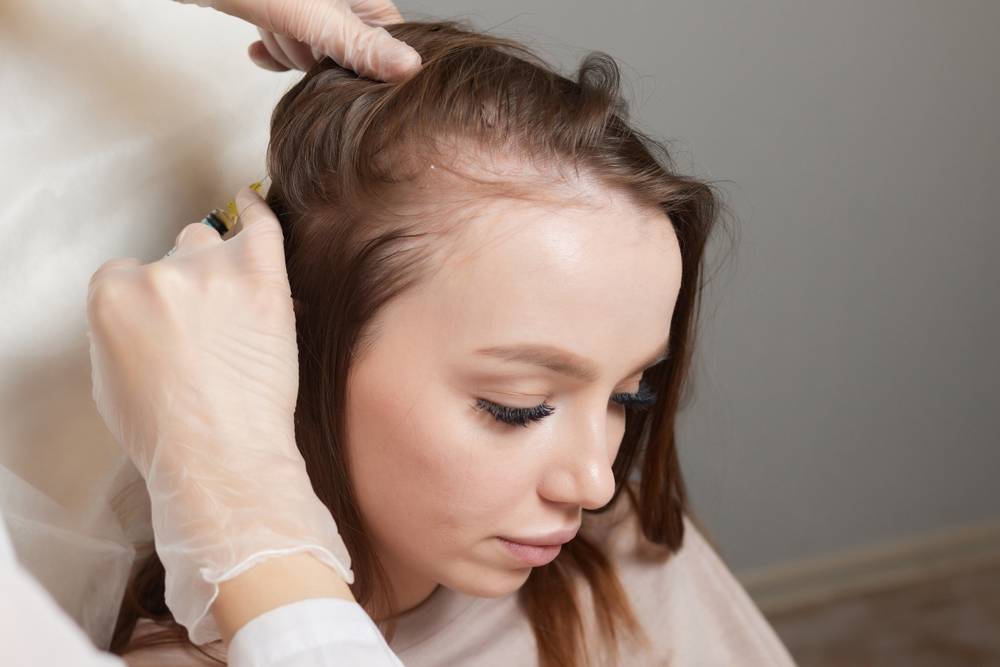
Hair treatment: common signs of a dry scalp
Dry scalp problems are common and can impact the health and appearance of hair. These symptoms are usually the result of underlying causes that require special attention and specific care.
A dry scalp is often accompanied by itching and dandruff , which can cause ongoing discomfort. The causes of this problem vary from person to person, ranging from the use of unsuitable hair products, such as certain shampoos, to various nutritional deficiencies. Factors such as a poor diet or excessive stress can also influence the scalp's reaction.
Insufficient sebum production can also contribute to scalp dryness . Sebum is essential for maintaining scalp health, and an imbalance in its regulation can lead to unpleasant symptoms.
Note that insufficient hydration and deficiencies in essential vitamins can worsen dryness .
Treatment for hair and oily hair: the signs
Excess sebum, which leads to oily hair, is a common concern for many people and can often be an indicator of underlying scalp health issues. Understanding the signs and causes of this condition is essential for choosing the right treatment and promoting healthy, shiny hair.
In general, oily hair is primarily caused by an overproduction of sebum , a natural oil produced by the sebaceous glands to protect the skin and hair. However, excessive production leads to problems such as hair loss, alopecia, and seborrheic dermatitis .
Several factors contribute to this overproduction of sebum. These causes include a diet high in fats and oils, the use of inappropriate hair products such as certain shampoos, or even stress. While symptoms can vary , hair loss and an itchy scalp are among the most common signs.
Treating oily hair generally requires a comprehensive approach. Choosing the right shampoo is crucial, and personalized advice from a doctor or hair health specialist can help you find the product best suited to your needs. Paying close attention to your diet , including adequate water intake and essential vitamins, also helps regulate sebum production.
For people suffering from seborrheic dermatitis, a skin condition associated with oily hair, specific treatments and targeted care may be necessary.
Symptoms of a dandruff-prone scalp for appropriate hair treatment
Dandruff is a common and often annoying symptom that can impact scalp health. These white flakes visible in the hair are not simply a cosmetic concern, but also an indicator of an underlying condition requiring appropriate treatment.
Dandruff is usually caused by dry scalp or a medical condition called seborrheic dermatitis. Common signs include itching, redness, and irritation of the scalp, as well as the presence of white or yellowish flakes in the hair and on clothing. Dry skin, excess oil, and certain hair products can worsen these symptoms.
Dandruff treatment often begins with the use of a medicated shampoo specifically formulated for this condition. These products contain ingredients such as zinc pyrithione or selenium sulfide, which help manage the dandruff. The choice of product should also be tailored to the type and severity of the dandruff. A hair care professional or dermatologist can provide personalized recommendations.
Diet also plays a vital role in scalp health. A diet rich in vitamins, particularly B and D, can contribute to scalp well-being. Furthermore, adequate hydration is always beneficial for the health of both skin and scalp.
Be aware that dandruff can also be caused by fungal infections, such as ringworm. In these cases, treatment may require medication prescribed by a doctor. Similarly, stress can worsen dandruff. Therefore, learning to manage stress, through relaxation techniques for example, can be part of a comprehensive treatment approach.
Hair treatment: recognizing scalp itching and irritation
Itchy, irritated scalps are common concerns affecting both men and women. They can signal various underlying conditions requiring appropriate care. Understanding the causes and symptoms is the first step toward healthy, beautiful hair.
Recognizing the symptoms
Itching and irritation are often accompanied by redness, dry skin, and sometimes even scalp inflammation . The intensity of the symptoms can vary. They may be intermittent or constant.
Identify the causes
Several factors can contribute to these symptoms. Seborrheic dermatitis, a skin condition that affects oily areas like the scalp, can cause itching and dandruff. Other possible causes include reactions to certain hair products , a diet deficient in essential vitamins and nutrients, or a fungal infection such as ringworm.
Treatments and care
Treatment depends on the underlying cause. If the symptoms are related to hair products, switching to alternatives specifically designed for sensitive scalps may alleviate discomfort. Shampoos containing ingredients like tea tree oil are also helpful.
In case of infection or skin disorder, it is important to consult a doctor or dermatologist for an accurate diagnosis and appropriate medical treatment.
Prevention and advice
Maintaining a healthy scalp requires a proper care routine. Using gentle products, adopting a diet rich in vitamins and minerals, and avoiding excessive exposure to stressors , such as heat, all contribute to preventing scalp problems.
Link with hair loss
Prolonged itching and irritation can lead to hair loss and potentially the onset of baldness if left untreated. That's why it's essential to recognize the signs and act quickly.
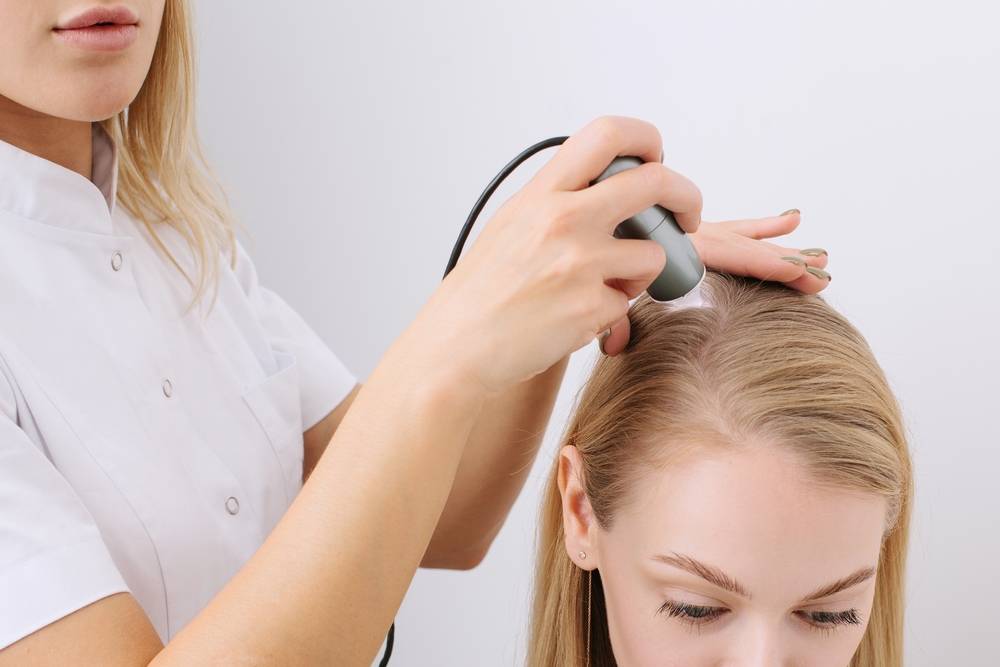
Treatment of sensitive or reactive hair and scalp: the signs
A sensitive or reactive scalp is a problem that can affect the health and appearance of the hair, sometimes requiring special care and treatment. This condition manifests itself through various signs and symptoms indicating an unusual reaction to normally tolerated stimuli.
Understanding the sensitive or reactive scalp
A sensitive scalp reacts excessively to various factors, including hair products, climate changes , and even diet. This can lead to a feeling of tightness, itching, redness, and sometimes even inflammation.
Signs of a sensitive or reactive scalp
In the case of a sensitive or reactive scalp, intense itching persists and is not related to an identifiable skin condition. Redness and irritation often occur after the use of conventional hair products. Dryness or excess sebum may develop, leading to dry or oily hair. Temperature variations also trigger an increased reaction, particularly in very cold or very hot weather .
Causes of scalp sensitivity
The causes of a sensitive scalp are numerous and range from the incorrect use of products to underlying health conditions such as dermatitis. Sometimes, stress and an unbalanced diet, lacking in essential vitamins and nutrients, also contribute to this condition.
Treatments and care for sensitive or reactive scalps
To begin with, it seems wise to opt for hair products specifically designed for sensitive scalps, free from harsh perfumes or dyes . It is also crucial to consult a doctor or dermatologist if symptoms persist, in order to rule out any underlying medical conditions and consider treatment if necessary. A balanced diet rich in vitamins, adequate hydration, and good hair care habits (avoiding, for example, aggravating factors such as heated styling tools and chemical treatments) can help alleviate symptoms.
Detecting the first signs of serious hair problems
Early detection of the first signs of serious hair and scalp problems is crucial for prompt intervention and effective treatment. Hair is not merely an aesthetic element; it reflects the overall health of the body. Therefore, certain symptoms can indicate serious conditions requiring medical attention.
Alopecia, or hair loss, is often more than just a consequence of aging. Excessive hair loss can be a sign of underlying health problems, especially when the hair loss is patchy or widespread. Possible causes include anxiety, thyroid disorders, vitamin deficiencies, or even a fungal infection such as ringworm.
Dandruff isn't just a cosmetic issue; it can also be a sign of seborrheic dermatitis . Typical symptoms include persistent dandruff accompanied by redness and itching. Possible causes include reactions to certain hair care products, unsuitable shampoos, or a sebum imbalance .
Dry, brittle hair can also indicate a scalp lacking nutrients and moisture. This manifests as hair that breaks easily and lacks shine. Possible causes include vitamin deficiencies, a poor diet, and excessive use of hair products containing alcohol.
Unexplained changes in hair texture or color can of course indicate other causes, such as chronic diseases or deficiencies .
We recommend these other pages:


