
Hair treatment: common signs of a dry scalp
Many people experience the common problem of a dry scalp , which manifests as itching, dandruff, and a feeling of discomfort in the head . These symptoms can result from various underlying issues, such as seborrheic dermatitis, eczema, or even a head lice infestation. To effectively treat a dry scalp, it is essential to understand its causes, which may be related to environmental factors (water quality) or hair-related problems (excessive sebum production).
The use of unsuitable hair products , particularly harsh shampoos, can also worsen scalp dryness. Children are not immune to this problem either, especially due to eczema, which is very common in this age group.
On this page, we will examine in depth the telltale signs of a dry scalp and the advice to follow to prevent it.
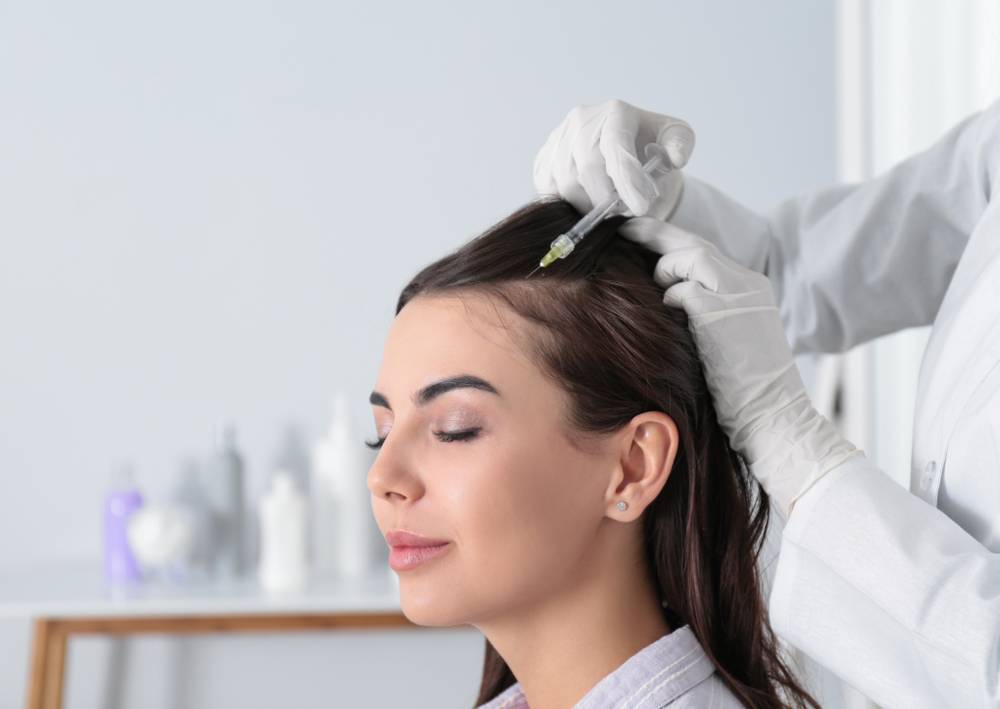
The underlying causes of a dry scalp
Dry scalp can stem from various underlying causes that disrupt the area's natural moisture balance. These factors include insufficient sebum production , impaired skin barrier function, and adverse environmental elements.
Inadequate sebum production, the natural oil produced by the sebaceous glands under the skin, is one of the main causes of dry scalp. Sebum plays a crucial role in moisturizing the skin and hair. Insufficient production can result from genetic, hormonal, or age-related factors, leading to a breakdown in the regulation of skin hydration .
Damage to the skin barrier is another major cause of scalp dryness. This barrier, composed of lipids, acts as a protective shield against moisture loss. However, when this barrier is compromised, scalp hydration can also be affected, leading to dryness and its associated symptoms.
In addition to these biological factors, environmental and lifestyle elements can contribute to scalp dryness. A dry climate, excessive sun exposure, and repeated use of harsh hair products can disrupt the scalp's natural moisture balance. The sun's ultraviolet rays can degrade proteins in the hair and scalp, while excessive use of harsh shampoos can strip away the natural oils necessary for hydration.
The obvious signs of a dry scalp
A dry scalp manifests itself through several characteristic signs that cause discomfort and irritation. These include persistent itching, flaking and dandruff, as well as a feeling of tightness and discomfort .
Persistent itching is one of the most common signs of a dry scalp. This itchy sensation is primarily due to moisture loss and skin irritation associated with dryness. According to some dermatological research, a decrease in the scalp's water content can cause the top layer of skin to thicken, which then triggers itching .
Flaking and dandruff are also common indicators of a dry scalp. When the scalp lacks sufficient moisture , the outer layer of skin can flake off in small particles, causing visible dandruff. It's worth noting that this type of dandruff can differ from that associated with other hair conditions .
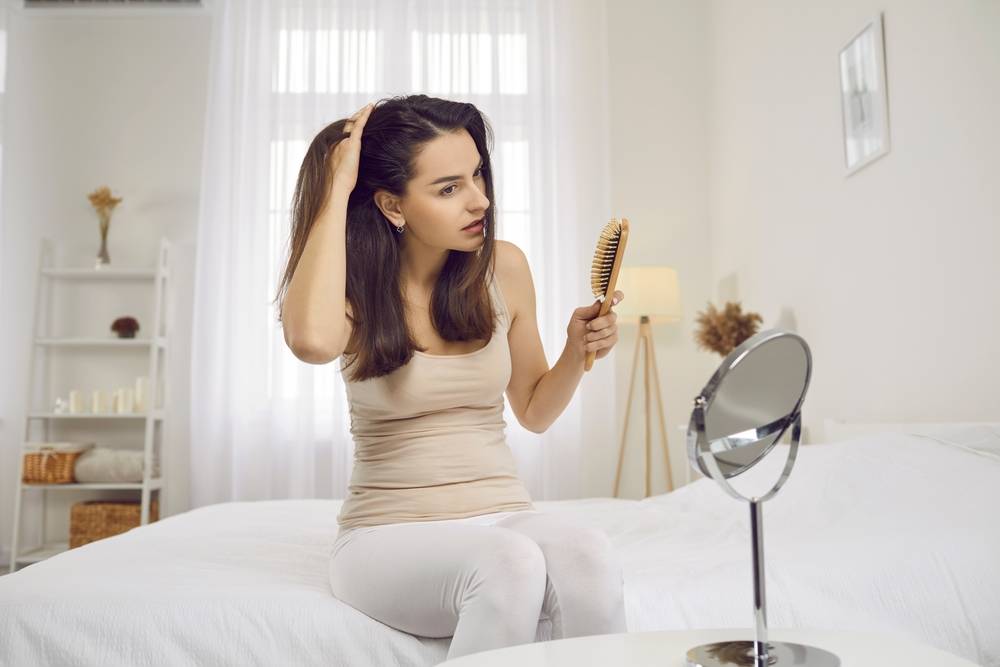
Preventing and treating dry scalp
Preventing and treating dry scalp relies on approaches that restore moisture and strengthen the skin barrier . Several measures can be taken to maintain a healthy scalp and avoid the symptoms of dryness.
Choosing the right hair products plays a crucial role in preventing scalp dryness. Opting for shampoos and conditioners formulated with moisturizing agents, such as aloe vera, glycerin, or argan oil, can help retain moisture. Dermatologists also emphasize the importance of choosing products free of harsh sulfates, which can strip the scalp of its natural oils.
Regular hydration is, of course, a key element in preventing dry scalp. It's well established that drinking enough water promotes overall hydration of the skin and scalp. Furthermore, applying natural oils, such as coconut oil or sweet almond oil, helps maintain skin elasticity.
Scalp care also plays a crucial role in preventing and treating dryness. Gentle scalp massages stimulate blood circulation, which can boost oxygen supply to the hair follicles. It's also advisable to limit the use of harsh appliances , such as hair dryers, especially when used at high temperatures, or thermal styling tools. Indeed, it's important to keep in mind that excessive heat can also contribute to scalp dryness.
We recommend these other pages:


