
Hair treatment: recognizing scalp itching and irritation
Itchy, irritated scalps are common problems affecting a wide range of people. These symptoms can stem from various causes, from unsuitable hair products, such as certain shampoos and oils, to underlying health conditions like seborrheic eczema and psoriasis. The itchy sensation can also often trigger scalp inflammation, exacerbating dryness and leading to dandruff and flakes.
For many people, these issues are more than just a minor inconvenience; they also affect their quality of life . Fortunately, by choosing the right products and treatments, it's entirely possible to restore the health of your hair and scalp. On this page, we provide practical advice and detailed information on available solutions.
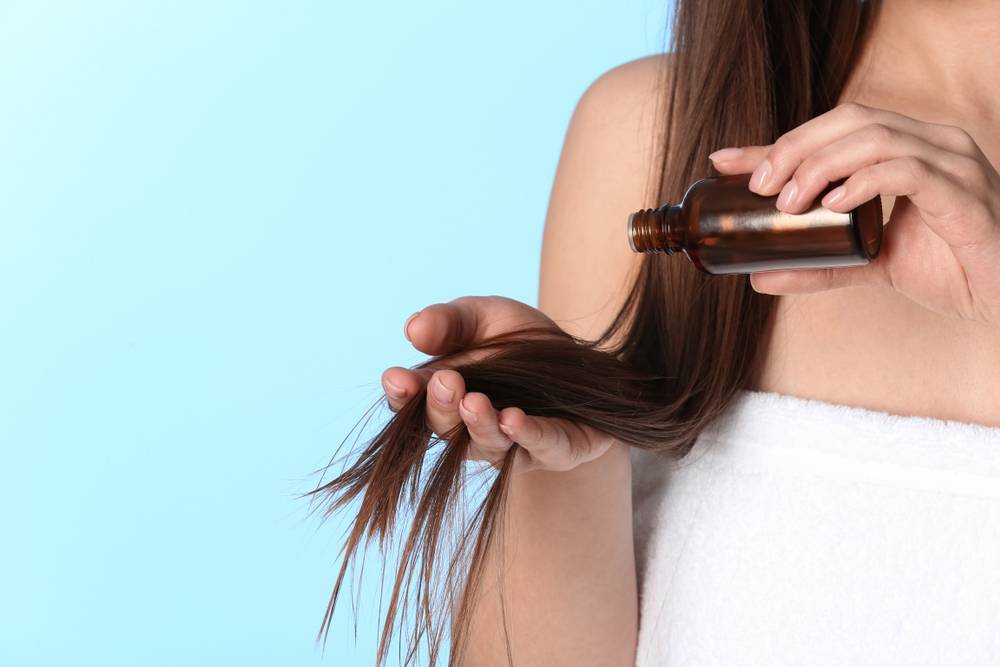
Understanding the causes of itching and irritation
To achieve effective treatment and care for itchy and irritated scalps, it is crucial to thoroughly understand the underlying causes of this unpleasant condition. These can be grouped into two main areas: external and internal factors.
External factors
External causes are primarily related to the products we use on our hair and scalp. Some shampoos and oils contain ingredients that can irritate the skin, especially the scalp. For example, products with high levels of alcohol or artificial fragrances can increase dryness . Furthermore, excessive use of these products or exposure to excessively hot water during washing contributes to scalp dehydration and irritation.
Internal factors
Internal causes are often linked to an individual's overall health . Conditions such as seborrheic dermatitis, atopic eczema, and psoriasis can lead to patches on the scalp. These conditions are also generally associated with an imbalance of sebum , a natural oil produced by the skin. However, a proper sebum balance is necessary for scalp health. Excess sebum can therefore trigger the formation of dandruff and cause itching .
Furthermore, problems like hair loss increase scalp sensitivity and contribute to irritation. Therefore, it is crucial to choose appropriate hair treatments and seek expert advice to alleviate these conditions.
Recognizing the symptoms of scalp irritation
Recognizing the symptoms of itchy, irritated scalps is crucial for finding the right treatment and relieving discomfort. The link between these signs and their causes can be complex, but a thorough understanding of these signals will guide you toward the necessary care.
Itchy scalp
Often, an itchy scalp is the first sign of a scalp health problem . This can be attributed to the use of unsuitable products, such as shampoos or oils containing irritating ingredients, or even to conditions like seborrheic eczema.
Dryness and dandruff
Dry scalp can lead to dandruff and flakes . Insufficient sebum production or the use of harsh shampoos that strip natural oils are often the cause of this dryness.
Redness and inflammation
Scalp inflammation is also frequently associated with conditions such as dermatitis or psoriasis. These red patches can cause discomfort on the scalp, requiring a medical consultation to determine the appropriate treatment.
Hair loss
More significant than usual hair loss or thinning is linked to scalp irritation or infection . Seeking medical advice to identify the underlying factors remains crucial.
Burning sensation
An intense burning sensation may indicate an allergic reaction to hair products, whether shampoos, oils or masks, or even more serious conditions such as atopic dermatitis .
Choosing gentle hair care products for the scalp and hair can often alleviate these symptoms. However, if these signs persist, consulting a qualified healthcare professional is essential. They will be able to make an accurate diagnosis and guide you toward the most appropriate treatment for your situation.

Treatments and solutions for itchy and irritated scalp
Itchy, irritated scalps can be a constant source of concern, but there are a range of treatments and solutions available to manage and soothe these conditions. Choosing the right treatment will depend on the underlying cause, whether it's related to hair product use or other health issues. Here's an overview of different approaches to addressing these problems.
Treatments for product-related problems
If you experience itching and irritation due to the hair products you use, several measures can help provide relief.
Choosing a gentle shampoo specifically formulated for sensitive scalps can significantly reduce itching. It is therefore recommended to choose shampoos free of sulfates or alcohols, as these ingredients tend to worsen skin irritation.
Natural oils such as coconut oil can also be beneficial for moisturizing the scalp , reducing dryness, and alleviating dandruff. Those containing anti-inflammatory compounds can also help soothe symptoms.
Treatments for scalp health problems
If your itching and irritation are related to underlying health problems, several treatment options are available.
In cases of conditions such as psoriasis or seborrheic eczema , it is advisable to consult a healthcare professional. A doctor may prescribe specific treatments such as steroid creams or antifungal shampoos to provide relief.
Sometimes, an inadequate diet can also contribute to an itchy scalp. Working with a healthcare professional to adjust your diet will likely have a positive impact on your scalp health.
Managing sebum imbalances
If you are experiencing sebum imbalances, here are some steps to consider.
Avoid washing your hair too frequently with harsh shampoos, as this can disrupt the natural sebum balance . Opt for gentler hair products and reduce how often you wash your hair to restore this balance.
Also, favor the use of lukewarm water rather than hot water to wash your hair, as the latter can worsen dryness of the scalp.
We recommend these other pages:


