Hair treatment: what are the main causes of scalp problems?
The health of our hair and scalp is an often underestimated indicator of our overall well-being. Indeed, the scalp is an integral part of our skin and, as such, can suffer from conditions such as psoriasis, ringworm, or dandruff. This can lead to hair loss, triggered by stress or hormonal imbalances. This is particularly true of androgenetic alopecia, which affects a large number of men and women. The growth phase of the hair follicle, essential for the hair cycle, can be disrupted by illnesses, medications, or even unsuitable hair products .
Whether it's alopecia due to a scalp disorder, alopecia areata, or signs of an underlying disease, learning to decode the symptoms affecting our hair and scalp is essential. On this page, we'll explore the main causes of hair problems and solutions for restoring healthy hair.
Hair treatment: what are the external factors affecting scalp health?
The health of our scalp is the foundation of healthy, thick hair. Therefore, hair loss, whether in men or women, is often a symptom of a scalp disorder. Several external factors can affect scalp health and influence hair growth.
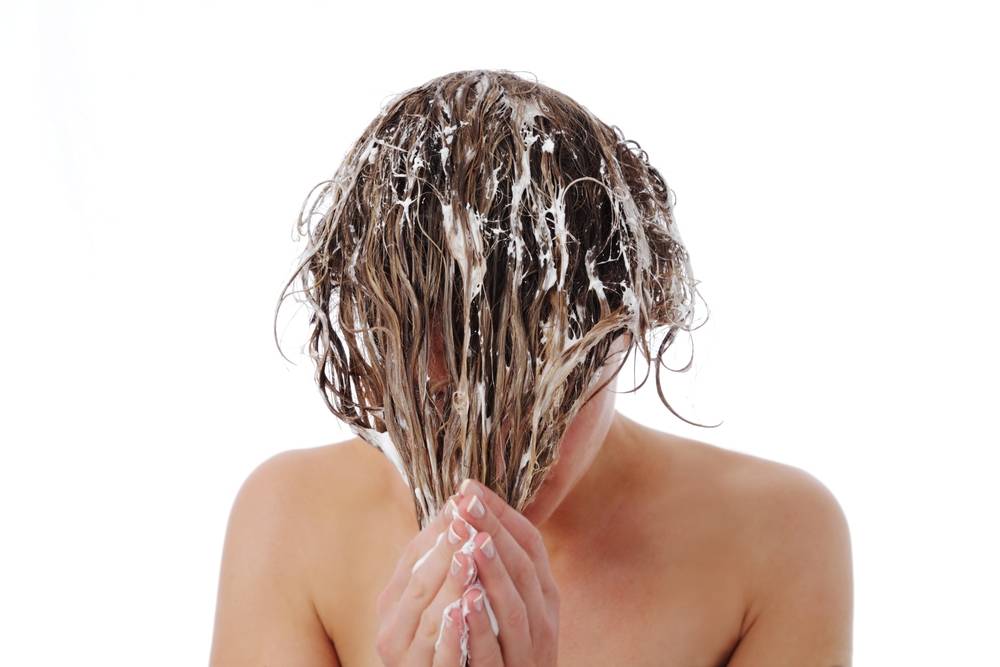
Exposure to unsuitable hair products is already one of the main causes of scalp problems. Indeed, excessive or inappropriate use of certain products can lead to itching, dandruff, or even, in some cases, a condition like psoriasis, characterized by plaques on the skin.
The environment also plays a significant role. Pollution, for example, can accumulate on the scalp, hindering hair follicles and thus disrupting the natural hair growth cycle. This accumulation then leads to an early telogen phase, causing premature hair loss.
Stress, omnipresent in our modern lives, is also a recognized culprit. Beyond its effects on the body, it can lead to telogen effluvium alopecia, a disorder where larger quantities of hair enter their shedding phase, resulting in a noticeable decrease in hair density.
Furthermore, it is essential to mention diseases like ringworm, which, although less common, are external conditions that directly affect scalp health. This fungal infection directly attacks the hair follicles, disrupting normal hair growth .
Finally, drug treatments can also have side effects on hair growth. Some medications, while beneficial for other symptoms or illnesses, can cause hair loss, hence the importance of consulting a specialist to learn how to prevent or treat these effects.
Hair treatment: the impact of stress on the scalp
Stress, whether emotional, physical, or psychological, is an often underestimated factor in hair loss. Its impact on the scalp and, by extension, on hair growth is a reality experienced by many men and women. To understand this relationship, it is essential to examine the underlying mechanisms.
Firstly, stress can cause telogen effluvium alopecia. In this condition, an increased number of hairs prematurely enter the telogen phase, the resting phase of the hair growth cycle , leading to noticeable hair loss. This often occurs a few months after a stressful event, such as a serious illness, surgery, or emotional trauma.
Another stress-related disorder is alopecia areata, an autoimmune disease that leads to the formation of round bald patches on the scalp. Although its exact causes are not fully understood, specialists believe that stress can trigger or worsen this condition in some people.
Chronic and prolonged stress can also disrupt the body's hormonal balance . These hormonal imbalances then hinder the ability of hair follicles to produce new hair, leading to weakened growth. Furthermore, the scalp can become more sensitive and irritated under the influence of stress, to the point of causing itching and dandruff.
Hormonal imbalance on scalp and hair health
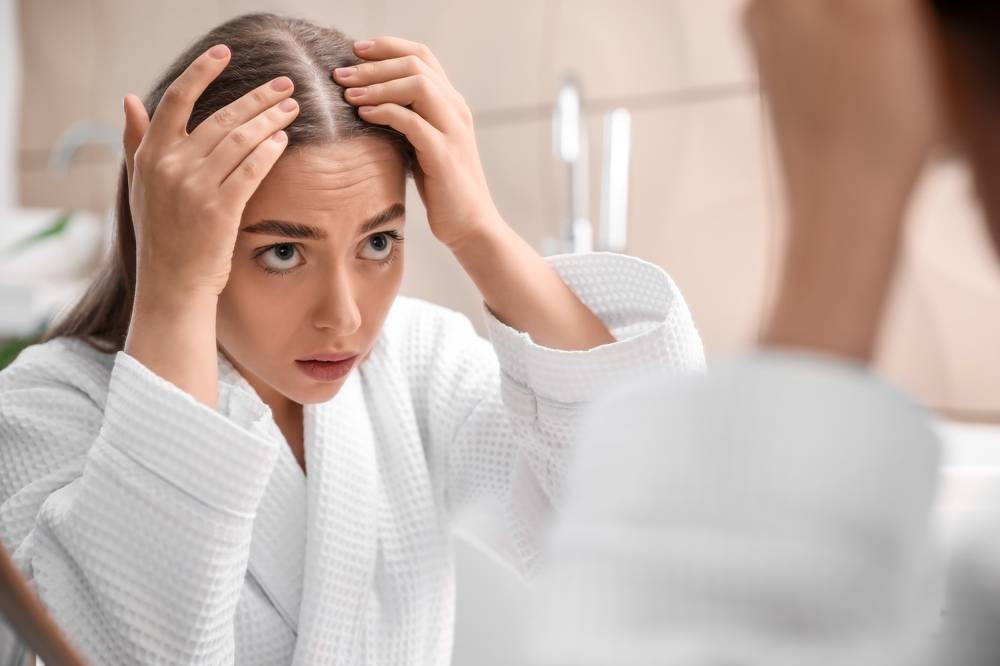
Hormones play a vital role in our overall health, including that of our scalp and hair. Hormonal imbalances are among the main causes that affect hair growth and lead to various scalp disorders.
Androgenetic alopecia , commonly known as male or female pattern baldness, is directly linked to hormones. In men, this form of alopecia is caused by increased sensitivity of hair follicles to dihydrotestosterone (DHT), a hormone derived from testosterone. In women, although the exact causes are not fully understood, a hormonal imbalance, particularly around menopause, is often implicated.
Women can also experience hair problems during and after pregnancy. Hormonal fluctuations during this time can lead to temporary hair loss. Fortunately, this hair loss is reversible, and hair usually resumes its normal growth cycle a few months after childbirth.
Thyroid disorders, such as hyperthyroidism or hypothyroidism, can also cause scalp problems. Symptoms vary, ranging from hair loss to altered hair texture or an itchy scalp.
The scalp is also susceptible to hormonal imbalances. Psoriasis, although primarily a skin condition, can manifest on the scalp as red patches covered with silvery scales . Hormonal fluctuations, particularly during puberty, pregnancy, or menopause, can exacerbate this condition.
Hair treatment and medical conditions: the impact on the scalp
Although some diseases may seem to have no direct connection to the hair, they can have significant consequences for scalp health and hair quality. The body is indeed a complex system, and a simple disturbance in one specific area can manifest unexpectedly elsewhere.
Thyroid disorders , for example, can lead to hair loss. After all, the thyroid gland regulates hormones essential for several bodily functions, including hair growth. An imbalance, whether it's hypothyroidism or hyperthyroidism, can disrupt the hair growth cycle, resulting in premature shedding or alopecia.
Autoimmune diseases, such as lupus, also affect the scalp. In this case, the body's immune system attacks its own cells, including those of the hair follicles, causing hair loss.
Diabetes, a disease that affects the body's ability to regulate blood sugar , is also a factor. Insufficient blood flow can prevent follicles from receiving the necessary nutrients, thus hindering hair growth.
Other conditions, such as psoriasis, cause inflammatory plaques that appear on the scalp and make hair care or styling painful and difficult.
Medications prescribed to treat various illnesses can also have significant side effects on hair. For example, chemotherapy, used to treat cancer, attacks rapidly growing cells, including hair follicle cells, which most often leads to temporary hair loss.
Hair treatment: common mistakes that are harmful to scalp health
Hair is more than just an aesthetic asset; it reflects the overall health of our body and, in particular, the health of our scalp. While many people constantly seek solutions to improve the quality and growth of their hair, some common practices can be harmful to the scalp .
One of the most common mistakes is the overuse of hair products containing harsh chemicals. These products can disrupt the scalp's natural balance, causing itching, dandruff, or even signs of inflammation. Furthermore, bleaching or permanent straightening can also weaken the hair follicle, increasing the risk of hair loss or alopecia.
Excessive use of heat, whether from hair dryers or straighteners/curling irons, is another common cause of damage. Excessive heat eventually damages the protein structure of the hair, making it brittle and prone to breakage.
Furthermore, neglecting basic hair care can lead to scalp conditions such as psoriasis or ringworm. Conversely, washing your hair too frequently or with unsuitable products can dehydrate the scalp, disrupting the natural hair growth cycle.
We recommend these other pages: