
Hair treatment and scalp irritation: the guide
In the world of beauty and wellness, hair plays a central role . When we talk about hair health, we're not just referring to the hair fiber itself, but also to the scalp, the skin covering our skull, which is just as crucial. Indeed, an irritated scalp can cause persistent itching, dandruff, and even hair loss. Many factors can irritate this area of our body : using water that's too hot when shampooing, an unbalanced diet, or using unsuitable hair products.
This guide offers key advice to help you understand the causes of these problems and provides a suitable hair care routine to effectively treat them. From natural ingredients like oil or aloe vera, to recommendations on using gentle shampoos, and advice on the importance of consulting a doctor if you have seborrheic dermatitis, we'll cover all these topics throughout this page.
Scalp irritation: what you need to know to avoid it?
Hair reflects our inner well-being. However, the foundation of all healthy hair lies in a healthy scalp. Irritation of this area, often hidden beneath a thick head of hair, can cause itching, dandruff, and even hair loss. But how can we avoid these problems ?
One of the main culprits is, surprisingly, the ritual most of us follow every week or every day: shampooing. The water temperature, often too high, can irritate the delicate skin of the scalp . Furthermore, although the purpose of shampoo is to cleanse, some harsh ingredients found in lower-quality products can strip away natural sebum , leaving the scalp dry and prone to various irritations. Hair treatments, such as masks and oils, can also affect its condition if their ingredients aren't suited to your skin or hair type.
Diet, often overlooked, also plays a crucial role in the health of our scalp. An unbalanced diet can disrupt sebum production, leaving the scalp either too dry or too oily. Furthermore, specific deficiencies can lead to problems such as seborrheic dermatitis or ringworm, which exacerbate itching and irritation .
What are the common causes of scalp irritation?
Scalp irritation, often characterized by itching or dandruff, is a concern for many people. Understanding the underlying causes is essential for maintaining healthy hair.
First, one of the main contributing factors is the improper or excessive use of hair products . Some shampoos and conditioners, especially those containing harsh ingredients, can strip away the scalp's natural sebum. This imbalance leaves the scalp vulnerable, leading to dryness and irritation. Furthermore, hot water, often used during shampooing, can exacerbate this dryness.
Conversely, excess sebum is also a major cause of irritation. If the scalp produces too much sebum, it can lead to conditions such as seborrheic dermatitis . This condition manifests as oily skin covered with thick flakes accompanied by itching.
As we saw earlier, diet plays an undeniable role in the health of our hair and scalp. A deficiency in essential nutrients or an unbalanced diet can affect skin health, leading to irritation. For example, a low intake of omega-3 fatty acids is likely to make the scalp more prone to itching.
Finally, environmental factors, such as sun, pollution, and dry air , also affect the health of our scalp. It is therefore crucial to adopt a hair care routine tailored to your hair and scalp type.
What are the symptoms of scalp irritation?
One of the most common symptoms of scalp irritation is itching. This itching, sometimes unbearable, can be the result of an unsuitable hair care product, an overly harsh shampoo, or even washing with water that is too hot. It is also crucial to note that constant scratching can worsen the irritation , thus increasing the risk of infection.
Dandruff is another common indicator of scalp irritation. These white or yellowish flakes, visible at the base of the hair, can be dry or oily. They are often associated with conditions like seborrheic dermatitis, which affects the skin by causing an overproduction of sebum.
Redness and inflammation are also signs of irritation. If the scalp becomes red, inflamed, or develops small bumps , this could indicate an allergic reaction to a product, or a more serious condition such as ringworm or psoriasis.
A burning or tingling sensation on the scalp is also a symptom that should not be ignored. This can be due to a reaction to products containing irritating ingredients or to excessive sun exposure without adequate protection.
Hair loss, also known as alopecia, can be a sign of irritation or an underlying condition. While many factors can contribute to hair loss, severe irritation or inflammation of the scalp can disrupt the natural hair growth cycle .
What are some natural ingredients to soothe scalp irritations?
Faced with itchy, irritated scalps, many people turn to natural solutions to restore a healthy scalp. These ingredients can be incorporated into your hair care routine for effective relief.
Aloe vera is a must-have when it comes to soothing skin. Its cool, moisturizing gel calms inflammation and reduces itching . Applied directly to the scalp or added to your shampoo, it provides gentle and regenerating care.
Essential oils, while they should be used with caution, also offer soothing properties for the scalp. Lavender, tea tree, or chamomile oils can be blended with a carrier oil, such as jojoba or coconut oil , for a relaxing scalp massage. This is an ideal treatment for combating dandruff and excess sebum.
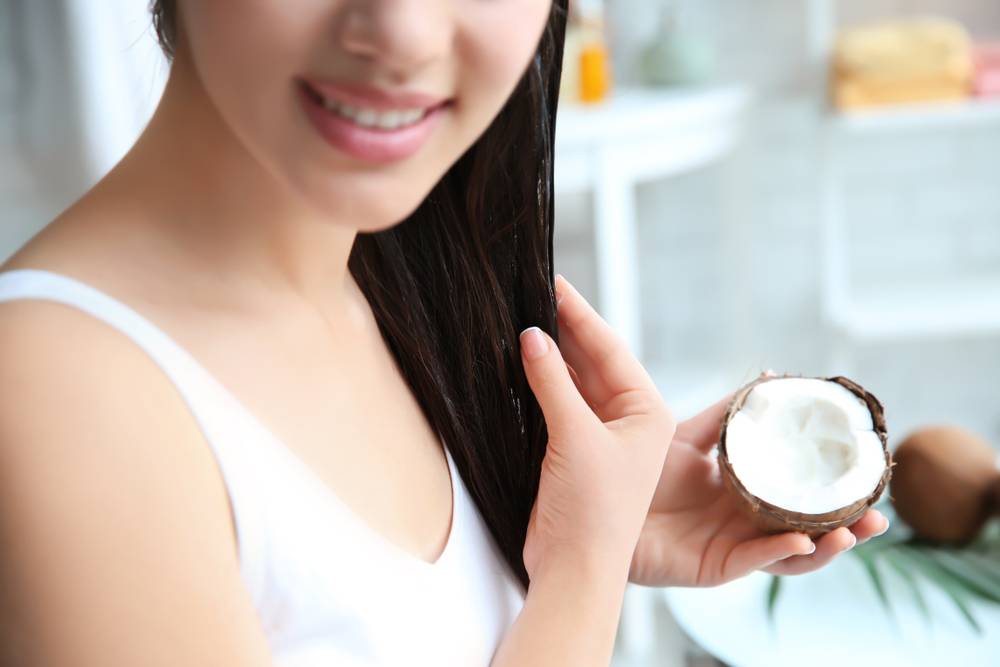
Coconut oil, rich in fatty acids, nourishes the hair fiber while soothing itching. It forms a protective barrier on the skin, retaining moisture and preventing dryness .
Apple cider vinegar, although acidic, can help rebalance the scalp's pH. Diluted with water, it can be used as a rinse after shampooing to combat dandruff and product buildup.
Finally, honey, naturally antibacterial and moisturizing, is a gentle solution for treating irritations. It mixes perfectly with a hair mask or can be diluted in warm water for a revitalizing treatment.
Scalp irritation: what hair treatments are recommended?
Itchy, irritated scalps can quickly become bothersome, affecting not only our well-being but also the health of our hair. Fortunately, there is a wide range of hair treatments that can provide effective relief.
Medicated shampoos are often the first line of defense. Specifically formulated to treat conditions like seborrheic dermatitis or ringworm, they contain ingredients that target the underlying causes of itching . These shampoos are generally designed to balance sebum production and combat bacteria or fungi that can irritate the scalp.
Topical treatments, such as gels or oils containing aloe vera, can be applied directly to the scalp to soothe inflammation. These products then address dryness and strengthen the skin's protective barrier .
For people suffering from dandruff or seborrheic dermatitis, treatments containing antifungal or anti-inflammatory agents may be prescribed. These treatments precisely target the irritants and restore the scalp's balance.
In some cases, irritations can be linked to an allergic reaction to certain products or ingredients. It is therefore essential to keep a record of the products used and consider an allergy test if necessary. Opting for gentle shampoos and conditioners , free of sulfates or parabens, also makes all the difference.
Diet also plays a crucial role in scalp health. A balanced diet, rich in vitamins and minerals, can strengthen the hair fiber and reduce the risk of irritation.
Finally, it is essential to consult a doctor or dermatologist if symptoms persist or worsen despite treatment. These specialists can offer tailored advice and prescribe more specific treatments based on individual needs.
We recommend these other pages:


