
Hair treatment and hydration: what are the benefits for the scalp?
In our quest for radiant hair, hair hydration is a fundamental step. All hair types have an intrinsic need for water and oils to maintain their shine and strength. At the heart of this process is the scalp, which requires equally meticulous care. Indeed, a neglected scalp can lead to problems such as itching, dandruff, or dry hair.
On this page, we will explore the benefits of hydration for the scalp and how it influences the overall health of our hair .
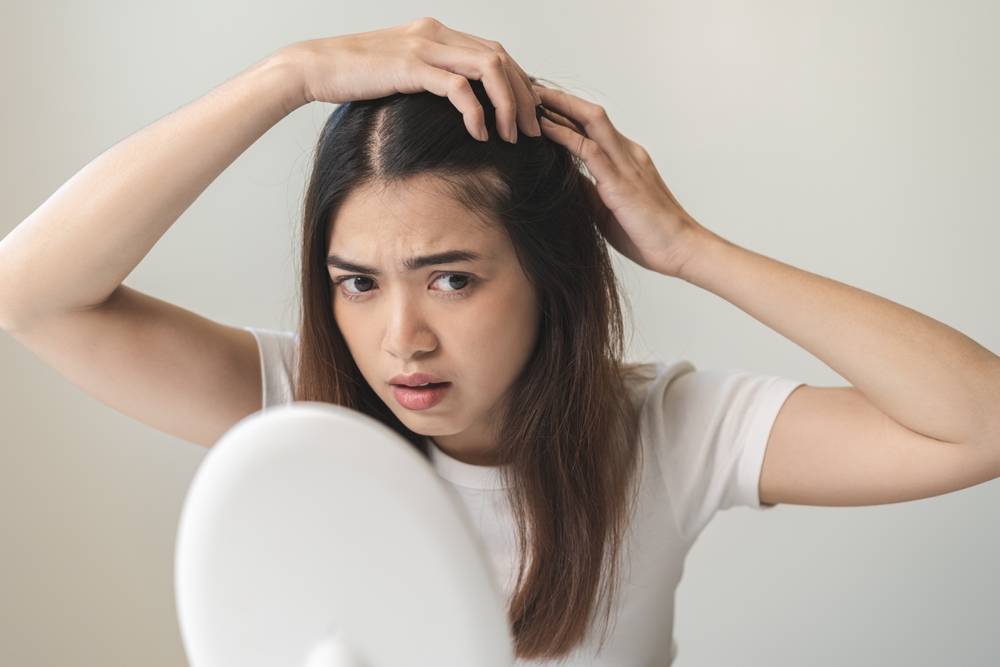
Understanding scalp anatomy and the importance of hydration
Understanding the deep anatomy of the scalp is essential to grasping the importance of hydration in hair care. Indeed, just as our skin needs water and oils to stay healthy, the scalp also requires adequate hydration.
Sebum, a natural oil produced by our sebaceous glands, is essential for maintaining scalp and hair hydration . It protects the hair fiber, especially the lengths and ends, from external aggressors. However, an imbalance, whether due to overproduction or underproduction, can cause problems such as itching, dandruff, or dry hair.
Curls, for example, tend to be naturally drier than other hair types because sebum has more difficulty traveling along the twisted hair shaft. As a result, hydration becomes even more crucial. Natural ingredients like aloe vera, known for its moisturizing properties, or plant oils such as olive oil, can be incorporated into shampoos, masks, or creams to deeply hydrate the hair and scalp.
Signs of a dehydrated scalp
A dehydrated scalp exhibits several telltale signs which, if recognized early, can guide you towards appropriate care to restore healthy hair. First, one of the most common signs is a feeling of tightness in the skin , similar to that felt on the body after prolonged sun exposure without adequate hydration.
Itching, often persistent, can also indicate a lack of hydration. It can be exacerbated by the use of unsuitable hair products or those containing harsh ingredients. In more advanced cases, dandruff—those small, whitish particles visible on the surface of the scalp and hair—may appear. Contrary to popular belief, dandruff is not always linked to excess sebum , but can also be a symptom of an overly dry scalp.
The hair itself reflects this state of dehydration. Dull hair, dry and brittle ends, or less defined curls can all be the result of a lack of water and oil in the scalp. This affects the hair fiber from root to tip.
To remedy this, it's essential to use moisturizing products, such as shampoos made with aloe vera, honey, or plant oils. These natural ingredients have well-known benefits for deeply hydrating and nourishing the scalp. Using avocado masks or creams enriched with shea butter can also help combat dryness and restore the hair's natural moisture.
The different types of moisturizing treatments for hair and scalp
Moisturizing shampoos and conditioners are essential products for any hair hydration routine. Enriched with ingredients like aloe vera, they cleanse while infusing the hair fiber with a dose of moisture. The benefits of aloe vera, known for its hydrating properties, are amplified when combined with other natural ingredients , such as honey, which adds a layer of nourishment to the hair.
For a deeper treatment, masks made with plant-based oils, such as olive or avocado oil, are recommended. These products penetrate the hair shaft, deeply hydrating and nourishing the scalp, providing relief from itching and preventing dandruff.
Curly hair, on the other hand, can benefit from gels or sprays enriched with moisturizing ingredients. These products, often water-based, with oils and butters like shea butter, redefine curls while maintaining optimal hydration to prevent dryness.
Finally, for those with particularly dry hair, especially at the ends and lengths, the use of pure oils or moisturizing creams is essential. These treatments, applied in small amounts, seal in moisture and prevent dryness or breakage .
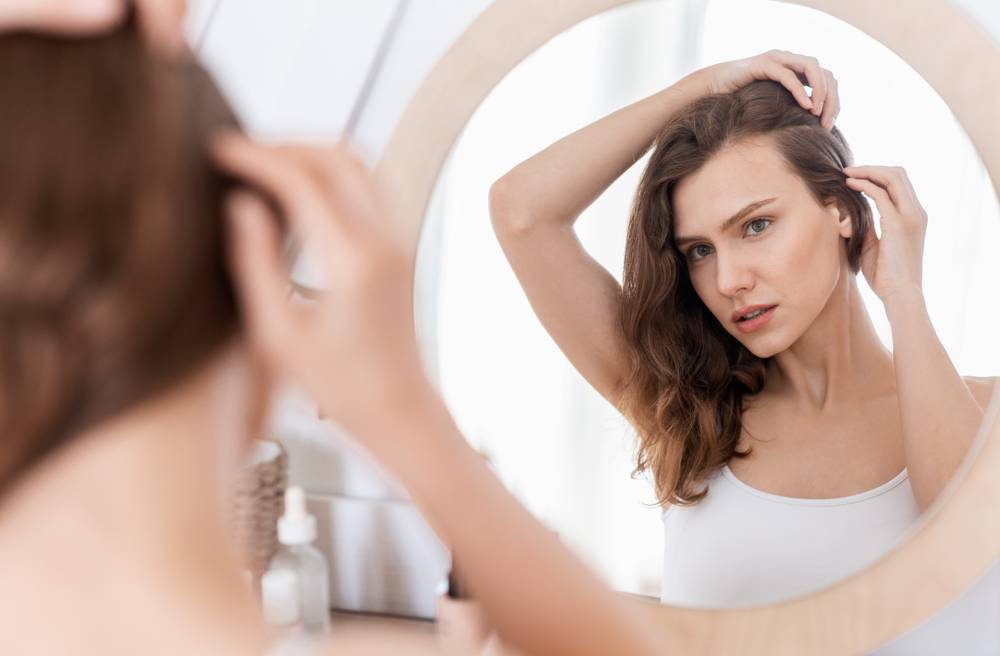
Good hydration practices for a healthy scalp
Hair hydration is essential for maintaining radiant hair and a healthy scalp. However, it's not simply a matter of applying a product to your hair. Adopting good practices is crucial to maximizing the benefits of moisturizing treatments.
First, choosing a shampoo and conditioner suited to your hair type is essential. For those with dry hair, opting for products rich in moisturizing ingredients such as aloe vera, honey, olive, or avocado can be beneficial. These natural components provide deep hydration while nourishing the hair fiber.
Water intake should also not be neglected. Rinsing your hair with lukewarm water rather than hot water will help retain the scalp's natural moisture, thus reducing the risk of itching and dandruff.
Regular application of moisturizing masks, water- and oil-based sprays, and gels is recommended for curly and frizzy hair, which tends to be drier. These products, in addition to hydrating, redefine curls, thus offering a dual benefit.
As for applying oils and creams, it is recommended to do so on the lengths and ends of the hair, areas often prone to dryness. Massaging the scalp with plant-based oils also has numerous benefits. It stimulates sebum production, which is particularly important for naturally moisturizing the scalp.
Finally, protecting your hair from external aggressors is crucial. A satin bonnet for sleeping or a protective spray before exposing your hair to the sun are practices that can be beneficial for maintaining optimal hydration.
We recommend these other pages:
- What are the different hair types for which treatment is appropriate?
- How to choose a hair treatment that is suitable for your scalp type?
- Hair treatment: what are the benefits of specific shampoos and conditioners?
- How to use masks for a deep hair treatment?
- Why include hair oils in your hair treatment routine?
- Hair care: how to adapt washing to scalp type?
- How important is pH balance for hair treatment?


