
Treatment for oily hair: what ingredients for a healthy scalp?
Hair can be a source of frustration for many people. Whether it's dry or oily, numerous solutions exist . Regarding oily hair, while some hair care products on the market promise to eliminate excess sebum, understanding the nature of the scalp is essential for effectively treating the problem. Many factors can explain the presence of excess sebum at the roots.
Therefore, before rushing to buy the first shampoo or mask available, it's wise to look into the underlying causes and adopt a suitable treatment . On this page, we'll explore the reasons why hair becomes oily, as well as the natural ingredients that can help regulate sebum production.

Treatment for oily hair: why does hair become oily?
First, it is important to recognize that sebum production is a natural phenomenon. It plays an essential role in the health of the scalp and hair.
Role of sebum
Sebum is an oil produced by the sebaceous glands in the skin. It naturally coats the surface of our skin and scalp, providing protection against external aggressors and maintaining optimal hydration. When produced in normal quantities, sebum gives hair a shiny and healthy appearance. However, excessive production can lead to the undesirable effect of oily hair .
Contributing factors
Several factors can influence sebum production. Hormonal fluctuations, particularly during puberty or due to certain medications, can increase oil production. Similarly, an unsuitable hair care routine, such as the excessive use of harsh shampoos, can irritate the scalp and stimulate increased sebum production.
Stress, an unbalanced diet, and certain health problems can also be triggering factors. Inappropriate or overly frequent shampooing can also disrupt the scalp's balance . It is therefore important to adopt a suitable hair care routine to avoid worsening the situation.
Recognizing the symptoms
In addition to the oily appearance of the roots, an oily scalp can also be accompanied by itching, dandruff, or even irritation. If these symptoms are present, it is crucial to review not only the products used, but also the frequency of washing and application techniques. An unsuitable brush or excessively hot water during rinsing can also contribute to excess sebum.
Importance of pH
The pH of the scalp plays a crucial role in its health. A pH imbalance can disrupt the skin's protective barrier, which can increase sebum production. Regular use of alkaline shampoos, for example, can disrupt this balance, leading to an irritated scalp and excessive sebum production . Therefore, it is essential to ensure that the hair products used are neutral.
The benefits of a clay-based treatment for oily hair
Clay has long been used in various skin and hair care products due to its exceptional properties. It is a natural ingredient that offers numerous benefits , particularly for oily hair.
Clay, a natural purifier
Clay is particularly effective at absorbing excess oil and impurities from the scalp. It acts like a magnet, attracting dirt and excess sebum, thus allowing for deep cleansing without irritation. This deep cleansing prevents sebaceous gland blockages, reducing the risk of itching and irritation.
Regulates sebum production and has a soothing effect
Regular use of clay can help regulate sebum production. By removing excess oil, clay signals to the sebaceous glands that it is not necessary to produce an excessive amount of sebum, thus promoting a healthy scalp balance.
Clay also has calming properties , which can be beneficial in cases of scalp inflammation or irritation. It helps soothe the skin, leaving it soft and refreshed.
How to use clay in your hair care routine
A clay mask can be incorporated into your weekly routine. Mix clay powder with water or aloe vera until you get a thick paste . Apply the mixture to your scalp and leave it on for a few minutes before rinsing thoroughly.
The purifying ingredients in a treatment for oily hair
While clay is a key ingredient for treating oily hair, it's not the only option available. Other natural ingredients can also help treat and prevent excess sebum.
Vinegar
Vinegar, especially apple cider vinegar, is known for its balancing properties . It helps restore the scalp's natural pH, preventing excess sebum production. Furthermore, it can also help clarify the hair, removing product buildup that can cause itching.
Aloe vera
Aloe vera is a natural moisturizer that can help balance oil production while soothing the scalp. It is especially beneficial for those with both oily roots and dry ends.
Products based on natural acids
Natural acids, such as those found in certain fruits, can help gently exfoliate the scalp, removing dead skin cells that can contribute to clogged sebaceous glands. These acids also help balance sebum production.
Use of these ingredients
Incorporating these ingredients into your hair care routine doesn't require major changes. They can be used in the form of natural shampoos, masks, or even rinses. For example, a vinegar rinse after shampooing can help balance pH and clarify hair .
In short, there are a multitude of natural ingredients that, when used correctly, can transform the health of your scalp and the texture of your hair. Clay, vinegar, aloe vera, and natural acids are all excellent allies in the fight against oily hair.
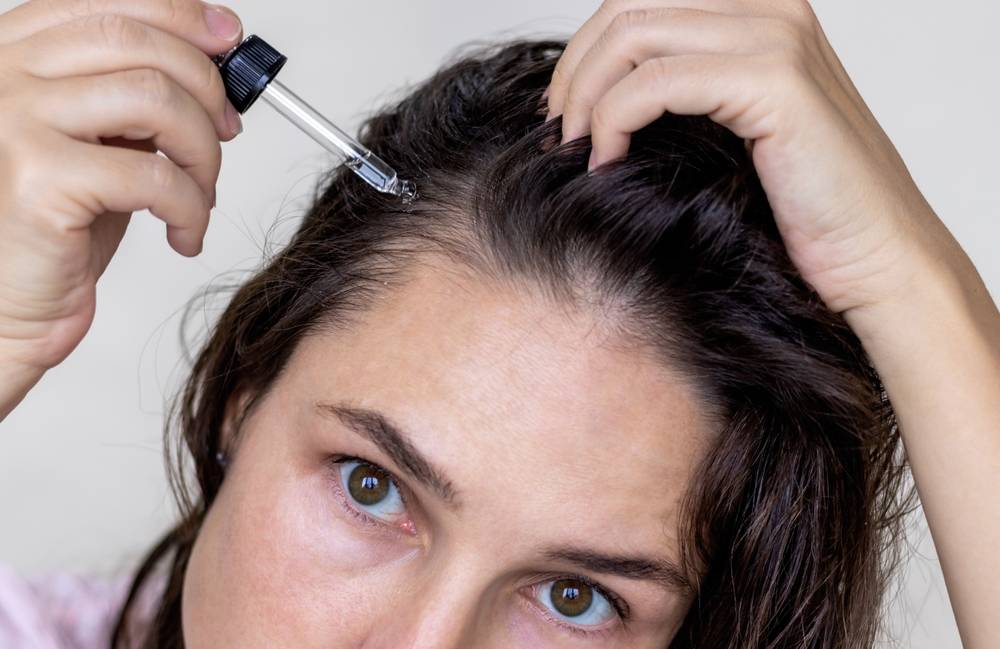
Light, moisturizing plant oils in a treatment for oily hair
Although it may seem paradoxical, using plant-based oils can be beneficial for oily hair. It is crucial, however, to choose lightweight oils that moisturize without weighing hair down or clogging the follicles.
Role of vegetable oils
Contrary to what one might think, not all oils are created equal. Some oils are lighter and penetrate the scalp quickly, moisturizing without leaving any residue . These oils can help balance sebum production by nourishing the scalp and preventing dryness.
The best oils for an oily scalp
There are several oils that are particularly well-suited for oily hair. Among them are lightweight oils that don't weigh down the scalp. Jojoba and hazelnut oils , for example, have a molecular structure similar to that of human sebum, allowing them to naturally regulate oil production.
How do I use these oils?
It's not necessary to apply large quantities of these oils to benefit from their effects. A small amount, gently massaged into the scalp, can be enough. They can also be mixed into homemade masks or gentle shampoos for enhanced care.
Precautions to take
However, it is essential to rinse these oils thoroughly after application to prevent buildup. Using a natural bristle brush to evenly distribute the oil along the entire length of the hair is also recommended.
Treatment for oily hair and gentle surfactants to regulate sebum production
Shampoos are the first product most people think of when it comes to treating oily hair. However, not all shampoos are created equal. The key lies in choosing the right surfactants , which are the ingredients responsible for creating lather and cleansing the hair.
What is a surfactant and how do you choose one?
Surfactants are molecules that have the ability to bind to both water and oil, thus allowing the removal of excess sebum and impurities from the scalp and hair.
For people with oily hair, choosing a shampoo containing gentle surfactants is crucial. These surfactants cleanse without excessively stripping the scalp of its natural sebum. When the scalp is over-stripped, it can react by producing even more sebum to compensate, thus exacerbating the problem.
Some surfactants, such as lauryl glucoside or decyl glucoside, are known for their gentleness. They cleanse effectively without disrupting the scalp's natural balance.
Washing frequency
Finally, the regulation of sebum production depends not only on the products used, but also on the frequency of washing. Washing your hair too often, even with a gentle shampoo, can disrupt sebum production. It is therefore recommended to space out shampoos and, if necessary, opt for natural treatments between washes.
In short, choosing the right products, whether light plant oils or gentle shampoos, is essential for effectively treating oily hair. By paying attention to the ingredients and frequency of use, it's possible to achieve a healthy scalp and balanced hair.
In conclusion, treating oily hair can seem like a daunting task, especially given the multitude of products available on the market. However, by understanding the underlying causes of excessive sebum production and carefully selecting the right ingredients for your hair care routine, it is entirely possible to restore balance to your scalp.
Clay, with its absorbent properties, light plant oils that nourish without weighing hair down, and gentle surfactants in shampoos are all key ingredients for effectively treating oily hair. But beyond simply using products, a holistic approach is essential. This includes paying attention to washing frequency, brushing, and the overall hair care routine.
It's also important to remember that every head of hair is unique. What works for one person won't necessarily work for another. Therefore, it's crucial to listen to your hair , be patient, and adjust your routine according to your scalp's specific needs.
Ultimately, with the right practices and ingredients, achieving healthy, balanced hair is not out of reach. The key lies in knowledge, patience, and perseverance.
We recommend these other pages:


