Hair treatment: what are the external factors affecting scalp health?
Hair products, hair treatments, and even our diet can influence the growth, loss, and overall quality of our hair. Excessive use of certain ingredients in shampoos or conditioners can also lead to problems such as dandruff, dry hair, or hair loss: these are known as external factors .
On this page, we will explore these factors to help you maintain the health of your scalp and the beauty of your hair.
What is the impact of pollution on hair health?
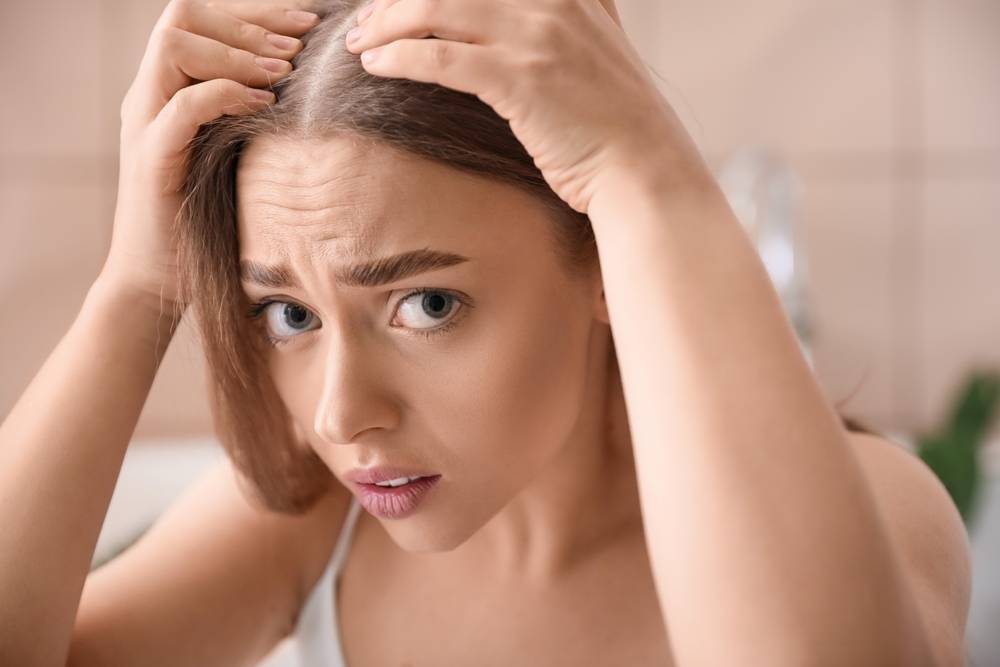
Pollution is one of the major factors affecting hair and scalp health. This primarily involves fine particulate matter, exhaust fumes, and other industrial pollutants that accumulate on the skin, scalp, and hair. These pollutants can clog hair follicles , slowing hair growth and even causing hair loss.
The oxidative stress induced by these pollutants also affects scalp cells, leading to problems such as hair loss, alopecia, or even dandruff. This stress disrupts the skin's natural balance, resulting in either excessive or insufficient sebum production. This can then lead to dry hair, or conversely, excessively oily hair.
Hair treatment: what are the harmful effects of the sun?
While the sun is an essential source of vitamin D for our bodies, it can have detrimental effects on the health of our hair and scalp. Ultraviolet (UV) rays can cause serious hair problems, starting with the degradation of the proteins that make up our hair, including keratin. This degradation makes hair dry, brittle, and more prone to falling out.
Prolonged sun exposure can also cause oxidative stress on the scalp . This disrupts the natural balance of hair oils, leading to either excessive or insufficient sebum production. Furthermore, the scalp, like the skin on the rest of the body, can be burned by excessive sun exposure. This can eventually lead to significant problems such as hair loss, dandruff, or other scalp conditions.
Many of us don't realize the importance of protecting our hair from the sun, even though using products containing UV protection for hair, such as certain conditioners or shampoos, is essential during prolonged sun exposure. These products create a barrier that protects the hair from the harmful effects of UV rays.
It is also crucial to nourish and hydrate hair after sun exposure. Treatments containing vitamins, nutrients like iron and zinc, or other natural ingredients can help repair damaged cells and strengthen the hair fiber.
Finally, our water intake and diet play a vital role in protecting our hair from sun damage . Adequate hydration and sufficient vitamin and mineral intake inevitably help maintain scalp health and hair growth.
What are the consequences of aggressive hair treatments on the scalp?
Despite their promises, hair treatments can cause adverse reactions if they are too harsh on the scalp . The powerful chemicals they contain and the invasive methods they employ can not only damage hair quality but also disrupt the overall health of the scalp.
One of the most common problems encountered after using harsh treatments is undoubtedly the weakening of the hair fiber . The chemicals break down the proteins that structure each hair, making the hair more prone to breakage and loss. Furthermore, these products can strip the scalp of its natural oils, leading to dry, lifeless hair.
The scalp itself is not spared. Irritation, itching, and inflammation can occur, sometimes leading to more serious problems such as hair loss, dandruff, or even alopecia in some cases.
Furthermore, excessive use of chemical treatments can disrupt the scalp's natural pH balance, stressing the hair follicles. This imbalance can slow hair growth and even lead to premature hair loss.
It is therefore essential to choose your hair care products carefully. Using natural products, rich in vitamins and nutrients such as zinc and iron, can help strengthen and protect hair. Similarly, a balanced diet, rich in protein and vitamins, promotes healthy hair growth.
Improper hair care: the effects of excessive heat and styling tools
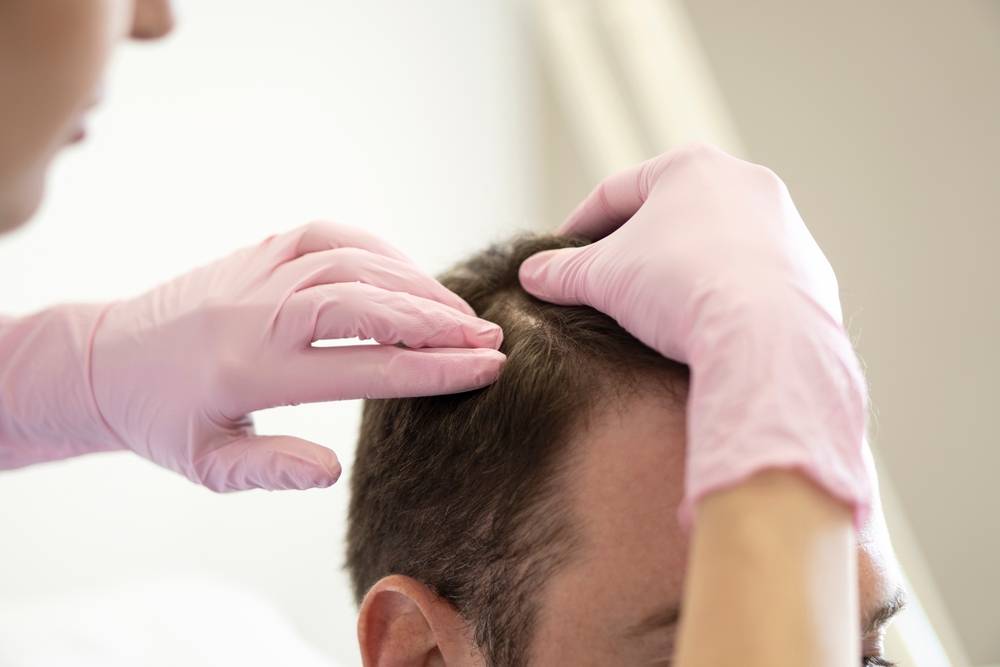
Heat styling tools , such as hair dryers, straighteners, and curling irons, are commonly used to perfect our look. However, excessive or incorrect use of these devices can have significant consequences for the scalp and overall hair health.
The direct and intense heat from these tools can indeed weaken the hair's protein structure , making it more vulnerable to breakage and hair loss. It's worth noting that hair commonly becomes dry and damaged when the scalp's natural oil barrier is disrupted. Furthermore, this situation exposes the hair to increased stress, leaving it dull and lifeless.
Furthermore, heat can cause scalp problems, ranging from dryness to dandruff. Scalp irritation can also be exacerbated by certain hair products used before applying heat, as some ingredients can react negatively when heated .
Furthermore, the growth phase of hair follicles can be disrupted by excessive heat exposure. Vitamins and nutrients like iron and zinc, crucial for hair health, may not be effectively absorbed, delaying natural hair growth. In some cases, this can even lead to conditions such as alopecia.
How do water quality and limescale affect hair health?
While water is essential for life, it's also crucial for the care and maintenance of our hair. However, the quality of the water we use can directly impact the health of our hair and scalp. In particular, hard water, rich in minerals such as limescale, can cause various hair problems.
When hair is washed with hard water, minerals build up, leaving hair dull, dry, and difficult to manage. Furthermore, hair care products like shampoo and conditioner may not be as effective because they don't penetrate the hair shaft properly . As a result, the scalp can become dry and irritable, increasing the risk of dandruff and other skin problems.
The presence of limescale in water can also disrupt the scalp's natural oil balance, leading to excessive sebum production or dryness. Accelerated hair loss or a slowing of the hair growth phase can also result.
To mitigate these effects, it is possible to invest in a water softener or a shower filter to reduce the concentration of minerals.
We recommend these other pages: