Hair treatments for scalp irritations: are they suitable for all hair types?
Every day, many people experience itchy and irritated scalps. This often underestimated problem can have a major impact on quality of life . The causes can be numerous, ranging from simple dryness to more complex skin conditions like psoriasis.
While specific treatments, products, and care products , such as shampoos and conditioners, are available to address these issues, the key lies in a deep understanding of the underlying causes. The delicate balance between sebum, hydration, and various environmental factors plays a vital role in the health of our scalp.
Therefore, it is essential to adopt a suitable hair care routine, use the right products and treatments, and recognize the signals our scalp sends us in order to effectively treat these irritations.
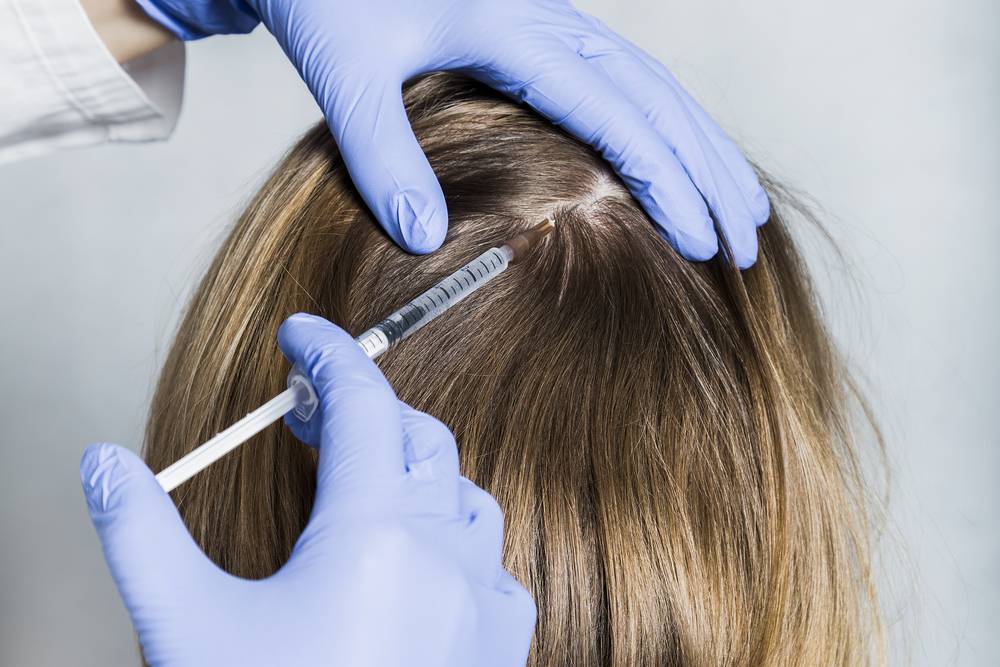
Understanding the root causes of scalp irritation
To effectively treat scalp itching and irritation, it's crucial to understand the underlying causes. This will help us better select the products and treatments best suited to our needs.
Sebum and dandruff: enemies of the scalp
Sebum is an oily substance naturally produced by the skin to protect and nourish it. However, an imbalance in its production can quickly become problematic for the scalp.
Indeed, excess sebum can clog pores , thus promoting the growth of certain bacteria and fungi, which often leads to the appearance of dandruff. While harmless in itself, dandruff can cause itching and irritation, especially when combined with dry skin or adverse environmental factors.
It is therefore essential to monitor the level of sebum on the scalp and adjust your hair care routine accordingly to prevent or treat these problems.
External factors and irritations
Hair products, such as shampoos and conditioners, play a crucial role in the health of our scalp. Harsh ingredients or those unsuitable for our hair type can trigger or worsen irritation.
Similarly, water, especially hard water, can also affect scalp health. It can damage the skin's protective barrier , leading to dryness and itching. Therefore, it's essential to choose products carefully and be mindful of external factors that can impact scalp health.
Internal factors: health problems and irritations
Beyond the products we use and our environment, our overall health can influence the condition of our scalp. Skin conditions, such as psoriasis , can lead to plaques, dryness, and inflammation.
Furthermore, certain medical conditions or stress can cause hair loss or thinning, exacerbating itching. It is therefore crucial to listen to your body, recognize warning signs, and consult a specialist if symptoms persist.
Solutions offered on the market: efficiency and adaptability
Navigating the multitude of scalp care products available can be a real challenge. Understanding their properties and mechanisms of action makes it easier to find the right solution for your needs.
Shampoos and body washes: everyday allies
Choosing the right shampoo or conditioner is a crucial step in preventing and treating an irritated scalp. These products, in direct contact with the skin, can soothe or, conversely, worsen itching. Formulations enriched with soothing active ingredients, such as aloe vera or urea, are ideal for relieving an irritated scalp .
Furthermore, certain ingredients, such as oils, can help regulate sebum production, thus preventing dandruff buildup. It is therefore essential to read labels carefully and choose products that meet the specific needs of your hair type.
Specific care: hydration, aloe vera and urea
Beyond daily shampooing, incorporating specific treatments into your routine can make a big difference. Hydration is key to preventing dryness and itching. Serums and oils, especially those containing aloe vera, provide deep hydration while soothing inflammation. Urea, an active ingredient known for its moisturizing properties, can also be found in treatments for dry scalps. By working deep down, these treatments promote a healthy and balanced scalp.
Hair care routine: essential steps for a healthy scalp
Adopting a suitable hair care routine is just as important as choosing the right products. For example, the frequency of washing should be adjusted according to sebum production and the presence of dandruff. A gentle scalp massage during washing can stimulate circulation, thus promoting healthier hair. Furthermore, rinsing with lukewarm water, rather than hot water, helps maintain the scalp's balance and prevent dryness.
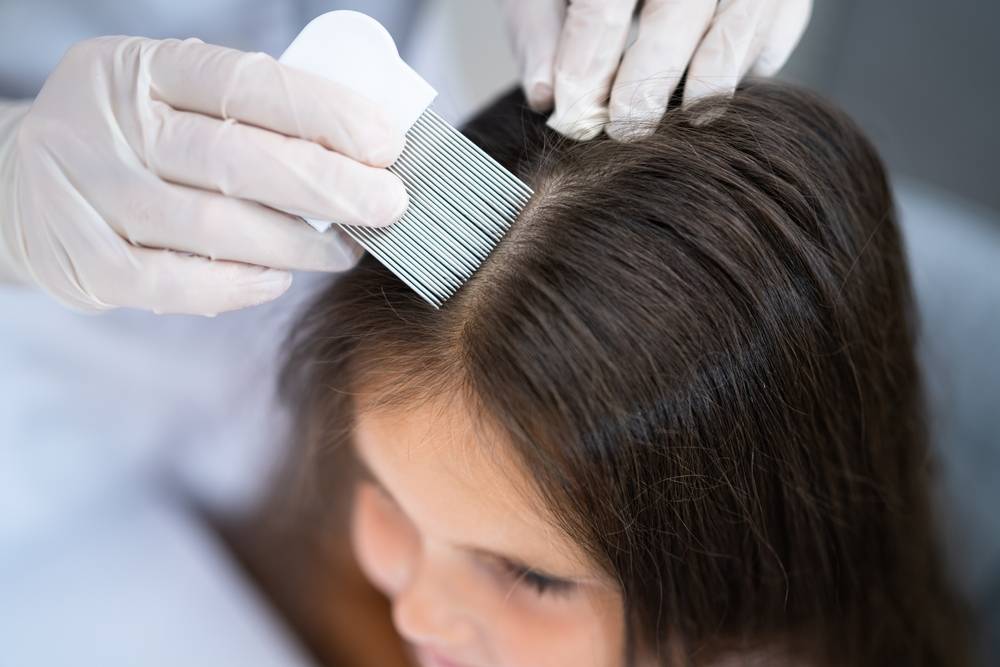
The importance of adapting the treatment according to hair type
Each hair type has its own specific characteristics. Therefore, a solution that works for one person may not be suitable for another. Taking these specificities into account is essential to guarantee the effectiveness of treatments.
Dry hair: treatment to nourish and hydrate
Dry hair tends to exacerbate scalp irritation. Low sebum production can lead to skin that is more prone to itching and dryness. For these hair types, hydration is essential.
Regular use of treatments rich in nourishing ingredients , such as oils or serums, can provide the necessary hydration to prevent irritation. In addition, gentle shampoos without harsh ingredients are preferable to avoid further drying out the scalp.
Oily hair: balancing sebum without irritation
Unlike dry hair, oily hair is characterized by an excessive production of sebum. This excess can lead to dandruff and increased itching.
It is therefore crucial to choose products that regulate sebum production without irritating the scalp. Gentle, purifying shampoos , combined with light conditioners, can help maintain the skin's balance while preventing irritation.
Colored or chemically treated hair: a double challenge
Colored or chemically treated hair can present an additional challenge. The chemicals used can disrupt the skin's natural barrier, making the scalp more vulnerable to external aggressors. Gentle shampoos, enriched with soothing ingredients like aloe vera, can protect and calm the scalp.
In addition, it is advisable to space out chemical treatments to allow the scalp to regenerate and avoid an accumulation of irritations.
New approaches to soothing the scalp
In a constantly evolving world, scientific research regularly offers new solutions for treating scalp irritation. Exploring these new approaches can be beneficial for those who haven't found relief with traditional methods.
Dietary supplements: acting from within
The condition of our scalp often reflects our internal health. Dietary supplements, by providing essential nutrients for skin and hair, can significantly improve hair health. Ingredients such as aloe vera oil , rich in essential fatty acids, can support scalp hydration and balance from within. Furthermore, these supplements can help strengthen hair, thus reducing breakage and loss.
Natural product line: back to basics
With growing awareness of the effects of synthetic ingredients, many consumers are turning to more natural products for their hair care routine. These products, often formulated without parabens, sulfates, or other potentially irritating ingredients, can offer a gentler alternative for the scalp.
Ingredients such as oil, aloe vera and other natural actives provide hydration and protection without the potential side effects of traditional products.
Alternative therapies: beyond products
Scalp massages, acupuncture, and reflexology are all alternative therapies that can help reduce tension , stimulate blood circulation, and soothe irritation. While these methods may seem far removed from shampoos and topical products, they offer a holistic approach, treating the scalp as a whole rather than just targeting symptoms.
In conclusion, scalp health, though sometimes neglected, has a direct impact on our daily well-being. Itching, irritation, and other discomforts can be the source of much distress. Fortunately, a multitude of solutions are available, from traditional products and new approaches to alternative therapies. The key is to understand the specific needs of your hair type, listen to the signals your scalp sends, and adapt your routine accordingly. With careful attention and a personalized approach, it is entirely possible to achieve a healthy, soothed, and irritation-free scalp.
We recommend these other pages:
- What are the different types of hair treatments for scalp irritation?
- How do specific hair treatments work on scalp irritations?
- Which natural active ingredients should you choose for a soothing treatment for scalp irritations?
- How to establish a skincare routine adapted to scalp irritations?
- How effective are dietary supplements in treating scalp irritations?