How to choose the right vegetable oil for hair treatment?
When it comes to hair care, plant-based oil is an essential item in our beauty kit. Current hair trends lean towards a more natural and organic approach .
Therefore, turning to plant-based oils to nourish, hydrate, and enhance hair seems like the obvious choice. These elixirs, extracted from seeds, nuts, or fruits, have a rich history of use in improving hair and skin health. Whether it's argan oil, often called "liquid gold," coconut oil, renowned for its moisturizing properties, or avocado oil, beneficial for curly hair, each plant-based oil offers its own specific benefits depending on our scalp .
But how do we choose the best vegetable oil suited to our hair type?
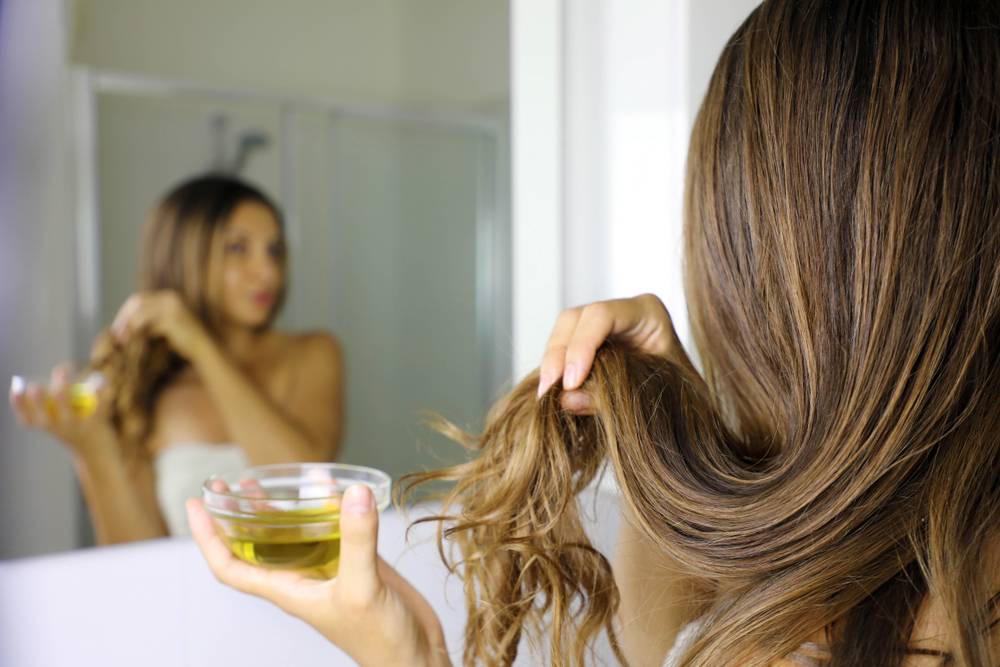
Why use a vegetable oil for hair?
Vegetable oils prove to be excellent allies for our hair. They offer a multitude of benefits for hair, from root to tip.
The benefits of vegetable oils for hair fibers
Using a vegetable oil for hair goes far beyond simple hydration. Indeed, vegetable oils, rich in essential fatty acids , penetrate deep into the hair fiber, nourishing and revitalizing the hair from within.
Dry, damaged, and brittle hair regains shine and softness thanks to the nourishing properties of oils. Furthermore, plant-based oils such as castor or jojoba oil are known to strengthen hair and prevent breakage.
Vegetable oils vs. industrial products
Industrial hair care products can often contain ingredients that are potentially harmful to the scalp and hair. In contrast, natural, chemical-free plant-based oils guarantee healthy, authentic beauty . They offer an organic alternative that respects both the hair's natural structure and the environment.
Vegetable oils for different hair types
Each hair type has its own specific needs. While curly hair can benefit from the nourishing properties of avocado oil, colored hair can preserve its color and shine thanks to sweet almond oil.
Plant-based oils like hemp or jojoba oil can also regulate sebum production on the scalp, which is ideal for those with oily hair. It's therefore essential to choose the right plant-based oil based on your specific hair needs.
How to choose a vegetable oil according to your hair type?
Choosing a vegetable oil requires careful consideration. You must take into account your hair type, its specific needs, and your expectations regarding hair care.
Oils for dry and damaged hair
Dry and damaged hair requires deep hydration and intense nourishment. Argan oil, often called "liquid gold," is renowned for its nourishing and restorative properties . It adds shine and suppleness to the lengths, while strengthening the hair fiber.
Coconut oil , rich in fatty acids, also provides deep hydration for this hair type. Its penetrating power helps repair hair from within. For unparalleled shine, sweet almond oil also works wonders on damaged ends.
Oils for oily hair and oily scalp
An imbalance in sebum production can make the scalp oily, leading to heavy, lifeless hair. In this case, it's essential to choose lightweight oils that won't weigh down the scalp.
Jojoba oil is an excellent option for regulating sebum production . It mimics the sebum naturally produced by the scalp, helping to maintain balance. Similarly, hemp oil, thanks to its lightness, is suitable for oily hair without weighing it down.
Oils for curly and frizzy hair
Curly hair often needs nourishment and hydration to define curls and prevent frizz. Avocado oil is particularly well-suited for this hair type. Rich in vitamins and fatty acids, it deeply moisturizes and helps define curls. Castor oil, on the other hand, can promote growth and strengthen curls.
Methods of applying vegetable oils
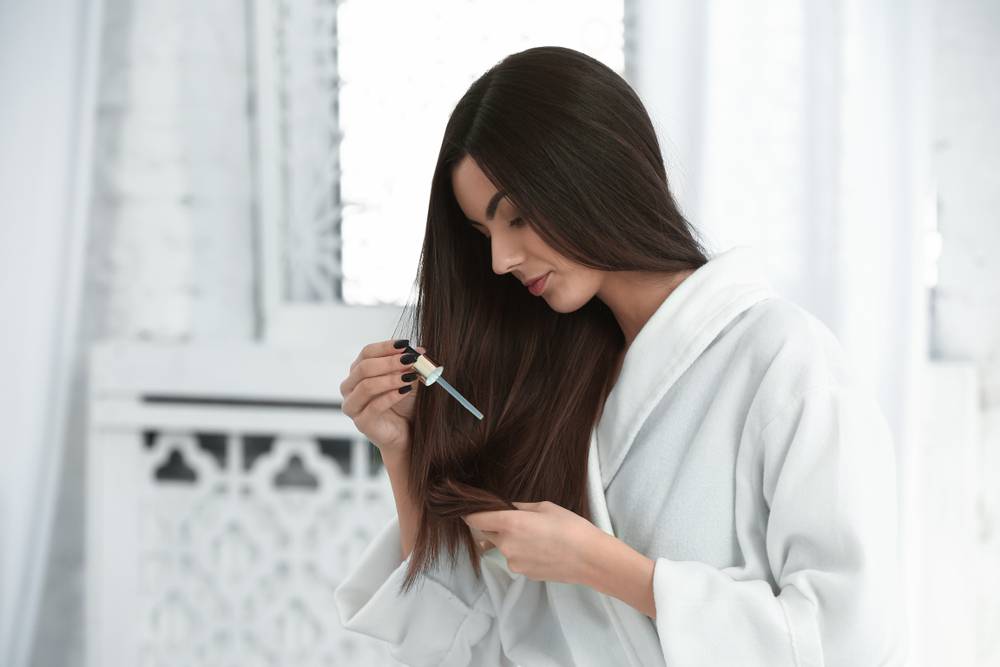
Although using vegetable oils for hair seems simple, a few application methods can optimize their benefits.
Oil bath before shampooing
This method involves generously applying vegetable oil to the entire head of hair, from roots to tips, before shampooing. Leaving it on for a few hours, or even overnight, allows the oils to penetrate deeply into the hair fiber, ensuring intense nourishment.
Next, a gentle shampoo will remove excess oil while preserving the benefits of the treatment.
Apply to damaged ends
For those seeking a quick fix for dry ends, a few drops of vegetable oil can be applied directly to the tips. This targeted application nourishes and protects the ends, preventing breakage.
Incorporating it into the hair mask
Vegetable oils can be mixed into a hair mask to enhance its effect. Indeed, a tablespoon of shea or coconut oil can transform a regular mask into a deeply nourishing treatment.
It is crucial to note that, regardless of the application method, it is essential to choose a high-quality vegetable oil, ideally organic, to guarantee the absence of pesticides and other chemicals. This maximizes the benefits and ensures a truly natural skincare experience.
How to incorporate vegetable oils into a daily hair care routine?
Incorporating plant-based oils into your daily hair care routine may seem complex to some. However, by understanding their properties and knowing how to use them effectively, it's easy to enjoy their benefits every day.
Use as a protective agent
The first step in incorporating a plant-based oil into your daily routine is to think of it as a shield. Before using heat styling tools like a hairdryer or straightener, a few drops of coconut or jojoba oil can be applied to the lengths and ends of your hair. This forms a protective barrier against heat , reducing damage and preserving your hair's natural shine.
Everyday hairstyling
For those with curly or frizzy hair, the daily challenge is defining curls without weighing them down. By mixing a few drops of avocado or castor oil with a lightweight styling gel, you get a natural styling product that not only defines curls but also nourishes them.
Nighttime care for deep regeneration
Nighttime is the ideal time to allow hair to regenerate. By applying a small amount of argan or sweet almond oil to damaged ends before bed, you provide deep hydration that works throughout the night . In the morning, hair is soft, shiny, and ready to face a new day.
In conclusion, plant oils, true treasures of nature, offer a wealth of benefits for hair. Whether for dry, oily, or curly hair, or even for the scalp, there's an oil suited to every need. Their uses are as varied as their benefits. Whether used as a hair oil treatment, a daily treatment, or even incorporated into our usual hair products, they easily find their place in our beauty routine.
However, the key word is moderation. Just like any beauty or skincare product, excess can be harmful . It is therefore essential to use the right amount and choose quality oils to fully benefit from their properties without risk. Finally, the best part of this hair care journey is discovering and experimenting. Each plant oil is an invitation to explore a new facet of natural beauty, and each drop is a promise of care, softness, and shine.
We recommend these other pages: