Everything you need to know about scalp psoriasis and hair treatment
Psoriasis is a skin condition that, when it affects the scalp , can often be confused with other disorders such as seborrheic eczema. Both conditions cause itching, as well as the appearance of red patches and scales. Unlike other scalp conditions, such as alopecia, which causes hair loss , psoriasis is a chronic autoimmune disease that can lead to significant lesions .
On this page, we will explore everything you need to know about scalp psoriasis, from causes to treatments, including appropriate care to relieve symptoms.
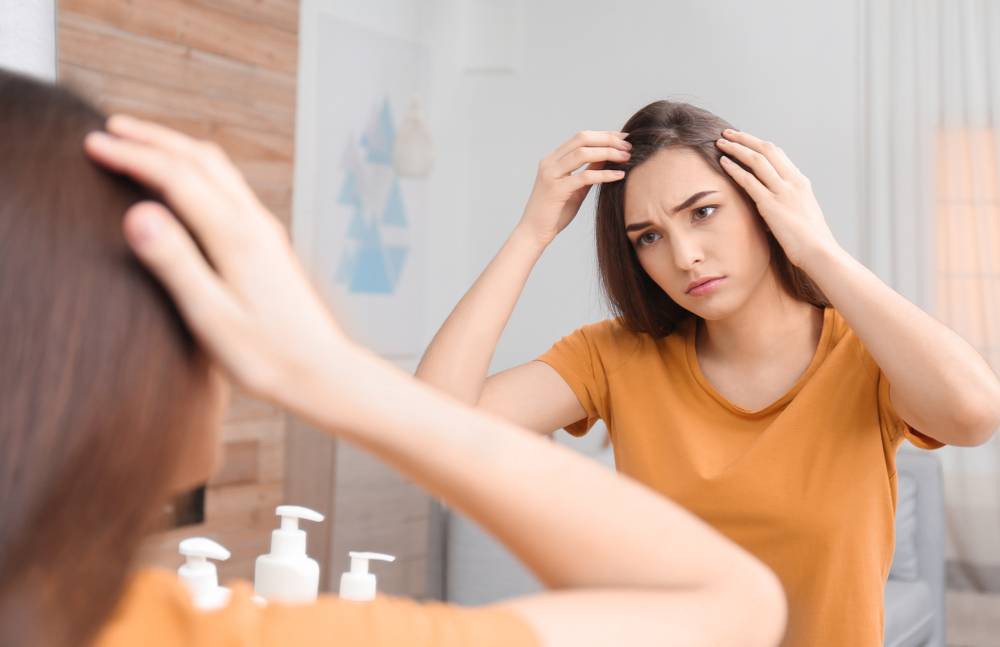
What do you need to know about scalp psoriasis for effective treatment?
Scalp psoriasis primarily manifests as red patches covered with whitish scales. Unlike seborrheic eczema, this autoimmune disease affects the skin by accelerating the cell life cycle , causing rapid accumulation on the surface. However, accurately identifying this condition is crucial, as it shares symptoms with other scalp diseases.
One of the main differences between psoriasis and other scalp conditions, such as seborrheic eczema, is the presence of well-defined plaques that can extend beyond the scalp. These lesions can cause intense itching and irritation, requiring appropriate treatment to relieve symptoms.
The causes of scalp psoriasis vary. While genetics plays a role, other factors, such as stress, certain illnesses, or the use of certain medications, can trigger flare-ups . For an accurate diagnosis, it is essential to consult a dermatologist. In France, many affected patients make the mistake of using unsuitable shampoos or hair products, thus worsening their symptoms.
Effective treatment for scalp psoriasis requires a two-pronged approach: treating the inflamed skin while also maintaining healthy hair. The use of medicated shampoos, under the guidance of a doctor, is most often recommended. These products are specifically designed to treat inflammation and reduce plaque formation .
What are the symptoms of scalp psoriasis?
Psoriasis, although a chronic skin condition, presents with specific symptoms when it affects the scalp. This condition should not be confused with seborrheic eczema, although there are similarities between the two. Correctly distinguishing the signs of psoriasis is essential for proper management and referral to appropriate treatments.
Among the main symptoms of scalp psoriasis are, of course, red patches, often covered with white or silvery scales . Unlike classic dandruff, these scales are thicker and can be accompanied by significant skin inflammation.
Itching is another common symptom and can vary in intensity from patient to patient. Over time, it can lead to scalp irritation and, in some cases, temporary hair loss. However, it's important to note that hair loss is often the result of excessive scratching and not directly caused by the disease itself.
While stress is recognized as one of the triggers for psoriasis flare-ups, it can also be a side effect of the itching and discomfort experienced daily by patients. Other symptoms may include a burning sensation or pain in the affected areas.
An accurate diagnosis by a dermatologist is essential to differentiate psoriasis from other scalp conditions, such as seborrheic eczema.
What are the possible causes of scalp psoriasis?
Contrary to popular belief, psoriasis is not a skin condition caused by poor hygiene or the use of inappropriate products. The exact causes of psoriasis remain partially unknown, but several factors appear to contribute to it .
First, genetics plays a crucial role in the development of psoriasis. Patients with a family history of the disease are more likely to develop plaques on their scalp or other areas of their body. Research shows that certain genetic mutations promote an accelerated production of skin cells, leading to the appearance of characteristic symptoms.
Another important factor is the immune system. Psoriasis is considered an autoimmune disease , where the body attacks its own cells. In the context of psoriasis, the immune system targets skin cells, leading to inflammation and the formation of plaques.
Stress, both emotional and physical, can also trigger or worsen a psoriasis flare-up. Stressful life events, infections, or even hormonal changes can act as catalysts.
Certain medications, such as beta-blockers or antimalarials , can also trigger or worsen psoriasis in some patients. It is therefore essential to speak to a doctor if you suspect a link between taking a medication and the onset of symptoms.
Finally, although less common, skin injuries such as cuts or scratches can cause what is known as the Koebner phenomenon, where psoriasis develops in areas of injured skin.
What are the impacts of psoriasis on hair?
Scalp psoriasis, while primarily a skin condition, has direct and indirect consequences for hair health . Its onset is generally characterized by red, scaly patches, often accompanied by intense itching. These symptoms can therefore have a significant impact on hair health.
The constant scratching caused by itching can already lead to further skin irritation, resulting in lesions or more extensive areas of inflammation on the scalp. This constant irritation can weaken the hair roots , increasing the risk of hair loss.
The appearance of these scales is often mistaken for seborrheic dandruff, but unlike the latter, they are generally thicker and adhere firmly to the scalp. Choosing the right shampoo or other hair care products becomes crucial for patients with this condition. Repeated use of unsuitable shampoos can also worsen symptoms and even cause further irritation.
The presence of plaques can also disrupt normal hair growth. In some cases, psoriasis leads to a form of alopecia , a temporary loss of hair in the affected areas. Although this loss is often reversible once treatment is initiated, it can cause considerable stress for the patient, thus impacting their quality of life.
It is important to note that, although the effects of psoriasis on the hair are concerning, it is not a contagious disease. It results primarily from an abnormal immune response of the body and not from poor hygiene or infection.
What medical treatments are available for scalp psoriasis?
Scalp psoriasis is a skin condition that can have devastating effects on hair health. While the symptoms can be alarming, many treatments have proven effective in relieving itching, reducing plaques, and promoting overall scalp health.
Topical treatments are often the first choice recommended by dermatologists. These products are applied directly to the affected areas of the scalp. Medicated shampoos, containing coal tar or salicylic acid , can also help remove scales and reduce inflammation. For more severe cases, a dermatologist may prescribe topical corticosteroids to quickly reduce inflammation.
In some cases, when topical treatment is not sufficiently effective, doctors may recommend systemic medications. These work throughout the body to slow the rapid growth of skin cells, which is often the cause of psoriasis plaques.
Controlled UVB exposure, often under the supervision of a dermatologist, is another method for treating scalp psoriasis. While this can be beneficial, any UV treatment requires careful management to minimize the risk of skin damage.
In addition, some patients find relief by using natural remedies such as oils or emollients, which help soothe irritated skin and reduce itching .
It is important to note that while stress is not a direct cause of psoriasis, it can worsen flare-ups. Therefore, managing stress is often considered an integral part of overall treatment.
Finally, in cases of hair loss or alopecia due to psoriasis, it is advisable to consult a hair specialist to discuss treatment options, such as hair transplantation, although this is only necessary in the most extreme cases.
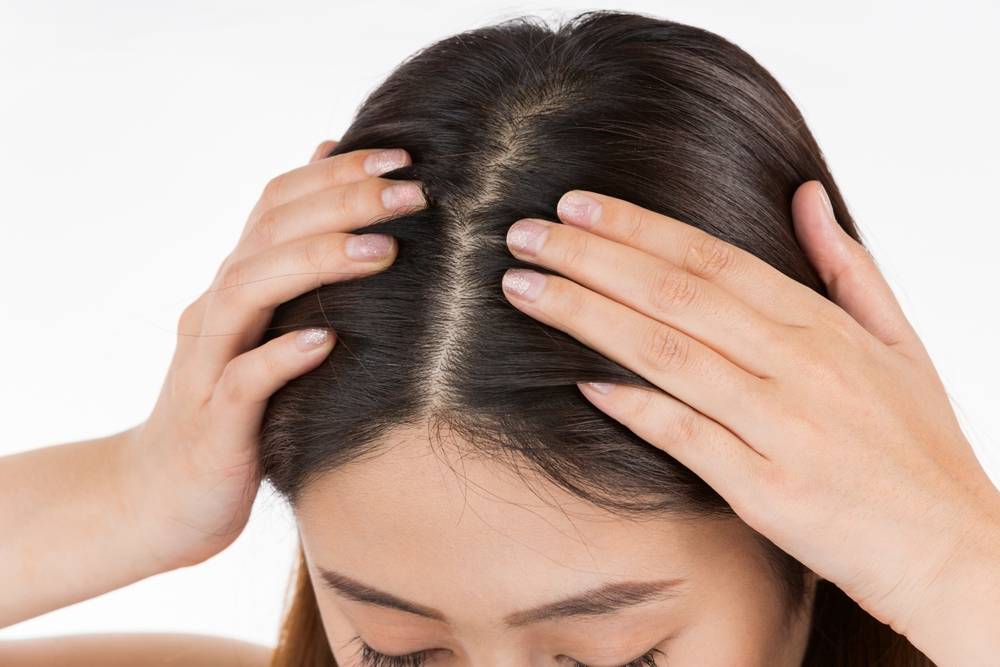
Hair treatment and psoriasis: what are the suitable hair products?
Scalp psoriasis is a skin condition that profoundly affects the quality of life for many patients. The symptoms, including itching and red patches, can be uncomfortable and stressful. Furthermore, unsuitable hair products can exacerbate these symptoms. Fortunately, there are treatments specifically designed for people with this condition.
Medicated shampoos are often recommended as a first-line treatment for scalp psoriasis. These shampoos contain active ingredients designed to reduce inflammation , remove scales, and soothe the skin. For example, coal tar shampoos can help slow the rapid growth of skin cells, which is often responsible for psoriasis plaques. Other products may contain salicylic acid, which helps remove scales.
Itching can also be particularly bothersome for people with scalp psoriasis. In this case, a shampoo containing horsetail or colloidal oatmeal can have a soothing effect. It is also important to choose products without alcohol or other irritants that could worsen the irritation.
Some patients turn to natural products to soothe their scalp. Oils, such as coconut or argan oil , can provide moisturizing care without causing further irritation. However, it's always best to consult a dermatologist before introducing any new product into your hair care routine.
Furthermore, avoiding hair products containing alcohol or perfumes is essential, as they can further dry out and irritate the scalp.
Hair treatment for psoriasis: what advice is there?
Scalp psoriasis presents a number of challenges for those who suffer from it. Not only does it cause symptoms like itching and red patches, but it can also affect hair health. Here are some tips for those looking to treat their hair while managing scalp psoriasis .
Choosing the right shampoo
Medicated shampoos specifically formulated for psoriasis help reduce inflammation and eliminate scales. These products are often recommended by dermatologists. If you also have symptoms of eczema or seborrheic dermatitis, it's essential to choose a suitable product.
Space out the washes
Although it may seem counterintuitive, washing your hair every day dries out the skin further and exacerbates psoriasis symptoms. It can also cause other hair health problems such as hair loss.
Avoid irritating products
Some hair products can cause further irritation. Affected patients should therefore avoid those containing alcohol or perfumes .
Consult a dermatologist
In case of severe symptoms or if usual treatments are ineffective, it is essential to consult a dermatologist. This expert guarantees an accurate diagnosis and recommends the most appropriate treatments.
Relieve stress
Stress is a common cause of psoriasis flare-ups. Therefore, finding ways to calm yourself can have a positive effect on your scalp and the overall health of your hair.
Avoid harsh hair treatments
Treatments such as hair coloring or perms can exacerbate psoriasis symptoms. It is therefore advisable to avoid them or space them out.
Use gentle care products
Apart from medicated shampoos, be sure to use only gentle and moisturizing products , such as those based on natural oils.
We recommend these other pages: