
What are the symptoms of scalp irritation?
The condition of our scalp can reveal a lot about the overall health of our hair and skin. Often hidden beneath a thick mane of hair, it's a breeding ground for irritation , rashes, itching, and seborrhea. It's worth noting that certain hair products, such as hair dyes, can also irritate it, as can poor-quality water.
This page will attempt to demystify the symptoms of an irritated scalp and inform you about the key differences between the various possible conditions.
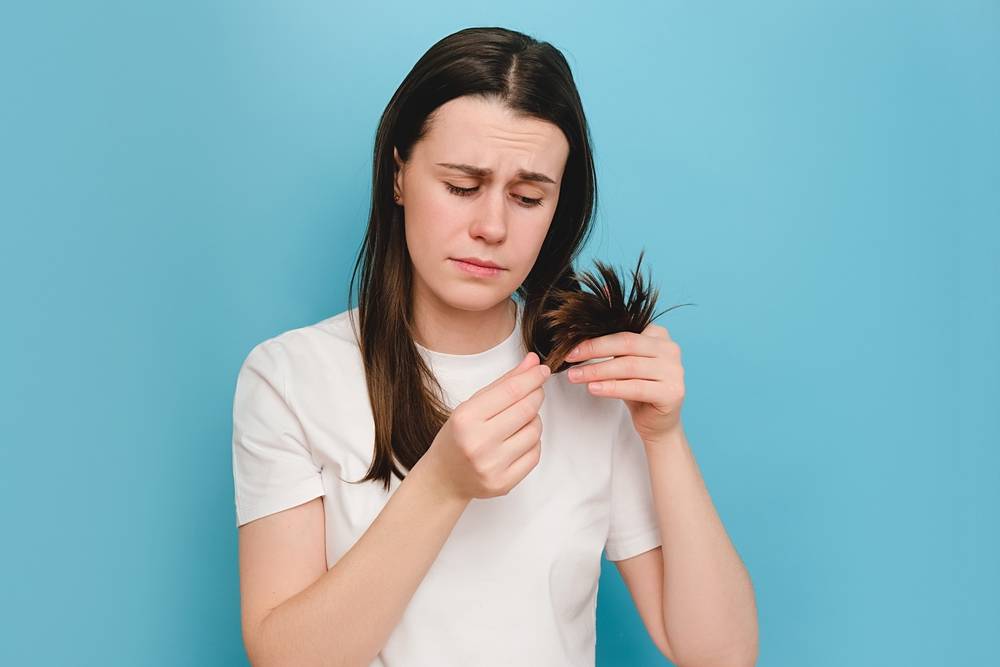
How to recognize scalp irritation?
Recognizing scalp irritation isn't always easy, as symptoms can vary from person to person and be confused with other skin conditions. However, there are telltale signs that can alert you to an underlying scalp problem.
First, itching is often the first symptom experienced. It can be mild or intense and is sometimes accompanied by a burning sensation . The scalp may also show redness or patches, signs of inflammation. Dandruff can indicate a sebum problem or seborrheic dermatitis.
Understanding the cause of these irritations is essential for choosing the appropriate treatment. Many hair products, such as shampoos, dyes, or treatments, can irritate the skin, especially if the person is allergic to one of the ingredients .
Accurate diagnosis often requires the opinion of a doctor or dermatologist. For example, atopic eczema and scalp psoriasis present similar symptoms, such as red patches and itching, but require different treatments. Hair loss, or alopecia, can also occur if the condition is left untreated or mistreated, adding to the complexity of diagnosis .
Scalp irritation and psoriasis: what are the differences?
Irritated scalp and scalp psoriasis are two distinct conditions that can cause discomfort and embarrassment for those affected. While they share some similarities, such as itching and inflammation, they are fundamentally different in nature and require different treatment approaches.
Scalp irritation is a common condition that can occur due to various factors , including the use of harsh hair care products, allergic reactions, fungal or bacterial infections, or even environmental factors such as dry weather or wind. The main symptoms are itching, redness, and a burning sensation on the scalp. Treatment most often involves identifying and eliminating the triggering factor, followed by the application of a gentle shampoo and conditioner that can help soothe and moisturize the scalp. Applying nourishing oils and hair masks can also be beneficial.
Scalp psoriasis, on the other hand, is a chronic skin condition caused by an accelerated growth cycle of skin cells , resulting in the accumulation of skin cells that form thick, scaly plaques. These plaques are often accompanied by intense itching, scaling, and inflammation of the scalp. Treatment for this condition may involve the use of topical medications, phototherapy, or systemic treatments, depending on the severity of the condition.
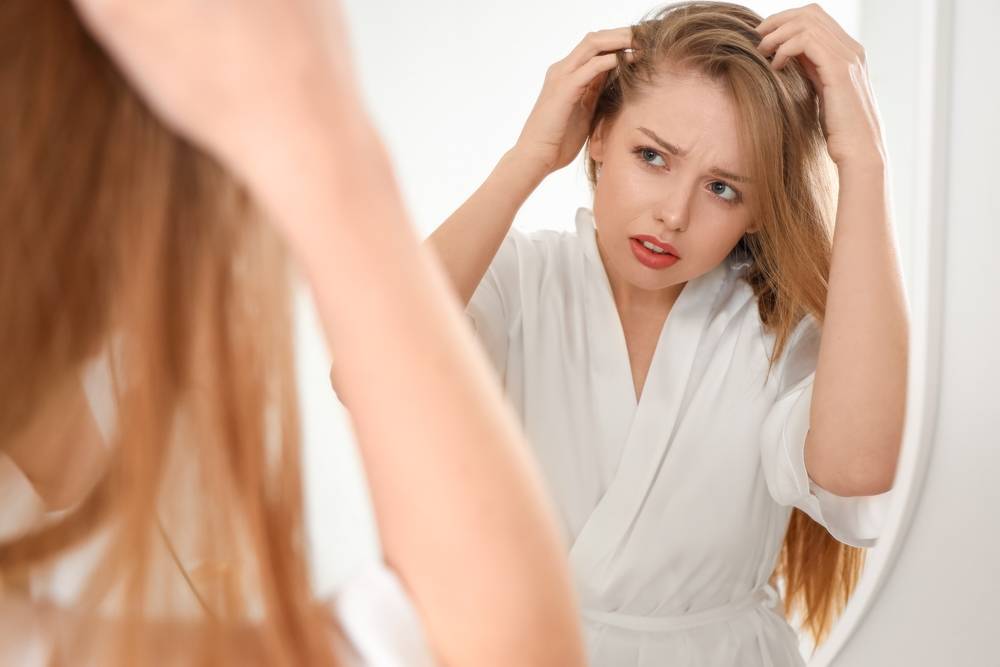
What are the differences between scalp irritation, psoriasis, and hair eczema?
Scalp irritation is usually caused by a reaction to hair products , shampoos, dyes, or external factors. Common symptoms include itching, red or irritated skin, and sometimes dandruff. Appropriate products and treatments, such as hair oil, can soothe and restore the scalp's sebum balance.
Psoriasis, on the other hand, is a chronic autoimmune disease . It manifests as thick, scaly, red plaques on the skin, which can extend beyond the scalp. Although its exact causes are still being studied, it is clear that genetics plays a key role. Possible treatments vary depending on the severity, ranging from medicated shampoos to systemic therapies.
Scalp eczema, on the other hand, comes in two main forms: seborrheic dermatitis and atopic eczema . Seborrheic dermatitis is caused by an excess of sebum and manifests as itching, redness, and oily dandruff. It can be exacerbated by factors such as stress, hormonal changes, or underlying health conditions. Atopic eczema, however, is an allergic condition that can cause severe itching , red patches, and dry skin.
The key to distinguishing between these conditions is an accurate diagnosis. Although some symptoms may overlap, the underlying cause and appropriate treatment can vary considerably. A doctor's opinion is essential to identify the problem and suggest a suitable treatment. For example, a product that soothes eczema might further irritate a scalp affected by psoriasis .
Scalp irritation: what tests or examinations can establish an accurate diagnosis?
Accurate diagnosis of scalp irritation is essential to determine the appropriate treatment and distinguish it from other conditions such as psoriasis or eczema. Itching, redness, and other symptoms can indicate several problems, making it crucial to know which tests to perform for proper care.
The first step in diagnosing scalp irritation is a clinical examination . A doctor will examine the skin and hair to identify specific signs, such as red patches, dandruff, or areas where sebum production appears excessive. This examination can also reveal signs of other conditions, such as psoriasis, which often presents with well-defined plaques characterized by dry skin and intense itching .
If the cause is uncertain after a clinical examination, further tests may be necessary. A scalp biopsy can be performed to examine cells under a microscope. This will help rule out or confirm the presence of conditions such as psoriasis or eczema.
An allergy test may also be recommended if the doctor suspects that an allergy to a product, such as shampoo, hair dye, or other hair care product, is the cause. This test will reveal whether the scalp reacts to specific products, thus helping to avoid these triggers in the future.
Sometimes, an underlying health problem can cause scalp irritation. In this case, further tests may be needed to diagnose conditions such as seborrheic dermatitis , which is related to excess sebum.
We recommend these other pages:


