
What are some common irritants in hair treatments?
In the vast world of cosmetics, a wide variety of products are available to care for our hair . However, all that glitters is not gold. The ingredients in these hair care products can have a major impact on the health of our hair, our skin, and even our overall health.
Indeed, some products contain harsh substances that can cause itching, irritation, and other adverse effects on the scalp. It is essential to know the ingredients in our shampoo, cream, or any other hair product to protect our scalp and hair.
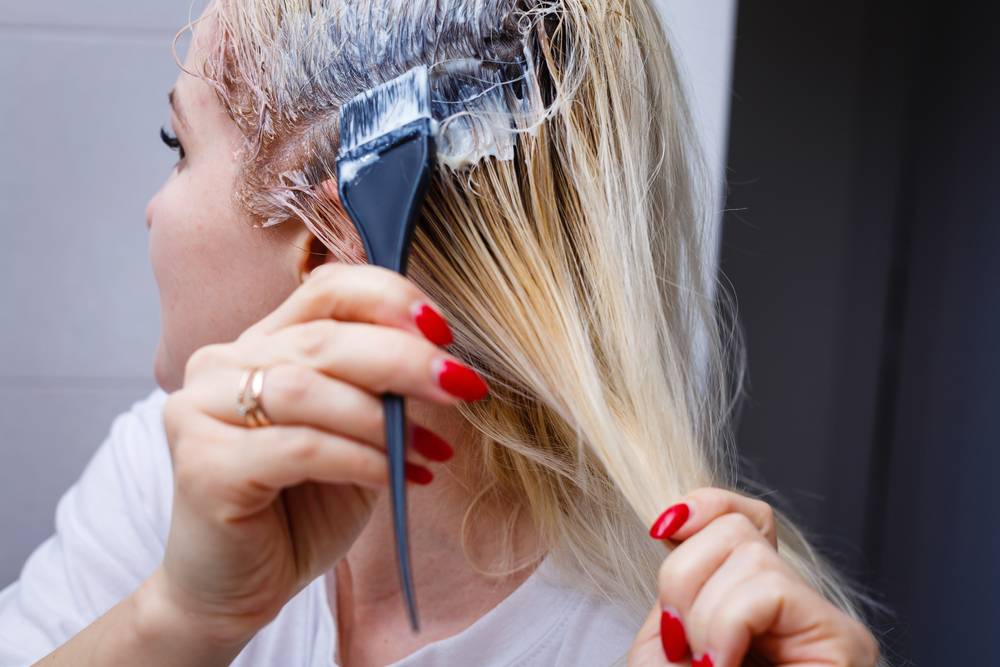
Understanding the composition of hair products
The beauty and health of our hair are directly influenced by the products we use. These hair care products, while seemingly effective, sometimes contain less beneficial ingredients.
Decoding the labels
When you look at the ingredient list on hair product packaging, you'll often come across complex terms like sodium lauryl sulfate, silicones, or parabens. Understanding these terms is the first step in ensuring that the products we apply to our scalp are healthy.
Ingredient categories
Cosmetics, in general, contain a multitude of ingredients, ranging from preservatives and perfumes to colorants and texturizing agents. In hair products, these substances play different roles.
For example, sulfates give shampoo its abundant lather , while silicones leave hair feeling soft . But these desired effects can also come at a cost to the health of our scalp.
The list of "clean" vs. "non-clean" ingredients
As more and more people turn to organic and natural hair care, it's crucial to distinguish between ingredients that are beneficial for our hair and those that can be harmful. Natural ingredients, such as certain oils, can provide hydration and protection without the undesirable side effects of chemical substances.
Impact of chemical ingredients on the environment
Beyond their direct effect on our hair, some ingredients in hair products can impact the environment. Chemicals present in wastewater, once discharged, can disrupt aquatic ecosystems , raising questions about the sustainability of the products we use.
The main irritants and their effects on the scalp and hair
Unfortunately, the hair products we regularly use can contain ingredients that irritate or damage the health of our hair and scalp. By better understanding these irritants, we can make informed choices about our hair care routine.
Sulfates and their side effects
Sulfates, such as sodium lauryl sulfate , are commonly used in shampoos for their ability to create a rich lather. However, they can strip hair of its natural oils, leading to dryness, itchiness, and scalp irritation. Additionally, for those with dyed hair, sulfates can accelerate the fading process.
Silicones and hair buildup
Silicones give hair a smooth and shiny appearance. But this beautiful appearance can hide a drawback: silicones can build up on the hair and scalp, preventing oils and moisture from penetrating, which can make hair dry and brittle in the long run.
Parabens, preservatives and endocrine disruptors
Used to extend product shelf life, parabens and certain other preservatives have been linked to concerns about endocrine disruptors. These substances can mimic the body's natural hormones , potentially triggering hormonal imbalances or other health problems.
Dyes, perfumes and allergies
While the scent of a shampoo or the color of a product may seem harmless, for some people these ingredients can trigger allergic reactions . Itching, redness, and even hair loss can result from a reaction to these chemicals.

Natural and healthy alternatives to irritating ingredients
Growing awareness of the potential adverse effects of common ingredients has led to an increased search for natural and healthy alternatives for our hair and scalp.
The benefits of organic cosmetics
Choosing organic hair care means opting for products free from many harmful chemicals. These cosmetics prioritize naturally derived ingredients that respect both the consumer's health and the environment.
Natural hair oils
Oils like coconut oil or argan oil are renowned for their moisturizing and nourishing properties. They provide deep hydration without the side effects of silicones and can help repair damaged hair.
Natural preservation of products
While parabens and other synthetic preservatives can be problematic, there are natural alternatives for preserving products, such as certain plant extracts or essential oils.
The importance of water in hair care
Water is the main ingredient in many hair products. Opting for products made with spring water or filtered water can ensure better quality and avoid the presence of contaminants or irritating substances.
How to choose products that are kind to your scalp and the environment
When choosing hair care products, it's essential to opt for products that respect both your scalp and the environment. Being well-informed and aware of the ingredients in these products is key.
Read the labels carefully
One of the most crucial pieces of advice is to always read the ingredient list before buying a product. Look for ingredients you want to avoid, such as sodium lauryl sulfate or parabens, and pay attention to any terms you don't understand.
Turn to organic certifications
Labels and certifications guarantee that products are manufactured according to strict standards , without chemicals harmful to health or the environment. These labels can serve as a guide to finding healthy and sustainable products.
Prioritize products with natural ingredients
Hair care products made with natural ingredients, such as oils or plant extracts, are often less irritating to the scalp and better for overall hair health. These ingredients, like aloe vera or jojoba oil , can nourish hair without the harmful effects of synthetic ingredients.
Opt for eco-friendly packaging
Beyond the ingredients themselves, consider the environmental impact of the packaging. Recyclable or compostable bottles, or even bulk delivery systems, can reduce the ecological footprint of your hair care routine.
Ultimately, the beauty and health of our hair are intrinsically linked to the products we use. By better understanding the ingredients in these products and making informed choices, we can not only protect our hair and scalp but also contribute to environmental protection . Opting for natural products, carefully reading labels, and being aware of the potential effects of synthetic ingredients are crucial steps toward a healthier hair care routine. In the end, caring for your hair isn't just about seeking outward beauty, but also about preserving the health of your scalp and the planet we live on.
We recommend these other pages:


