
Treating scalp irritation: which natural active ingredients to choose?
In the quest for a healthy scalp, using the right products is crucial. Our scalp, just like our skin, is an indicator of our inner well-being .
Indeed, hair and scalp often reflect our overall health. Irritations, itching, dandruff, and dryness are all issues that can be soothed with proper treatment or an appropriate care routine.
Today, we delve into the world of natural ingredients that have proven effective in soothing and nourishing the scalp. Thanks to their exceptional properties, these active ingredients are a true source of benefits for our hair.

Understanding the origin of scalp irritations
Scalp irritation is a concern for many. Understanding the causes and factors of this irritation is essential for effectively treating it.
Structure and function of the scalp
The scalp, like the skin on our face, is an essential part of our body. Made up of cells and hair follicles, it plays a crucial role in the health and growth of our hair.
Sebum, an oil naturally produced by our scalp, is essential for protecting and moisturizing our hair and skin. However, an imbalance in its production can lead to various problems, such as itching and dandruff.
Common irritants
Many factors can irritate our scalp. Shampoos and other hair products rich in sodium, for example, can dehydrate the scalp, causing itching and dandruff .
Furthermore, our environment also plays a major role. Exposure to extreme temperatures, mineral-rich water, and pollution can all contribute to skin irritations.
Connection between the scalp and the skin
Just like the skin on our face, our scalp requires special attention and care . A suitable care routine can help maintain the skin's balance and prevent irritation.
Hydration, for example, is essential to prevent dryness and itching. Natural ingredients, such as plant oils and soothing agents, can offer a gentle and effective solution.
Why opt for natural solutions?
Faced with conventional products that can sometimes be harsh, more and more people are turning to natural solutions for scalp care. Natural and organic products offer a gentle alternative, rich in beneficial active ingredients, without the undesirable side effects that some chemical products can have.
In addition, they respect the nature of our skin and hair , while providing the nutrients and hydration needed to maintain a healthy scalp.
Key natural active ingredients for the scalp
Each ingredient has its own properties and benefits. Let's identify these natural treasures that are particularly effective at soothing and nourishing the scalp.
Essential and vegetable oils: the power of nature in its purest form
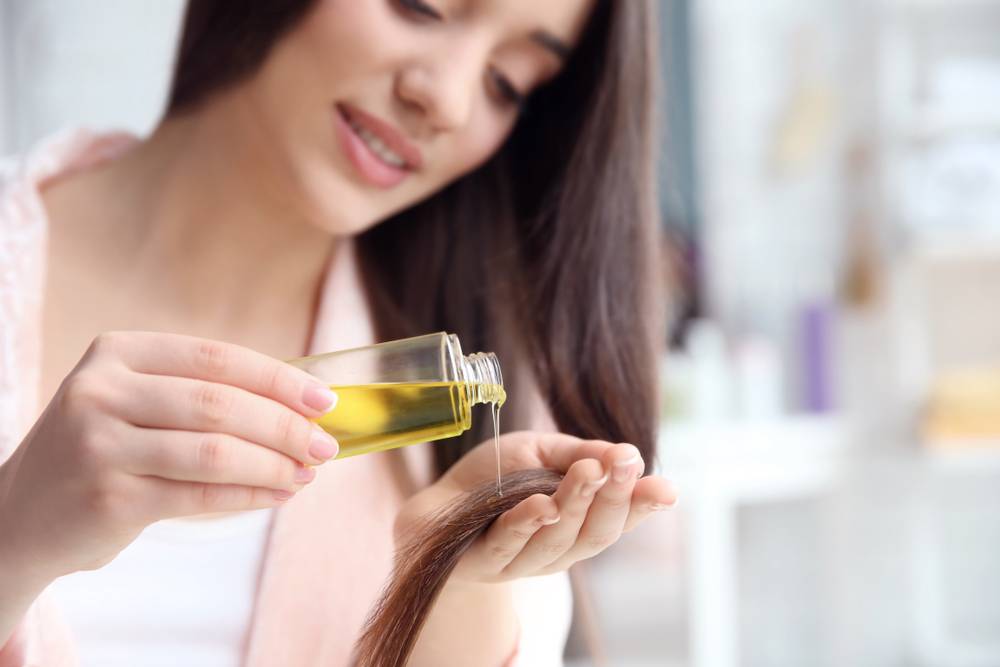
Oils, whether essential or vegetable-based, are valuable allies for scalp care. Rich in fatty acids and vitamins, coconut oil, for example, deeply moisturizes and soothes irritations.
Other oils, such as aloe vera oil, have anti-inflammatory properties that soothe itching and redness.
Aloe vera: natural hydration
Aloe vera is a miracle ingredient for skin and scalp. Thanks to its high water and soothing properties, it hydrates, regenerates, and calms irritations. Its cooling effect provides real relief for sensitive or irritated scalps.
Natural acids to balance pH
The acidity or alkalinity of a product can influence the condition of our scalp. Natural acids, such as citric acid found in citrus fruits, can help balance the scalp's pH, thus preventing irritation and itching. These acids also have a purifying effect, ideal for gentle cleansing.
Plant-based active ingredients to strengthen and soothe
Plants are full of beneficial ingredients for our hair and scalp. Psoriasis, seborrhea, dandruff, and irritations can be alleviated with plant extracts such as chamomile, calendula, and rosemary, which soothe, purify, and strengthen the skin barrier.
How to incorporate these ingredients into your hair care routine?
Using products rich in natural active ingredients is one thing, knowing how to incorporate them effectively into your routine is another.
Choose a gentle and suitable shampoo
It is essential to choose a shampoo rich in natural active ingredients that respects the scalp's natural pH . Shampoos containing ingredients like aloe vera or coconut oil can gently cleanse while nourishing and soothing.
The importance of hair masks
A hair mask can be a real ally, providing an extra dose of nourishment and hydration. Enriched with oils and plant-based active ingredients, masks deeply nourish and strengthen the hair fiber .
Rinse and leave-in conditioner
Rinsing is a key step. Hard water can irritate the scalp. Using a rinse, such as diluted apple cider vinegar, can help balance the pH and add shine.
Leave-in treatments, meanwhile, provide a finishing touch to protect and hydrate hair throughout the day.
Tips for effective application
The effectiveness of products also depends on how they are applied. It is important to gently massage the scalp when applying shampoo or conditioner to stimulate blood circulation and promote the absorption of active ingredients. Furthermore, respecting the recommended application time for each product helps to maximize its benefits.
Let's not forget that every scalp is unique. It's therefore essential to listen to its needs and adapt accordingly. Natural ingredients offer a multitude of possibilities for creating a personalized routine that respects both our well-being and the environment.
Precautions to take and mistakes to avoid
While using natural ingredients has many benefits for the scalp, it is essential to know the right practices to maximize the benefits while avoiding certain pitfalls.
Understanding your skin type and its needs
Identifying your scalp type —dry, oily, or combination—is crucial for choosing the right products. For example, an oil that's too rich can weigh down an oily scalp, while a drying product could worsen a dry condition. Itching, dandruff, and irritation are all signs to watch for to understand your skin's specific needs.
The temptation of excess: less is sometimes more.
Excessive use of certain products, even natural ones, can have a counterproductive effect . For example, shampooing too frequently, even with a gentle shampoo, can disrupt the natural sebum, causing excessive oil production or, conversely, a feeling of dryness.
Store your products properly
Most natural products, lacking chemical preservatives, have a shorter shelf life . It is therefore essential to store them in a cool, dark, and dry place. Furthermore, it is advisable to regularly check the expiration date and the appearance of the products to ensure their quality.
Perform a skin test before first use
Even if an ingredient is natural, it doesn't mean it's allergen-free. Before introducing a new product into your routine, it's recommended to do a small patch test on a discreet area to ensure no allergic reaction occurs.
In conclusion, the world of hair care is brimming with natural ingredients, each offering its own unique benefits and properties for our scalp. From nourishing coconut oil to the soothing effect of aloe vera, nature provides a range of options to meet everyone's specific needs. However, as with everything, the key lies in balance and understanding our individual needs.
Choosing natural products to care for your scalp means opting for gentle solutions that respect both your skin and the environment. However, it's essential to remember that every scalp is unique . What works for one person may not be suitable for another. That's why it's crucial to pay attention to the signals your skin sends, whether it's itching, irritation, or dandruff, and adjust your routine accordingly.
The judicious use of natural active ingredients, combined with a suitable routine, can transform the health of our scalp, bringing relief and comfort. And let's always remember to take precautions, such as performing skin tests, to avoid any potential adverse reactions. In the world of hair care, as in many other areas, information is power. Arm yourself with knowledge, listen to your body, and enjoy the benefits that nature has to offer.
We recommend these other pages:
- What are the different types of hair treatments for scalp irritation?
- How do specific hair treatments work on scalp irritations?
- Hair treatments for scalp irritations: are they suitable for all hair types?
- How to establish a skincare routine adapted to scalp irritations?
- How effective are dietary supplements in treating scalp irritations?


