
What are the medical treatment options for relieving scalp psoriasis?
Scalp psoriasis is a skin condition that causes red patches, scales, and itching on the scalp. While some may mistake it for other conditions such as eczema or seborrheic dermatitis, its symptoms and treatments are distinct. This condition can significantly impact patients' quality of life, sometimes making even simple shampooing painful or uncomfortable. Fortunately, dermatology has evolved and now offers a diverse range of treatments , from topical products like medicated shampoos enriched with vitamins to more advanced therapies such as phototherapy.
On this page, we will explore the various medical treatment options available to relieve scalp psoriasis, emphasizing the importance of a personalized approach and the potential beneficial effects of each method.
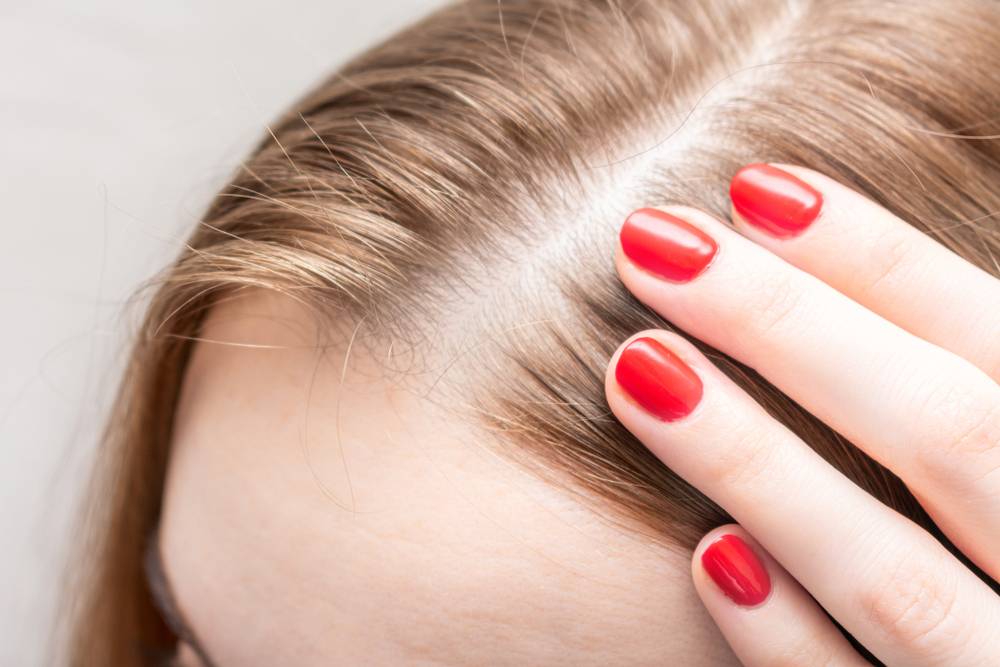
The basics of scalp psoriasis
Psoriasis is a chronic skin condition that, when it affects the scalp, presents particular challenges for patients. Red patches, scales, and itching are often common symptoms. These lesions can sometimes extend beyond the hairline, which can be a source of concern for the aesthetic and psychological well-being of those affected.
Unlike other skin conditions such as eczema or seborrheic dermatitis, scalp psoriasis is characterized by thick, silvery plaques that can cover the hair and make hair care difficult. Using a simple shampoo can be a challenge, as many products worsen the symptoms.
The exact cause of psoriasis remains unknown, but the disease is often linked to an overactive immune response. Therefore, accurate diagnosis by a dermatologist is crucial. These experts can differentiate psoriasis from other skin conditions based on distinctive signs and guide patients toward the most appropriate treatments.
It is also important to note that psoriasis can be associated with other health problems, such as psoriatic arthritis .
Topical treatments for psoriasis
When discussing scalp psoriasis, topical treatments are often the first line of treatment recommended by dermatologists. These products are formulated specifically for the scalp and aim to reduce symptoms, including plaques, itching, and scaling.
Topical corticosteroids are commonly prescribed for scalp psoriasis. These medications aim to reduce inflammation and soothe lesions . They are effective, but prolonged use can cause side effects; therefore, consulting a dermatologist is essential to ensure safe use.
Vitamin D analogues, such as calcipotriol, are another common treatment option. These products have a soothing effect on the skin, reducing itching and the appearance of plaques.
Medicated shampoos are another approach to treating scalp psoriasis. They are designed to treat the condition while gently cleansing the hair. While effective, it is essential for patients to follow the usage instructions to ensure their safety and effectiveness.
Finally, some psoriasis patients may benefit from adding oils or emollients to their skincare routine . These products help moisturize the skin, thus reducing flaking and itching. They can be applied directly to the scalp or diluted in water for a gentle rinse.
Systemic treatments for psoriasis
For some patients, scalp psoriasis can be particularly severe or resistant to topical treatments. In these cases, doctors may recommend systemic treatments, which act on the entire body to treat the disease at its source.
Systemic medications are often taken orally or administered by injection . They target the immune system, which is overactive in patients with psoriasis . By modulating this immune response, these treatments reduce inflammation, plaques, and other symptoms associated with the disease.
Methotrexate is among the systemic medications commonly prescribed for psoriasis. It works by inhibiting the rapid growth of skin cells , a key factor in psoriasis. However, due to potential side effects, regular medical monitoring is necessary when taking this medication.
Biologics, such as TNF inhibitors, are newer treatments that target specific proteins involved in inflammation. These medications are often recommended for moderate to severe forms of psoriasis that have not responded well to other treatments.
Managing side effects and monitoring overall health are essential when using systemic treatments. Therefore, close collaboration with a dermatologist is crucial. This dermatology specialist will be able to provide guidance on dosage, treatment duration, and potential drug interactions.
It is worth noting that some patients with scalp psoriasis may also suffer from other conditions, such as psoriatic arthritis . Systemic treatments can also be beneficial for these associated diseases, thus offering an overall improvement in health and quality of life.
Light therapies and their effects on psoriasis
Light therapies, often called phototherapy, represent an innovative approach to treating scalp psoriasis. These treatments use specific wavelengths of light to target and treat psoriasis lesions. The scalp, like other affected areas, can respond favorably to these therapies, providing relief for many patients.
One of the most common forms of phototherapy for treating psoriasis is ultraviolet B (UVB) light. UVB rays penetrate the skin's surface and can reduce inflammation, slow the excessive growth of skin cells , and decrease itching. While UVB therapy is effective, it is important for patients to consult a doctor or dermatologist before beginning treatment. These healthcare professionals can adjust the duration and intensity of each session to maximize benefits while minimizing risks.
PUVB (UVA phototherapy combined with psoralen) is another treatment option. Here, patients take a photosensitizing drug before exposure to UVA light, thus amplifying the therapeutic effect on the skin.
It is crucial to note that, while phototherapy can offer significant relief, it does not cure psoriasis. However, it helps manage symptoms and improve patients' quality of life . Furthermore, like any treatment, phototherapy has its own side effects, such as an increased risk of sunburn or premature skin aging, hence the importance of close collaboration with a dermatologist who can guide the patient through the various stages of treatment.
We recommend these other pages:


