
What are the differences between scalp irritation, psoriasis, and hair eczema?
Within the broad field of dermatological conditions, problems specifically related to the scalp are not uncommon. These not only impair quality of life due to their discomfort but can also lead to complications if not properly understood and managed. Among these disorders, scalp irritation, psoriasis, and eczema of the scalp are the most frequently encountered. While these conditions may initially appear similar, they are in fact distinct, characterized by specific symptoms, causes, and therapeutic approaches.
On this page, we will attempt to demystify these three conditions, thereby facilitating their recognition and management.
Definitions and symptoms of scalp irritation, psoriasis, and hair eczema
In our quest to understand the fundamental differences between scalp irritation, psoriasis, and hair eczema, it is imperative to begin with a deep exploration of the definitions and symptoms that characterize each of these conditions.
Scalp irritation is often an inflammatory reaction that can be triggered by a myriad of factors, such as harsh hair products or inadequate hygiene. This condition typically manifests as itching, redness, and a feeling of tightness. In some cases, there may also be signs of mild flaking.
In parallel, scalp psoriasis is a chronic skin condition characterized by the appearance of thick, scaly, often silvery plaques that can be both painful and itchy. Although it is a long-term condition, the symptoms can fluctuate in severity over time .
Finally, scalp eczema, also known as seborrheic dermatitis, is a chronic skin inflammation that often affects the scalp, manifesting as areas of redness, itching, and dandruff. This condition can be exacerbated by factors such as stress , seasonal changes, or the use of unsuitable hair products.
Causes and risk factors of these conditions
To deepen our understanding of the scalp disorders we have identified, it is essential to explore the underlying causes and risk factors that may predispose a person to these conditions.
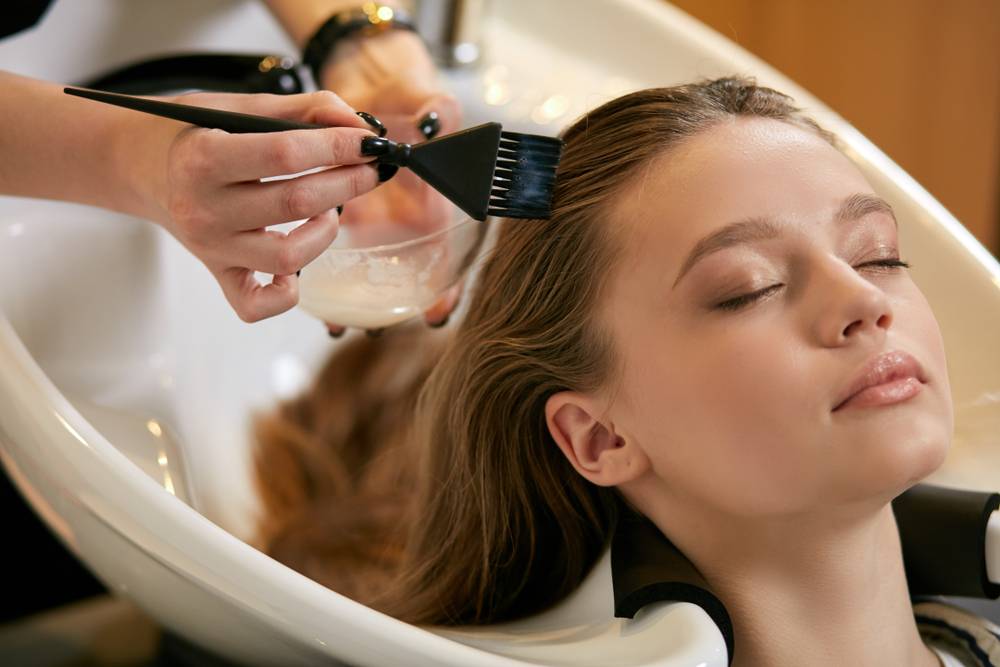
Scalp irritation can often be attributed to a reaction to chemicals found in shampoos, hair dyes, or other hair care products. Additionally, environmental factors such as low or high humidity , or stress, can also trigger it. This condition can sometimes be an isolated reaction, but it can also be a sign of more widespread skin sensitivity.
In the case of scalp psoriasis, the causes are more complex. Although the exact reasons remain somewhat enigmatic, it is known that this condition is often linked to an overactive immune response in the body , which leads to an accelerated production of skin cells. Genes also play a significant role, as they can increase a person's susceptibility to developing this disease.
Scalp eczema is distinguished by its tendency to occur in conjunction with excessive sebum production , a natural oil produced by the skin. External irritants, such as yeast, can also exacerbate this condition. It should be noted that factors such as genetics and hormonal fluctuations can also be contributing factors.
Diagnosis and treatment to preserve the scalp
Navigating the complexities of scalp disorders requires not only a thorough understanding of symptoms and causes, but also a clear grasp of diagnostic and treatment strategies.
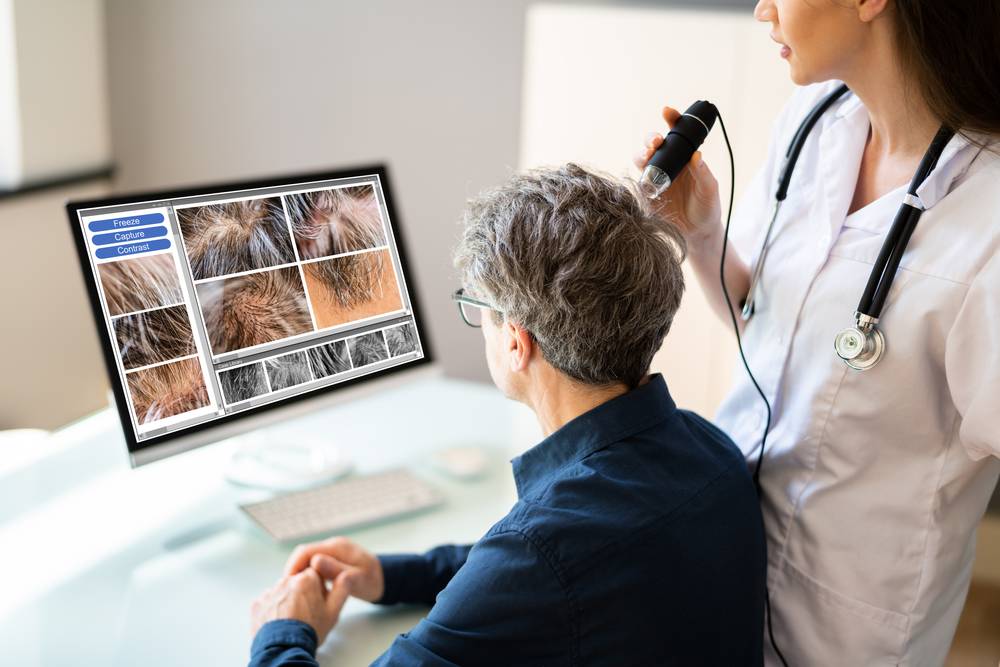
When diagnosing these conditions, a healthcare professional may begin with a physical examination of the scalp to assess the nature and extent of the symptoms present . In the case of scalp irritation, the diagnosis is often clinical, based on visible signs and the patient's medical history. Laboratory tests are generally not necessary.
For scalp psoriasis , the process may involve a more thorough examination. Sometimes, a dermatologist may even perform a skin biopsy to confirm the diagnosis, thus ruling out other skin conditions that can present similar symptoms.
In the context of scalp eczema, a healthcare professional can identify this condition based on its distinctive clinical characteristics , beginning with the overproduction of sebum. Occasionally, however, further testing may be necessary to rule out other scalp disorders.
Once a diagnosis is made, developing a treatment plan is the next crucial step. Treatments for scalp irritation may include changes in hair care habits and the use of specific medicated shampoos. For psoriasis, solutions may include topical therapies, systemic medications, or even phototherapy. Finally, for scalp eczema, management strategies involve the use of anti-dandruff shampoos, topical treatments, and dietary modifications to reduce inflammation.
We recommend these other pages:


