
How important is a hair treatment routine tailored to the scalp?
Every head of hair is unique. But just as the skin on our face needs specific care, our hair also deserves special attention . The key? A customized hair care routine. Too much sebum or, conversely, dry and damaged hair are often the result of improper product use or unsuitable treatments. The water used for rinsing, the type of shampoo, or even scalp exfoliation—every detail counts for the health and beauty of your hair. So, how do you choose between an oil, a mask, or a range of organic shampoos to deeply moisturize or treat dandruff?
On this page, we'll explore the importance of a hair care routine tailored to each scalp type , from choosing the right shampoo to using sprays and creams. You'll also discover tips for maximizing the effects of these products.
What are the different hair types for which treatment is appropriate?
Understanding the unique nature of your hair is a fundamental step in selecting the most suitable hair products.
First, the scalp has its own ecosystem. Sebum production, for example, determines our hair type. Dry hair, for instance, can result from low sebum production, thus requiring treatments enriched with oils and creams to compensate for the lack of hydration. Conversely, excess sebum can lead to oily hair , requiring shampoos specifically formulated to balance oil production .
The very structure of the hair also reveals its type. Tight, curly curls require dedicated hair products to define and hydrate, while fine hair needs volume through a specific range of shampoos and sprays. Damaged lengths and ends also require deep conditioning, such as professional masks or creams.
Furthermore, the scalp can be prone to various conditions, such as dandruff, resulting from skin that renews itself too quickly or from an imbalance. Exfoliating the scalp, followed by rinsing with lukewarm water, can be beneficial in removing these dead skin cells.
How to choose a hair treatment that is suitable for your scalp type?
When discussing hair beauty, harmony between the hair and scalp is paramount. This harmony, however, relies on a routine tailored to each scalp type .
To begin, observing your hair is a crucial step. The scalp, just like the skin on your face, has distinct needs. If your roots get oily quickly, your scalp may be producing excess sebum. In this case, a balancing shampoo is ideal for normalizing this production . Conversely, dry or damaged hair often indicates a lack of hydration. Here, oil or a professional hair mask will prove to be your allies.
The condition of your hair ends can also guide your choice. Split or damaged ends require targeted care, such as repairing creams or sprays. Curls, on the other hand, benefit from a specific range of products to define and hydrate them.
The presence of dandruff, a sign of accelerated scalp cell turnover or an imbalance, should prompt the use of medicated shampoos and treatments. Exfoliating the scalp, followed by a gentle rinse with lukewarm water, can help maintain healthy hair.
Hair treatment: what are the benefits of specific shampoos and conditioners?
Just like skin, hair has needs that fluctuate depending on its type, health, and environmental factors. This is where the magic of specific shampoos and conditioners comes in.
When we talk about specific shampoos, we're referring to products designed for particular needs. For example, for those struggling with an oily scalp due to excess sebum production , there are balancing shampoos. These target and regulate sebum, thus preventing the "greasy hair" effect at the end of the day. On the other end of the spectrum, dry or damaged hair requires deep hydration. Moisturizing shampoos, rich in oils and creams, work to restore the hair's moisture balance, giving it a revitalized and radiant appearance.
Conditioner, on the other hand, is often seen as the finishing touch, but it's much more than that. It seals in moisture, ensures easy rinsing, and prepares the hair for styling. A defining conditioner can transform unruly curls into well-defined spirals .
Beyond their immediate effect, these professional hair products work deep down. They protect hair from external aggressors, balance the scalp's pH, and strengthen the internal structure of each hair. This specific care routine ensures healthy hair.
How to use masks for a deep hair treatment?
Hair masks are essential components of an effective hair care routine. These products are formulated with powerful ingredients that target and treat specific hair concerns, providing a deep-penetrating intervention that shampoos and conditioners simply can't match.
When hair appears dry, damaged, or lacks volume , it's often recommended to incorporate a suitable mask into your routine. But how do you use these products to get the best results? The first step is to choose a mask suited to your hair type. For example, a moisturizing mask is ideal for dry hair, while a specific oil- or cream-based product is recommended for curly hair.
After shampooing with a gentle shampoo, generously apply the mask to your entire head of hair, paying particular attention to the ends and lengths. Leave the product on. Some masks require only a few minutes, while others, more intensive, can be left on overnight for deep hydration. Warm water can also help open the hair cuticles, allowing the product to penetrate more effectively. Rinse thoroughly to avoid leaving any residue .
Beauty professionals often recommend incorporating this step into your hair care routine once a week. To maximize the mask's effect, it's also advisable to follow up with an oil or serum that seals in moisture.
Be aware that hair masks aren't just for hydration. Some treat dandruff, regulate scalp sebum, or even strengthen the hair fiber. It's therefore essential to carefully read the instructions for each product and follow the advice to ensure healthy hair.
Why include hair oils in your hair treatment routine?
Incorporating hair oils into your hair care routine is an age-old practice, used for generations to nourish, protect, and revitalize hair. These natural products offer substantial benefits that can transform the health and beauty of your hair.
One of the major advantages of hair oils lies in their ability to deeply moisturize. For dry or damaged hair, a hair oil can work wonders , sealing in moisture and preventing breakage. It can also be effective for the scalp, where it regulates sebum, hydrates the skin, and prevents dandruff.
Oils are also essential after shampooing or intensive treatment. They act as a protective shield, locking in the benefits of the treatment and keeping external aggressors at bay. The ends of the hair, often the most exposed to the elements and damage, greatly benefit from this protection, preventing dryness and split ends.
Depending on your hair type, different oils may be more suitable . Curly hair, for example, benefits greatly from rich, thick oils that help define curls and reduce frizz. Conversely, a lighter oil is ideal for fine hair that needs volume.
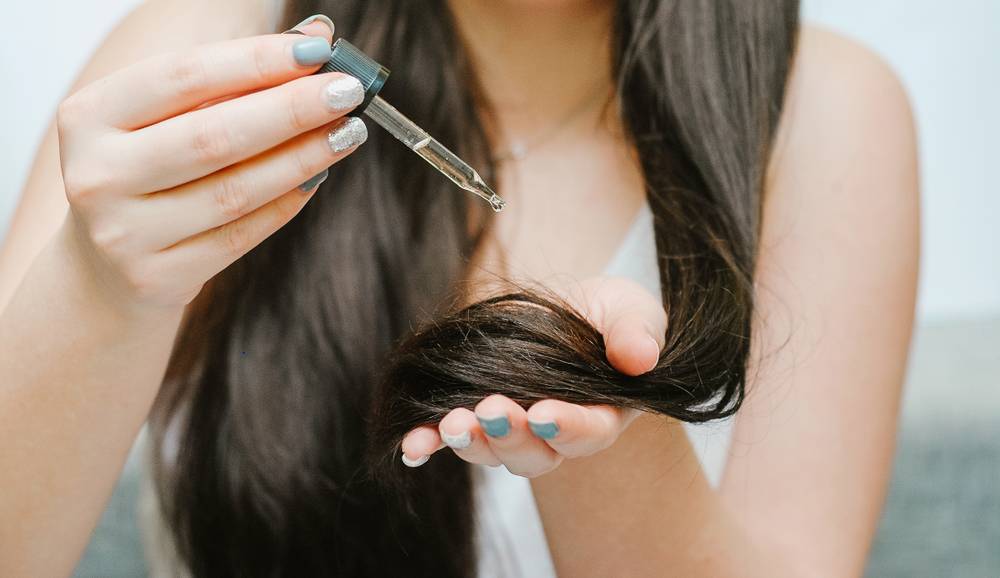
Using hair oils is simple, but it must be methodical to maximize the effects. After thoroughly rinsing out your shampoo or mask, apply a few drops of oil to the lengths and ends of your hair, avoiding the scalp if you tend to have oily hair.
Hair care: how to adapt washing to scalp type?
Washing your hair is a fundamental step in our beauty routine, but it's crucial to adapt it to your scalp type. Every scalp is unique and requires specific care and products.
People with oily scalps produce excess sebum, which can give their hair a shiny appearance. For them, a specific shampoo designed to regulate sebum production can be beneficial. Additionally, a vinegar rinse can help balance the scalp's pH , thus limiting sebum production. However, it's advisable not to wash your hair every day, as this could further stimulate sebum production.
Conversely, a dry scalp can lead to itching and dandruff. To treat this type of scalp, opt for moisturizing shampoos and oil-rich treatments. Using hair oils, such as coconut or argan oil, before shampooing can provide deep hydration and protect the scalp during washing. After shampooing, a moisturizing hair mask can also be applied, especially to the lengths and ends, to deeply nourish dry or damaged hair.
For scalps prone to dandruff, there are shampoos specifically formulated to treat this problem. These products often contain antifungal ingredients that help eliminate dandruff and soothe the scalp.
People with curls or wavy hair may want to consider using gentle shampoos and moisturizing treatments to redefine their curls and reduce frizz. A soft brush is also recommended for detangling wet hair without causing breakage.
Finally, regardless of your scalp type, rinsing is a crucial step. Make sure to remove all product residue to avoid weighing down your hair or irritating your scalp.
Hair treatment and hydration: what are the benefits for the scalp?
Hydration is a fundamental element of any hair care routine , as it plays a crucial role in the health and beauty of the hair and scalp. Understanding its benefits can guide us in choosing the right products and establishing an effective routine for our hair.
First, a well-hydrated scalp is the first step towards healthy hair. The skin on our scalp, just like the skin on our face, needs regular hydration. A dehydrated scalp can therefore produce excess sebum in response, leading to oily hair from root to tip.
Regular use of a good moisturizing shampoo suited to your scalp type can work wonders. Combined with a rich hair mask, this step ensures deep hydration for damaged hair.
Hair oils, on the other hand, can seal in moisture, especially on the lengths and ends. These natural products, such as argan or coconut oil , can be incorporated into your weekly routine.
Hydration is also beneficial for those with curls. Curly hair tends to be drier and lose its shape when dehydrated. A good moisturizing treatment helps redefine curls and reduce frizz.
Hydration isn't just about using products. Water is, of course, the primary hydrating element. Therefore, the rinsing step after shampooing or using a hair mask is essential. It removes product residue while ensuring that the hair and scalp receive the necessary moisture.
To complete your moisturizing routine, remember to exfoliate your scalp from time to time. This helps remove dead skin cells and promotes better absorption of moisturizing products.
How important is pH balance for hair treatment?
pH balance is an often overlooked aspect of hair care, but it plays a crucial role in the health and beauty of hair.
pH, which measures the acidity or alkalinity of a substance, directly affects the scalp and hair. Generally, the skin has a slightly acidic pH , between 4.5 and 5.5. This environment helps maintain a healthy scalp by controlling sebum production and preventing the overgrowth of bacteria and fungi.
When we use hair products, especially shampoos, that don't respect this balance, it can disrupt the scalp's natural pH. The consequences? A dry scalp, dandruff, increased sebum production, and even damaged, brittle hair.
High-end professional shampoos take into account the importance of pH balance . They are formulated to be in harmony with the natural pH of the scalp and hair, thus guaranteeing their beauty and health.
But besides choosing the right shampoo, the rinsing step is also crucial. Water, while essential, often has a neutral or alkaline pH. Therefore, using an acidic treatment, such as a hair mask or a spray made with apple cider vinegar, can help restore the pH balance after washing.
Furthermore, for people with curly hair, pH is especially crucial. Curly hair with an unbalanced pH can not only lose its shape but also become dry or frizzy . A hair care routine focused on pH balance can make all the difference in curl definition.
We recommend these other pages:


