How effective are dietary supplements in treating scalp irritations?
Having healthy hair is often seen as a sign of well-being and vitality . The scalp, as the foundation of our hair, plays a crucial role in its health. However, irritations can sometimes occur, making daily life unpleasant.
Faced with these problems, numerous treatments are offered as solutions , including dietary supplements. But how effective are they really? Are they a viable answer to scalp issues? Let's delve into the heart of the matter, separating fact from fiction, and evaluating the effects of dietary supplements on our scalp.

Understanding scalp irritations: causes and symptoms
Scalp irritation is a common problem that many people experience. Understanding the causes and symptoms is the first step towards a suitable solution.
Nature of the scalp and its needs
The scalp is an extension of our skin. Just like the skin, it needs hydration, care, and attention . Hair grows directly from the scalp, making an adequate supply of nutrients vital for healthy hair. A suitable routine is essential to meet these needs.
Common causes of irritation
Several factors can cause scalp irritation. Frequent use of unsuitable products, particularly harsh shampoos or conditioners, can be a cause.
Similarly, an imbalance in sebum production, often triggered by stressors or environmental conditions such as hard water, can be a source of problems.
Associated symptoms
Scalp irritation often manifests as itching. This can be accompanied by dandruff, a sign of an irritated scalp. Sometimes, excess sebum or, conversely, excessive dryness may be observed, impairing hair health and causing hair loss or loss of vitality.
By understanding these key elements, it is easier to choose appropriate treatments , such as dietary supplements, to restore the health of our scalp.
Dietary supplements: which active ingredients are good for the scalp?
The promise of dietary supplements is enticing, especially when looking for a remedy for scalp irritation. But to judge their effectiveness, it's essential to know the active ingredients they contain.
Vitamins for hair vitality
One of the main advantages of scalp supplements is their vitamin content . Vitamins play a vital role in hair growth. Vitamin E, for example, promotes blood circulation in the scalp, ensuring better nourishment of the hair follicles. Vitamin A, meanwhile, is crucial for sebum production, which can help reduce irritation and dryness.
Minerals to strengthen the hair structure
In addition to vitamins, dietary supplements also contain essential minerals . Zinc, for example, is known for its effects on hair loss and scalp problems such as dandruff. Iron, meanwhile, is essential for hair growth and renewal.
Natural ingredients to soothe and nourish
Many dietary supplements contain naturally derived ingredients, such as castor oil or aloe vera . These components have soothing and nourishing properties for the scalp. They can therefore help reduce itching and inflammation, while providing the necessary hydration .
Advantages and disadvantages of scalp supplements
Dietary supplements offer numerous benefits for those seeking to improve their scalp health. However, like any treatment, they have their limitations.
The benefits for hair
One of the main advantages of dietary supplements is their ability to provide a comprehensive solution for hair health. By working from within, they supply the body with essential nutrients for healthy hair and a soothed scalp. With regular use , it is possible to notice a reduction in itching, a decrease in hair loss, and an improvement in overall hair quality.
The limits of the action of supplements
While beneficial, dietary supplements are not miracle cures. They cannot replace a suitable hair care routine, including specific shampoos and treatments.
Furthermore, the effects of dietary supplements can vary from person to person . For some, the results can be impressive, while for others, the benefits may be more subtle.
Possible side effects
Like any ingested product, dietary supplements can have side effects. It is therefore essential to carefully read reviews and consult a healthcare professional before starting any treatment. Some supplements may interact with medications or cause allergic reactions.
By weighing the pros and cons of dietary supplements, everyone can assess whether they are the right solution for their scalp problems. But it's essential to remember that, just like shampoo or conditioner, dietary supplements should only be one element of a complete hair health routine.
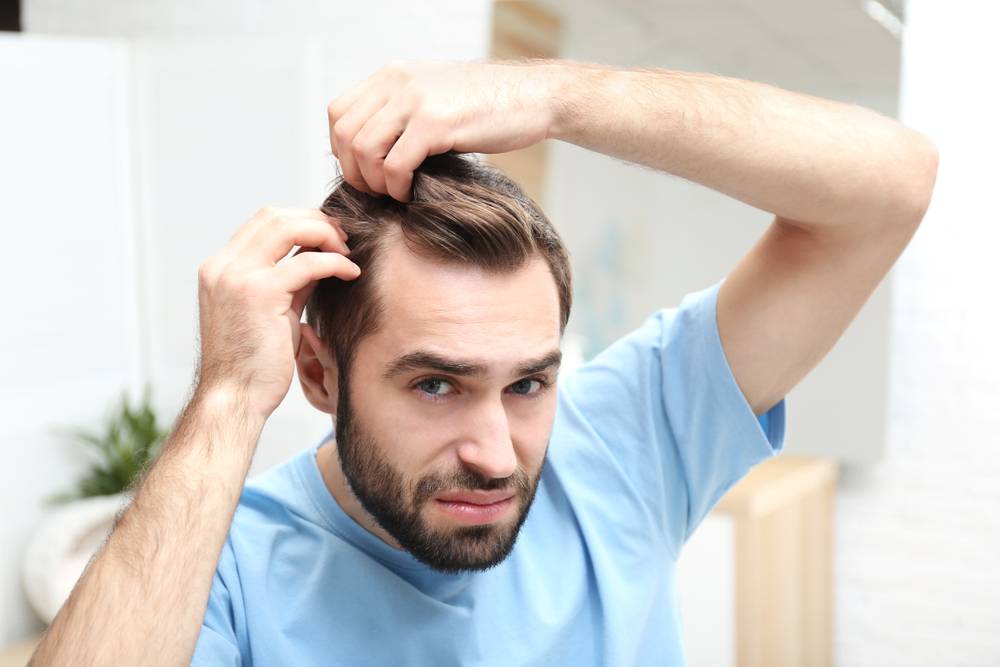
How to incorporate dietary supplements into your hair care routine?
Introducing dietary supplements into your routine may seem simple. However, to get the maximum benefit, it is crucial to follow a few essential steps.
Assessing your scalp's needs
Before rushing to buy the first dietary supplement you see, it's essential to assess the condition of your scalp. Is itching the only problem? Are you also experiencing dandruff or significant hair loss? This assessment will help you choose a supplement that specifically targets your concerns.
Consult a healthcare professional
Even though many supplements are available without a prescription, it's always wise to consult a dermatologist or trichologist before starting any treatment. These experts can advise on the most suitable product and determine the correct dosage.
Follow a suitable hair care routine
Dietary supplements are an excellent addition to a hair care routine, but they don't replace it. It's therefore essential to continue using suitable shampoos and conditioners. If your scalp is irritated, opt for a gentle shampoo without harsh ingredients. And don't forget to moisturize with a good hair mask or natural oil.
Patience and consistency
Dietary supplements don't produce results overnight. Regular use and patience are necessary. Generally, the first beneficial effects begin to appear after a few weeks or months.
In conclusion, the scalp, this often-forgotten part of our hair care routine, plays a vital role in the overall health of our hair. Irritation, itching, and other discomforts can quickly become a daily ordeal. In this quest for relief, dietary supplements prove to be invaluable allies. By providing our body with the vitamins, minerals, and other active ingredients it needs, these supplements work from within for a comprehensive effect.
As with any skincare routine, effectiveness lies in consistency and adapting to individual needs . Whether it's choosing the right dietary supplement, the gentlest shampoo, or the best moisturizing oil, every step counts. The health of our scalp and hair depends on it.
Finally, let's remember that everyone is unique. What works for one person may not work for another. That's why, despite opinions and testimonials, listening to your body remains the best strategy for finding the ideal hair care routine.
We recommend these other pages:
- What are the different types of hair treatments for scalp irritation?
- How do specific hair treatments work on scalp irritations?
- Which natural active ingredients should you choose for a soothing treatment for scalp irritations?
- Hair treatments for scalp irritations: are they suitable for all hair types?
- How to establish a skincare routine adapted to scalp irritations?