What role does the immune system play in the development of scalp psoriasis?
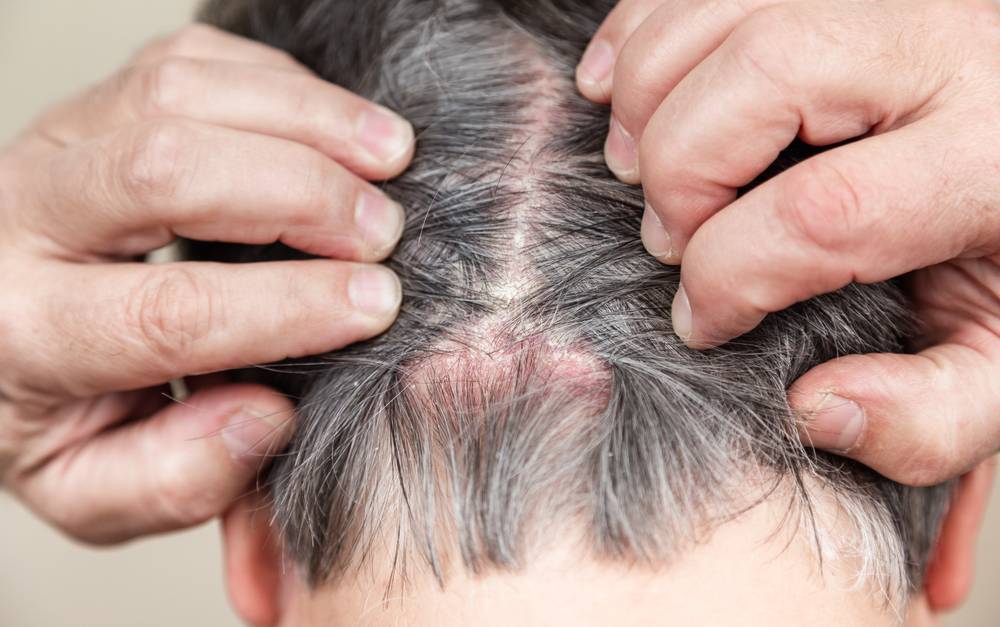
Psoriasis is a chronic skin condition that can manifest in various forms, including red, scaly patches. Among the affected areas, the scalp is often impacted, presenting symptoms such as itching and lesions. But what role exactly does our immune system play in the development of scalp psoriasis? While stress and infections can exacerbate the condition, research increasingly points to immune-related factors.
Throughout this page, we will explore the intricacies between scalp psoriasis and our defense system.

Understanding the immune system
Even though skin symptoms such as those found on the scalp appear to be only superficial, the underlying cause of psoriasis is actually found in our immune system.
The immune system's primary role is to defend the body against infections and external threats. However, in some cases, such as psoriasis or eczema, it can misinterpret signals and attack the body's own cells . These conditions, known as autoimmune diseases, cause chronic inflammation. In the context of psoriasis, this inflammation primarily affects the skin, leading to the formation of scaly plaques, particularly on the scalp.
Several factors can worsen psoriasis, from stress and sun exposure to certain infections. While these elements play a role in the manifestation of symptoms, the true driving force of the disease lies in the immune system's overreaction . This hyperactivity accelerates the skin cell renewal cycle, leading to the appearance of plaques.
Itching, one of the most common patient complaints, is often the result of skin inflammation. Furthermore, the effect of the microbiota on immunity is also being studied to understand its role in skin diseases such as psoriasis.
The diagnosis of psoriasis relies on observing skin lesions, but also on a thorough understanding of the patient's immune system. Treatments aim not only to relieve surface symptoms, such as plaques on the scalp, but also to modulate the immune system to reduce the underlying inflammation.
Chronic inflammation and psoriasis
When discussing psoriasis, particularly visible manifestations such as plaques on the skin or lesions on the scalp, it is essential to understand the concept of chronic inflammation, a central phenomenon in this disease.
Inflammation is a natural response of our body to fight infection or repair damage. However, in certain conditions, such as psoriasis or eczema, this inflammation does not resolve properly , becoming chronic. This persistent inflammation is one of the main causes of psoriasis symptoms.
Thus, in the context of psoriasis, the skin is constantly in a state of alert . Immune system cells, in response to various factors such as stress or infections, can trigger ongoing inflammation. This chain reaction leads to accelerated skin cell turnover, resulting in the accumulation of dead cells on the surface.
The role of inflammation in psoriasis is not limited to the skin. This disease can affect other parts of the body, such as the nails and, in some forms of psoriasis, the joints. Itching, commonly experienced by patients, is another symptom triggered by inflammation of the scalp or other skin areas.
Current treatments for psoriasis primarily target inflammation. Some medications work by modulating the immune system's response , while others, such as zinc or oil-based products, offer natural anti-inflammatory properties to soothe the skin.
But the therapeutic approach to psoriasis doesn't stop at the visible symptoms. To offer patients a better quality of life, it's crucial to consider the health of the microbiota and other internal factors that can worsen inflammation.
Treatment and prevention: an immune perspective
Given the complexity of scalp psoriasis, various therapeutic approaches targeting immune mechanisms have been developed. First and foremost, it is important to highlight the advances in immunosuppressive drugs that modulate the body's immune response by inhibiting the action of overactive T cells, thereby minimizing the inflammatory symptoms that characterize this condition.
In parallel, the emergence of biological therapies has marked a significant turning point in the management of psoriasis. These treatments, often administered by injection, are designed to target specific molecules involved in inflammation, such as TNF-alpha and interleukins, thus offering a more targeted and potentially more effective therapeutic option .
From a preventative standpoint, it is crucial to discuss non-pharmacological measures that can contribute to the management of scalp psoriasis. A balanced diet, rich in anti-inflammatory nutrients, can play a protective role. Similarly, proper stress management, known for its potential to modulate the immune response, presents itself as a viable complementary strategy.
We recommend these other pages: