
Scalp psoriasis often causes itching and the appearance of scaly patches; symptoms can spread to the face, ears, or even the neck. Although this condition can be mistaken for simple dandruff or eczema, psoriasis requires following good practices to relieve inflammation and scaling.
On this page, we will explore the essential role of good hygiene and the importance of medical follow-up in the treatment of scalp psoriasis.

Understanding the pathology: scalp psoriasis
Scalp psoriasis manifests as red, scaly patches. It's important to note that symptoms often spread to the face or neck. Contrary to popular belief, it's not simply dandruff or eczema, but rather an autoimmune disease in which skin cells regenerate at an abnormally high rate .
One of the main causes of psoriasis lies in the immune system. Inflammation occurs when immune cells mistakenly attack healthy skin cells. This inflammation accelerates the skin cell lifecycle , leading to the formation of plaques. Stress, excessive sun exposure, or the use of certain medications can worsen this condition.
Itching, often intense, is one of the most bothersome symptoms for patients. Without proper treatment, the affected areas can become infected, increasing the risk of further complications. Furthermore, the quality of life of those affected can be significantly impacted, particularly due to the persistent discomfort and the unsightly appearance of the lesions.
In all cases, it is essential to consult a doctor to obtain an accurate diagnosis and begin appropriate treatment, which aims to relieve symptoms, reduce inflammation and slow down the overproduction of skin cells.
The importance of good hygiene in managing scalp psoriasis
Good scalp hygiene is essential for managing psoriasis, especially since the scalp is one of the sensitive areas where the appearance of plaques and itching can be particularly bothersome.
Regular shampoos or styling products can sometimes worsen symptoms. Therefore, choosing products specifically designed for this condition or recommended by a doctor can help relieve inflammation and reduce flaking.
Sun exposure, while beneficial for some forms of psoriasis, can have the opposite effect on the scalp. It is therefore essential to protect your skin and hair during prolonged exposure.
Maintaining proper hydration levels is also crucial. Using a moisturizing oil or cream can help prevent dryness and reduce itching. Water also plays a key role: thoroughly rinsing your hair after daily treatments helps remove product residue that could further irritate the scalp.
Unfortunately, even with impeccable hygiene, the lesions may not disappear completely. That's why regular follow-up with a doctor is essential to adjust the treatment according to the evolution of the symptoms .
The need for regular medical follow-up
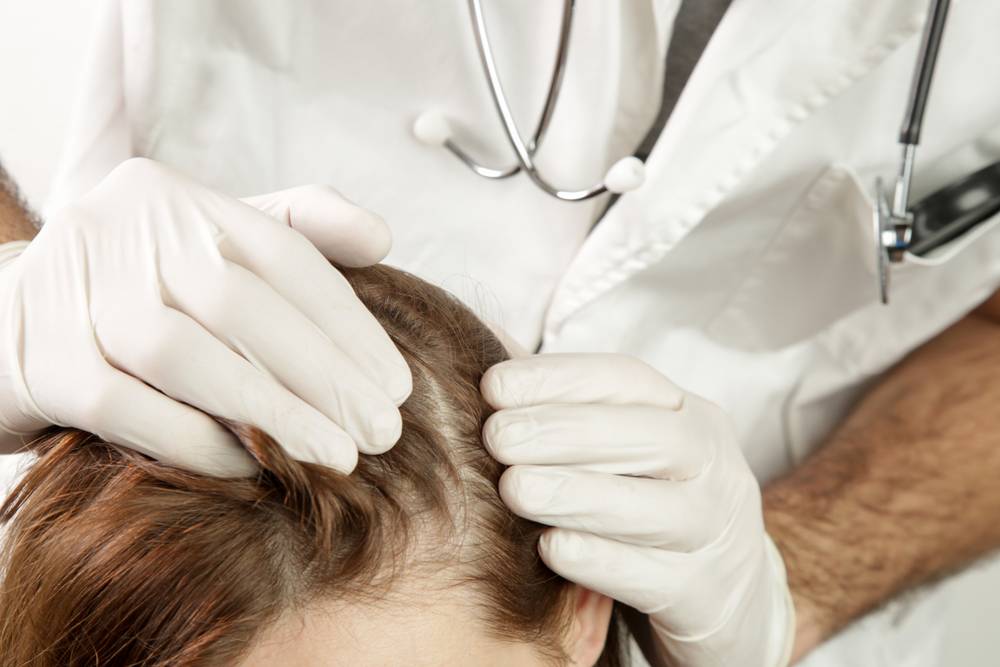
Scalp psoriasis is a chronic skin condition that, while not contagious, can profoundly impact patients' quality of life. Beyond visible symptoms such as plaques and itching, it can be accompanied by pain, discomfort, and cosmetic concerns, especially when the lesions spread to the face or other areas of the body. In this context, regular medical follow-up becomes essential for optimal management.
A specialist physician is best placed to assess the progression of symptoms , adjust ongoing treatments, and offer advice tailored to each patient. Indeed, the variability and severity of symptoms often necessitate adjustments to prescribed medications. Some patients develop resistance to a treatment, while others may experience side effects.
Furthermore, with time and medical advancements, new treatments may emerge. Regular medical follow-up allows patients to benefit from the latest innovations to relieve psoriasis symptoms. This includes new medications, topical creams, and recommendations for natural treatments, such as the use of soothing oils.
External factors such as stress , poor diet, or excessive sun exposure can also influence the onset and severity of symptoms . A doctor can offer advice on how to manage these triggers, thereby improving the patient's daily life.
Common medical treatments and their role against psoriasis
Scalp psoriasis is a skin condition that often presents challenges for both patients and doctors due to its recurring nature and its impact on the quality of life of those affected. Fortunately, medical advances have led to a variety of treatments that can help manage symptoms and, in some cases, induce remission.
Topical treatments are often the first line of defense for scalp psoriasis. These products are applied directly to the skin and include creams, ointments, and medicated shampoos. Among them, topical corticosteroids are frequently prescribed to reduce inflammation and itching. These medications work by decreasing the inflammatory response and slowing the rapid proliferation of skin cells characteristic of this condition.
For more resistant or widespread forms, doctors may recommend systemic treatments . These medications, often taken orally, affect the entire body. They work by modulating the immune system, which can help reduce inflammation and other symptoms of psoriasis. However, taking these medications can be associated with risks and side effects, requiring close medical supervision.
Phototherapy is another option for treating psoriasis. It involves the controlled exposure of the skin to UV rays or specific light sources. This method can help slow the growth of skin cells and reduce inflammation.
We recommend these other pages: