
What is scalp psoriasis?
Psoriasis is a chronic inflammatory skin condition known for its red, scaly patches. While it can appear on various parts of the skin, scalp psoriasis is particularly frustrating for many patients, causing itching, lesions, and even hair loss. Unlike seborrheic eczema, which can also cause itching and scaling, scalp psoriasis has distinct causes and symptoms that require specific treatments . Stress, a common trigger for flare-ups, often exacerbates the condition.
On this page, we will discuss the nature of scalp psoriasis, its causes, symptoms, available treatments, and tips for maintaining your hair health.
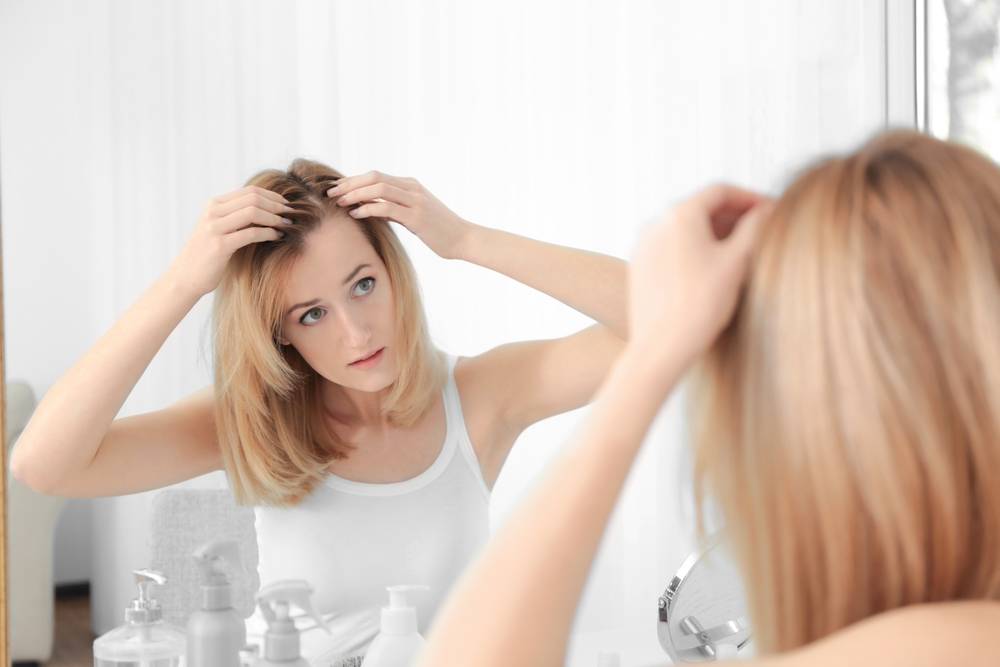
Understanding scalp psoriasis: definition and origins
Psoriasis is an inflammatory skin condition characterized by red patches and scales. When this condition affects the scalp, it can cause intense itching , flaking, and, in some cases, hair loss. It's not simply a matter of aesthetics or hair care; it's a medical condition that requires appropriate attention and management.
Unlike seborrheic eczema, which also affects the scalp with similar symptoms, psoriasis is an autoimmune disease. At the cellular level, it involves accelerated regeneration of skin cells, leading to the formation of plaques. These skin lesions are often the result of underlying inflammation.
Several factors can worsen or trigger psoriasis, such as stress. Although the exact causes of psoriasis remain partly unknown, it is known to result from a combination of genetic and environmental factors . For example, certain medications or hair products can aggravate the symptoms.
Scalp psoriasis is usually diagnosed by a dermatologist through a clinical examination. This examination is essential to avoid confusion with other skin conditions, such as seborrheic eczema . Once diagnosed, treatment focuses primarily on reducing inflammation and symptoms. Patients may use medicated shampoos or oils to relieve itching and reduce the appearance of plaques.
Hair loss, or alopecia, associated with scalp psoriasis is often temporary. Affected areas often regrow once the inflammation is under control . However, it is crucial to consult a healthcare professional for appropriate treatment and to avoid potential complications.
Everything you need to know about the symptoms and diagnosis
Scalp psoriasis traditionally presents with distinct symptoms that, while they may be similar to other skin conditions like seborrheic eczema, have their own unique characteristics. The scalp affected by this condition often presents with red patches and scales . These lesions can extend beyond the hairline, sometimes affecting the nape of the neck, the forehead, or even the ears.
Itching is a common symptom of scalp psoriasis and can be intense. It can lead to inflammation, exacerbating the condition and occasionally causing deeper lesions. In addition, temporary hair loss may occur, often due to excessive pulling or scratching of the affected areas. While hair loss is usually temporary, it can be a source of stress for patients , thus impacting their quality of life.
It is essential to distinguish scalp psoriasis from other hair diseases. For example, seborrheic eczema can cause itching and plaques, but the treatments for these two conditions differ. Therefore, an accurate diagnosis by a dermatologist is crucial.
The diagnosis of scalp psoriasis is primarily clinical. A dermatologist will examine the affected areas, assess the presence and nature of plaques and scales , and may ask about medical history and potential triggers. Although rare, a skin biopsy may sometimes be necessary to confirm the diagnosis, particularly if the symptoms are atypical or if the patient does not respond to standard treatments.
What treatments are available?
Scalp psoriasis, while challenging for many patients due to its distressing symptoms, is fortunately a condition for which various treatments have been developed. These treatments primarily aim to reduce inflammation, relieve itching, and prevent the formation of new plaques.
Topical treatments
These are the most commonly prescribed treatments for scalp psoriasis. Among them are medicated shampoos specifically designed to treat this condition. These shampoos may contain coal tar, corticosteroids, or other anti-inflammatory medications to reduce inflammation and plaques. Additionally, oils or lotions may be recommended to moisturize the scalp and soothe affected areas.
Systemic treatments
For more severe cases, or when psoriasis spreads beyond the scalp, oral or injectable medications may be prescribed. These act systemically, meaning they treat the entire body, not just the scalp.
Biological therapies
These treatments use proteins to target and neutralize the specific causes of inflammation in psoriasis. They are generally prescribed for moderate to severe forms of the disease.
Ultraviolet (UV) light treatments
Phototherapy, which uses ultraviolet light, can be effective for some patients. It is often combined with other treatments to increase its effectiveness.
It is important to note that the ideal treatment varies from patient to patient . What works for one person may not work for another. The response to treatment can also vary over time, requiring adjustments or a change in treatment.
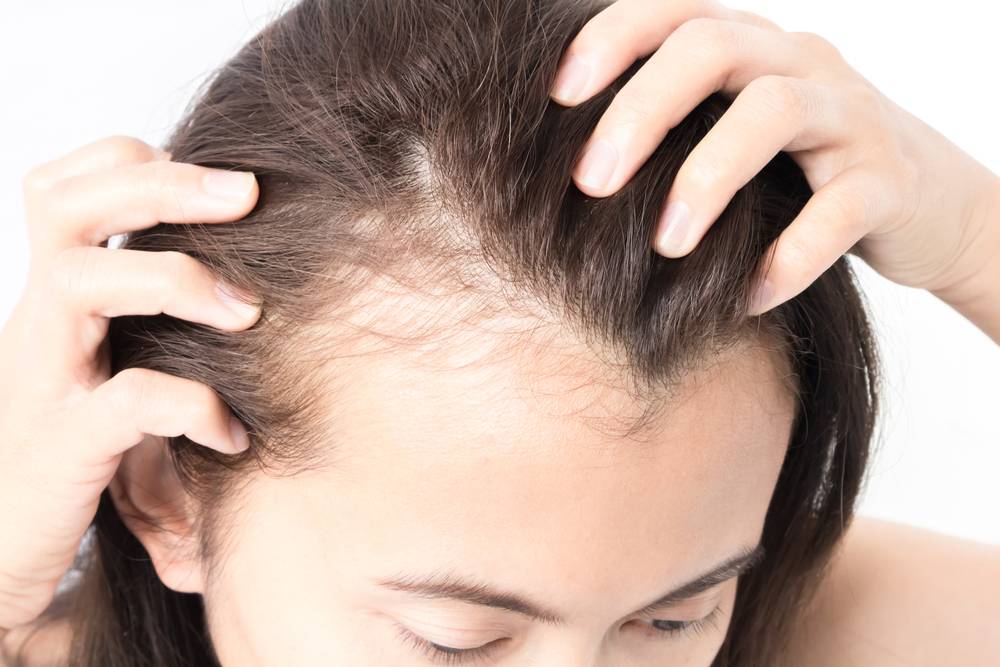
Prevention and advice for managing scalp psoriasis
Effective management of scalp psoriasis requires a combination of medication and lifestyle modifications. Although this skin condition is largely unpredictable and its exact causes remain unclear, several triggers and preventative methods have been identified.
Prevention
First, it's essential to understand that stress can worsen psoriasis . Managing stress properly can therefore help prevent flare-ups. People with psoriasis should also avoid harsh hair products. Opting for a gentle shampoo or one specifically formulated for psoriasis can help relieve symptoms. Avoiding external factors such as scalp injuries, which can cause the Koebner phenomenon (the appearance of psoriasis plaques in areas of broken skin), is also crucial.
Management advice
Applying warm oil to the scalp before shampooing can help loosen scales and moisturize the skin . Using topical treatments and products prescribed by a dermatologist is also essential for managing symptoms. For patients experiencing temporary hair loss associated with psoriasis, it is advisable to consult a specialist for hair solutions, such as treatments specifically formulated for alopecia.
We recommend these other pages:


