
Environmental factors that can cause scalp irritation
The scalp , like facial skin, has a natural protective system based on sebum. However, exposure to certain allergens or a change in hair care, such as using a new shampoo or treatment, can disrupt this balance . The same is true for external factors that we don't necessarily control. While it's essential to have an accurate diagnosis and choose a suitable treatment, understanding the external factors that irritate the scalp is just as crucial.
This page will explore environmental triggers, focusing on their impact and possible treatments.

Climate change
Climate change, with its variations in temperature and humidity, significantly impacts the health of our scalp and hair. Prolonged exposure to extreme temperatures, whether freezing cold or scorching heat , can disrupt the balance of sebum, the natural oil that protects and moisturizes the scalp. When this balance is compromised, symptoms such as itching, dandruff, or even eczema can appear.
Cold weather can cause dry skin , making the scalp more susceptible to external aggressors. This dryness can lead to conditions such as psoriasis or seborrheic dermatitis. Conversely, excessive heat causes an overproduction of sebum, creating an environment conducive to itching and dandruff . People with weakened immune systems or those undergoing certain treatments may also be more sensitive to these climatic variations.
Humidity also plays a crucial role in hair health. Air that is too dry can reduce the scalp's natural moisture, promoting the development of conditions like atopic dermatitis. At the same time, high humidity can lead to an overproduction of sebum , resulting in oily hair and an irritated scalp.
In addition, direct sun exposure without adequate protection can lead to a deterioration of scalp health, potentially exacerbating allergic reactions or symptoms of stress.
Air pollution
Air pollution is a growing problem in many of the world's major cities. Its harmful effects on respiratory health are widely proven, but it is less well known that this pollution can also directly affect the health of our scalp and hair. Indeed, the skin and scalp, as external barriers, are the first to come into contact with pollutants.
Fine particles in the air can accumulate on the scalp , disrupting the sebum balance. This can lead to excessive oil production, creating an environment conducive to seborrheic dermatitis, which causes itching, patches, and dandruff. Other pollutants, such as harmful gases, can trigger allergic reactions in some people, exacerbating symptoms similar to those of eczema or psoriasis.
Constant exposure to pollution can also weaken the skin's immune system , making it more susceptible to external aggressors and allergic reactions. This underscores the importance of accurate diagnosis and appropriate treatment for those living in areas with high pollution levels.
Furthermore, children, whose skin is more delicate, can be particularly sensitive to these effects. Special attention to hair care, especially avoiding products containing allergens, is therefore necessary for this age group.
Water and minerals
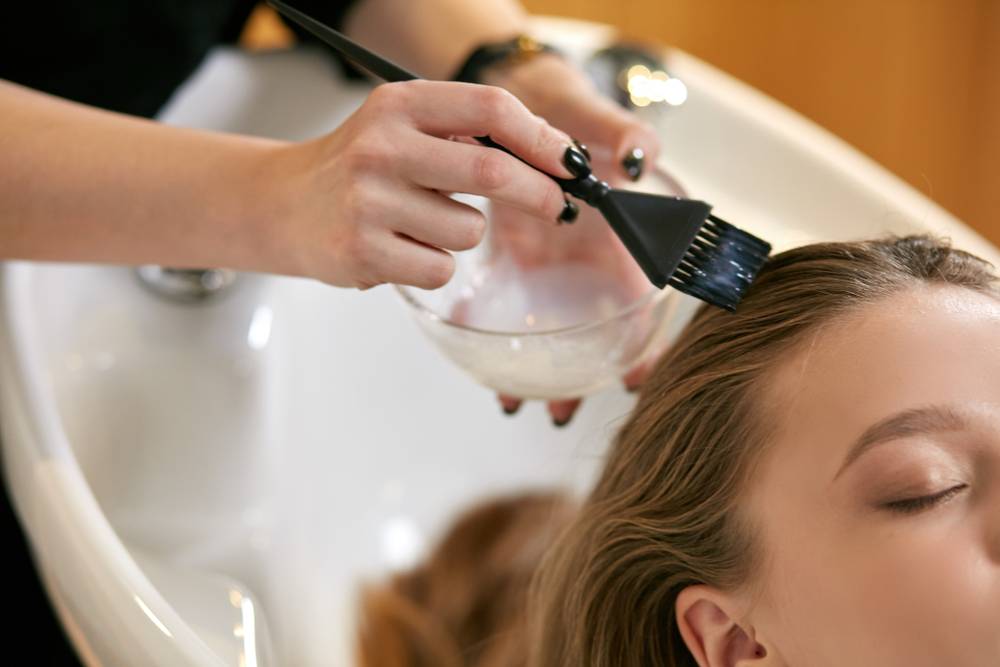
Water, although often considered a neutral element, is actually full of minerals that can influence the health of our scalp and hair.
Hard water is rich in minerals such as calcium and magnesium. These can accumulate on the scalp and hair, making it dull and difficult to style . More concerningly, this buildup can interfere with the scalp's natural sebum production, causing itching, dandruff, and even some forms of dermatitis. Symptoms similar to those of eczema or psoriasis may also occur in people predisposed to these conditions.
Frequent use of products such as shampoos and hair treatments can worsen this mineral buildup. Therefore, it is essential to choose products suited to your local water type. Some shampoos are specially formulated to combat the effects of hard water, helping to remove accumulated minerals and restore the scalp's natural balance.
Children, whose skin is still developing, can be particularly sensitive to these minerals. It is therefore all the more important to pay attention to the quality of the water they use to wash their hair. Accurate water quality testing and the use of appropriate treatments can help mitigate these effects.
Natural allergens
Our environment is full of natural allergens, often invisible to the naked eye, which can cause skin irritation, particularly on the scalp. Sensitivity to these allergens can cause a variety of symptoms in exposed individuals, ranging from mild itching to more serious conditions such as eczema or psoriasis .
The hair products we use, although designed to care for our hair and scalp, can sometimes contain allergens or interact with each other , thus exacerbating allergic reactions.
Children and the elderly, whose immune systems may be more sensitive or weakened, are often more vulnerable to these allergens. Dust, pollen, certain natural oils, and even pet dander can trigger an allergic reaction on the scalp upon exposure, leading to itching, rashes, and dandruff.
Understanding the type of allergy a person may have is crucial for choosing the appropriate treatment. A proper diagnosis helps identify the responsible allergen and select hair products free of irritating allergens. For example, someone allergic to pollen might benefit from shampoos and conditioners formulated without alcohol.
Daily exposure to these natural allergens, combined with the use of unsuitable products, can disrupt the natural sebum balance, leading to inflammatory scalp conditions. Therefore, it is essential to adopt a hair care routine that is mindful of these environmental factors to maintain scalp health.
We recommend these other pages:
- The role of stress and emotional disturbances on scalp irritations
- Scalp irritation: harsh chemical hair products
- The effects of an allergic reaction on scalp irritations
- Excess sebum in scalp irritation problems
- Scalp irritation and dry hair problems
- Scalp irritation related to the presence of dandruff


