
The effects of an allergic reaction on scalp irritations
The scalp, just like facial skin, can become sensitive or irritated due to numerous factors. Harsh shampoos, hair dyes, styling products, or even certain treatments can cause skin reactions.
These irritations can manifest as itching, redness, flaking, or a burning sensation. In some cases, these symptoms can be confused with other scalp problems such as dandruff, seborrheic dermatitis, or psoriasis.
Understanding the origin of these reactions allows for better protection of the scalp and the adoption of a more respectful hair care routine.
On this page, we will explore the effects of allergies on the scalp , their causes, and appropriate treatments.
Irritated or itchy scalp?
Itching, redness or flaking of the scalp often appears when the scalp is unbalanced or exposed to overly aggressive products.
In these situations, using gentle and soothing hair care products can help improve scalp comfort and limit irritation.
👉 Discover our gentle shampoo with 12 plants for sensitive scalps
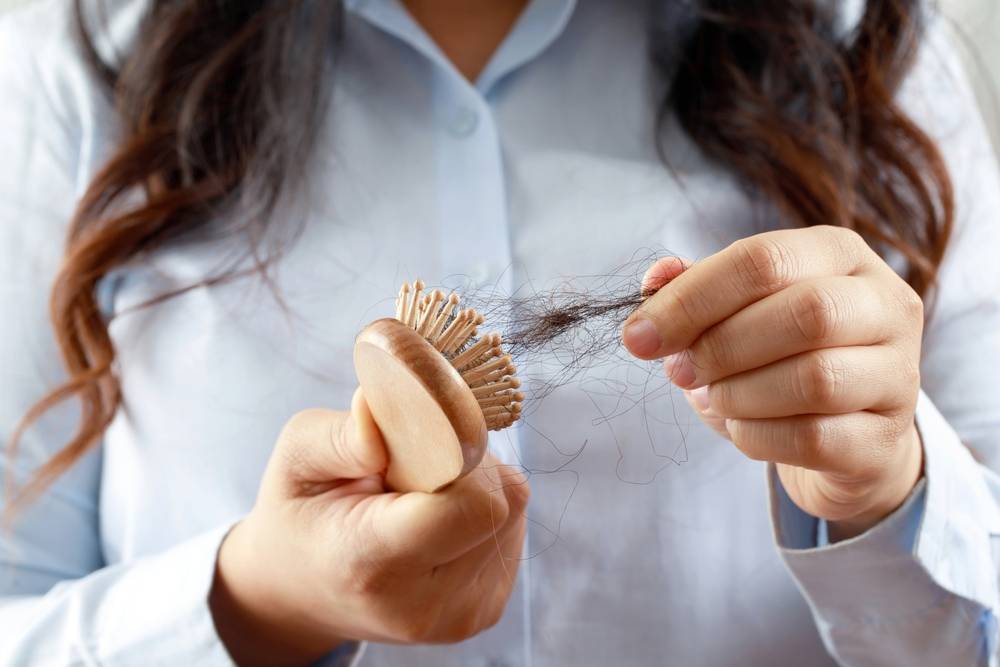
Understanding allergic reactions of the scalp
An allergy corresponds to a reaction of the immune system to a substance perceived as irritating.
In the case of the scalp, this reaction can be triggered by certain ingredients present in hair products.
Hair dyes sometimes contain allergenic substances such as PPD (paraphenylenediamine). Shampoos and conditioners may also contain perfumes, preservatives, or colorants that can cause skin reactions in some people.
When the scalp reacts, this can result in itching, red patches, or a feeling of irritation.
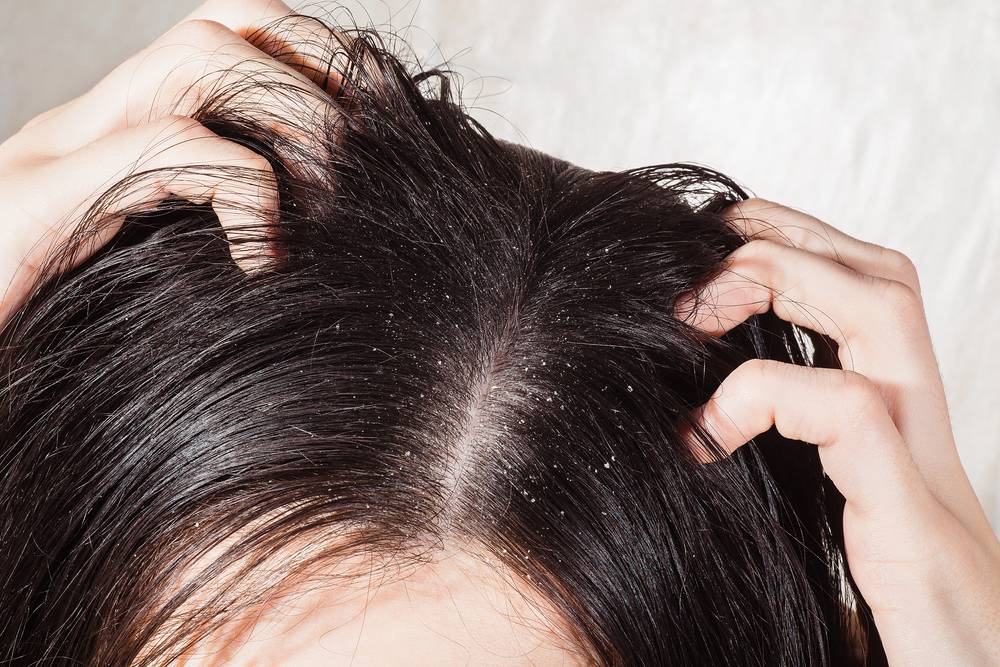
Symptoms of an irritated scalp
Scalp reactions can manifest in different ways.
The most common symptom is scalp itching, often felt shortly after using a new hair product.
Other signs may also appear:
- scalp redness
- burning or tingling sensation
- dry or peeling skin
- visible scales in the hair
- plaques or skin rashes.
In some cases, irritation may also affect the forehead, nape of the neck or ears, when the product comes into contact with these areas.
How to differentiate between allergy, psoriasis, and dandruff?
Scalp irritations can have various causes.
An allergic reaction usually occurs after using a new product. Symptoms appear quickly and often disappear when the product is discontinued.
Scalp psoriasis is characterized by thick plaques covered with whitish or silvery scales. This condition is chronic and is not necessarily related to the use of any product.
Seborrheic dermatitis, on the other hand, causes oilier, yellowish dandruff accompanied by irritation.
Finally, the presence of lice can also cause significant itching of the scalp, but it is usually accompanied by visible nits at the root of the hair.
Preventing allergic reactions of the scalp
Prevention remains the best approach to avoid irritations.
When introducing a new hair product, it is advisable to check its composition and perform a test on a small area of skin.
Some people prefer to use gentler, scalp-friendly formulas to limit the risk of reaction.
Avoiding overly aggressive products and favouring hair care products adapted to sensitive scalps can help to preserve the balance of the scalp.
Beyond allergic reactions: maintaining scalp balance
Even in the absence of an allergy, a scalp can become sensitive when it is weakened by washing too frequently, irritating products or certain external aggressions.
A balanced scalp is generally less prone to itching, irritation, and dandruff.
This is why some hair care routines prioritize treatments that can cleanse the hair while respecting the sensitivity of the scalp.
Skincare products adapted for sensitive scalps
At Biophytum, we believe that hair health starts at the scalp.
Some plants traditionally used in cosmetics, such as chamomile, mallow and calendula, are known for their soothing properties.
These ingredients allow for cleansing the hair while respecting sensitive scalps.
👉 Discover our soothing shampoo for sensitive scalps
Conclusion: Taking care of a sensitive scalp
Scalp irritations can have various causes: allergies, harsh hair products, scalp imbalance, or environmental factors.
Adopting a gentler hair care routine and using scalp-friendly products often improves comfort and preserves hair health.
At Biophytum, since 1883 we have been developing dermo-botanical formulas inspired by the French pharmaceutical tradition, designed to care for the scalp and promote stronger hair.
👉 Discover our scalp care products
We recommend these other pages:
- Environmental factors that can cause scalp irritation
- The role of stress and emotional disturbances on scalp irritations
- Scalp irritation: harsh chemical hair products
- Excess sebum in scalp irritation problems
- Scalp irritation and dry hair problems
- Scalp irritation related to the presence of dandruff
Disclaimer: The information presented in this article is for informational purposes only and is not a substitute for professional medical advice. If you experience persistent scalp symptoms, it is recommended that you consult a dermatologist.


