
Significant flaking caused by scalp psoriasis
Psoriasis is a chronic skin condition that affects many areas of the body, including the scalp. This skin disease, often characterized by red patches and scales, can significantly impact patients' lives . The itching and scaling are more than just a nuisance; they affect quality of life and require appropriate treatment.
On this page, we will explore in depth scalp psoriasis, its consequences, and the treatments available to manage this condition.
Symptoms and clinical presentation
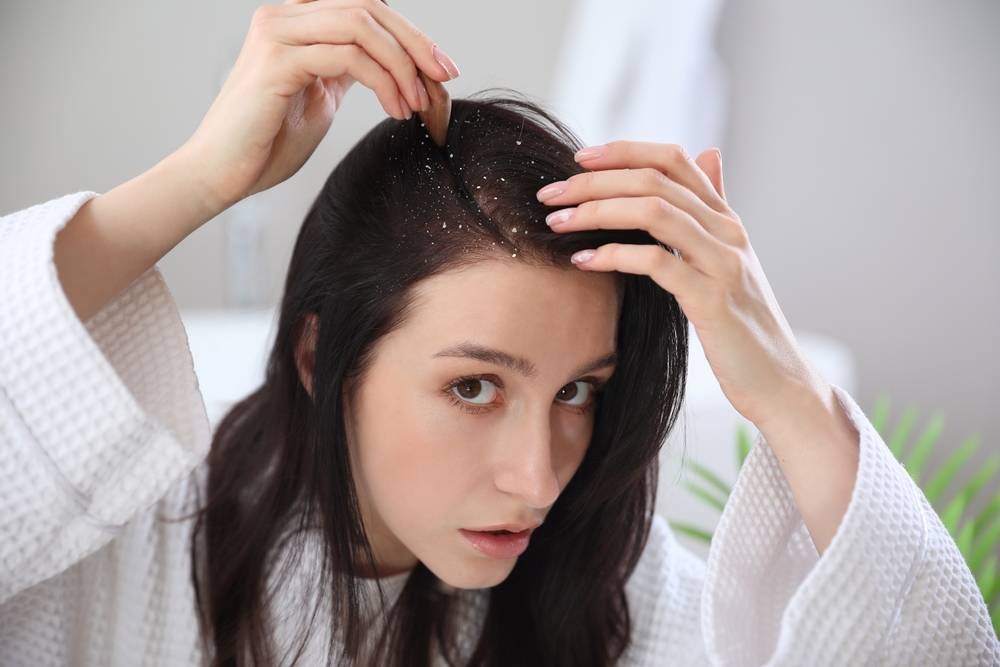
Scalp psoriasis manifests with distinct clinical symptoms that, while similar to other skin conditions, possess certain specific characteristics. The skin in this area, often hidden by hair, is prone to significant inflammation and thick, scaly, red plaques that can extend beyond the scalp , sometimes affecting the face.
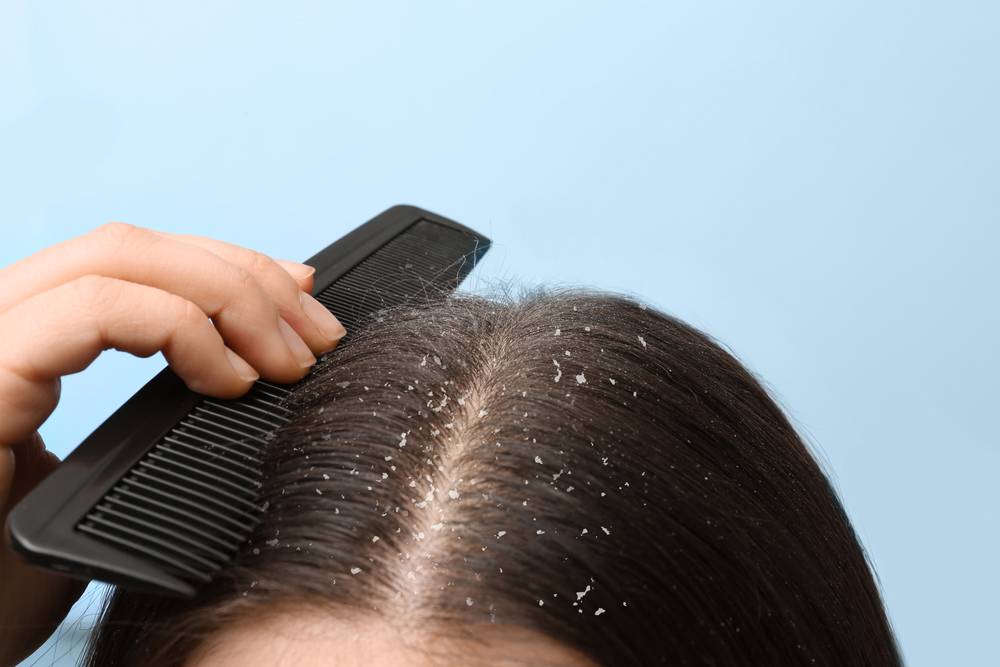
One of the first signs of scalp psoriasis is scaling . Unlike typical dandruff, the scales produced by this condition are often thicker and may be accompanied by intense itching. This skin condition can also cause a burning or painful sensation on the scalp.
Psoriatic plaques, with their reddish hue and silvery scales, are the most common manifestation of this disease. However, it is essential to note that not all patients will experience these symptoms in the same way. While some have isolated lesions, others have widespread plaques on other parts of the body .
It is common for people with scalp psoriasis to initially mistake their symptoms for other skin conditions, such as eczema or dermatitis. However, unlike these conditions, scalp psoriasis can often lead to alopecia, a temporary loss of hair around the affected areas.
The triggering factors vary from patient to patient. However, certain treatments or even stress can exacerbate the symptoms.
The physical and psychological consequences
Scalp psoriasis, while primarily recognized as a skin condition, is not limited to physical consequences. Indeed, this disease has an impact that goes far beyond red patches, scales, and itching. It profoundly affects the lives of patients, both physically and psychologically .
Physically, the presence of lesions on the scalp can lead to alopecia, a temporary loss of hair in the affected areas. This hair loss, combined with visible patches and scaling, can affect the patient's overall appearance, especially if the lesions extend to the face or other parts of the body. Treating these physical symptoms often requires the use of specific products or medications , which can sometimes be burdensome in daily life.
Psychologically, scalp psoriasis can have devastating consequences on patients' self-esteem and quality of life. The appearance of plaques and scales can lead to feelings of embarrassment, anxiety, and shame . Patients may feel isolated or avoid certain social situations for fear of judgment. This disease, although primarily cutaneous, can also affect the mind, generating stress and constant worry.
Furthermore, the ongoing management of this chronic condition can be stressful. Regular appointments with the dermatologist, exploring different treatments and products, and maintaining a suitable skincare routine can all feel overwhelming.
Faced with these challenges, it is crucial to approach scalp psoriasis holistically. This means not only treating the physical symptoms with the help of a doctor, but also seeking psychological support to manage the emotional impact of the disease.
Treatments and management of scalp psoriasis
The management of scalp psoriasis relies on a combination of treatments and management strategies to relieve symptoms and improve patients' quality of life . Due to the chronic nature of this skin condition, an individualized approach is often required, based on the severity of the lesions, the affected areas, and other personal factors.
The first line of treatment recommended by dermatologists for scalp psoriasis typically involves topical products. Corticosteroid creams and oils are frequently prescribed to reduce inflammation and itching. For those with thicker plaques, coal tar treatments may help decrease scaling.
If psoriasis is resistant to topical treatments or spreads to other parts of the body, such as the face, the doctor may suggest systemic medications . These work at the cellular level to slow the excessive proliferation of epidermal cells.
Phototherapy, which uses ultraviolet rays to treat the skin, is another option for those with moderate to severe forms of scalp psoriasis. It can be particularly effective when combined with other treatments.
Using a shampoo specifically formulated for psoriasis can also help remove scales and reduce plaques . Tea tree oil, while not a cure, can also provide relief from itching.
Finally, since stressors can exacerbate psoriasis, patients are advised to seek ways to calm themselves, whether through meditation, exercise, or other methods.
We recommend these other pages:


