
The role of stress and emotional disturbances on scalp irritations
When stress enters our lives, it often quickly manifests its effects on our scalp and skin . Conditions such as eczema and psoriasis can be exacerbated by anxiety, leading to itching, rashes, and other symptoms. The question then becomes: how do our nervous system and stress influence the health of our skin and scalp? And, most importantly, what solutions can we adopt?
On this page, we will explore the link between stress, hair loss, the onset of scalp diseases, and the appropriate treatments to address them and preserve the scalp .
Understanding stress and emotional disorders
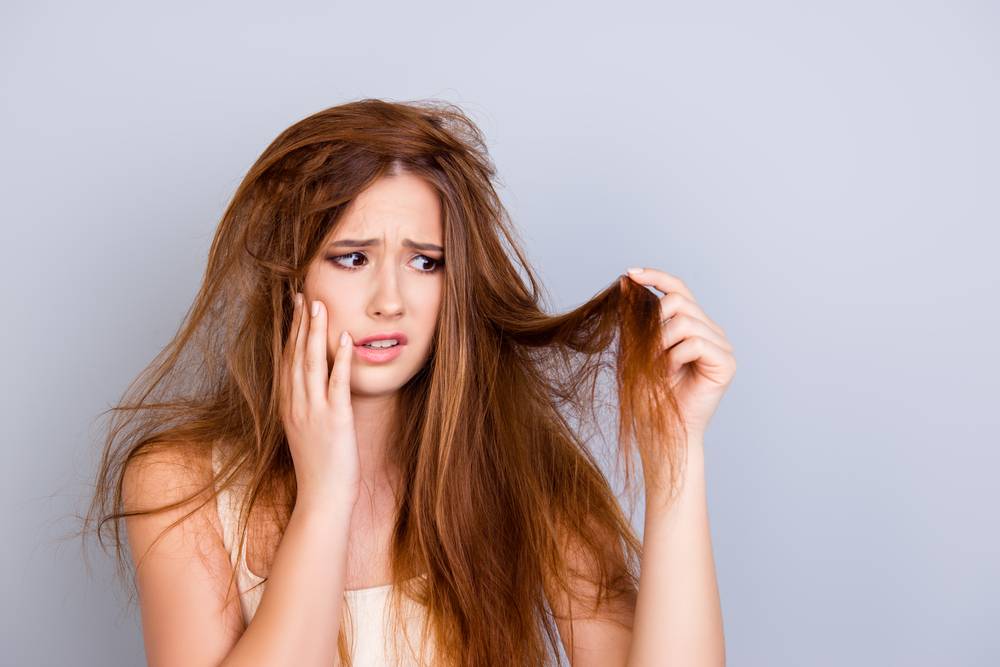
Stress, omnipresent in our daily lives, affects far more than just our state of mind. Its presence can have tangible consequences for our health, particularly for our skin and scalp. Indeed, when the body is under stress, it releases hormones that can disrupt the normal functioning of skin cells , causing a variety of symptoms ranging from itching to the onset of conditions such as eczema or psoriasis.
Anxiety, often linked to stress, is an emotional disorder that can exacerbate these skin problems. Red patches on the face, an itchy scalp, or even hair loss can be the body's reaction to a prolonged state of anxiety. Furthermore, women, in particular, may experience hair disturbances when faced with significant stressors.
It is essential to understand that stress is not just an abstract concept; it is a physiological state with concrete causes and measurable effects on the body . When our system is constantly under stress, it can trigger a cascade of events, even leading to hair loss.
Skin symptoms of stress can vary from person to person, and treatments, whether topical care, medication, or essential oils, must be tailored accordingly.
How does stress affect the skin and scalp?
Stress not only affects our emotional state, but also manifests physically, particularly on the skin and scalp. The body's response to stress is complex and involves a cascade of hormonal events that can disrupt the health of the skin and hair.
When a person experiences stress, the body produces hormones such as cortisol . These can lead to excessive sebum production, creating an environment conducive to the development of conditions like eczema and psoriasis.
The scalp also suffers. A stressed person may experience increased hair loss, itching, or heightened scalp sensitivity. Furthermore, stress can worsen pre-existing conditions, leading to more severe symptoms.
Faced with these symptoms, skincare products and treatments can play a crucial role. Essential oils, for example, are often recommended for their soothing properties .
Furthermore, hygiene plays a vital role in managing these problems. Gentle facial cleansing and proper hydration can work wonders for stressed skin.
Specific scalp conditions related to stress
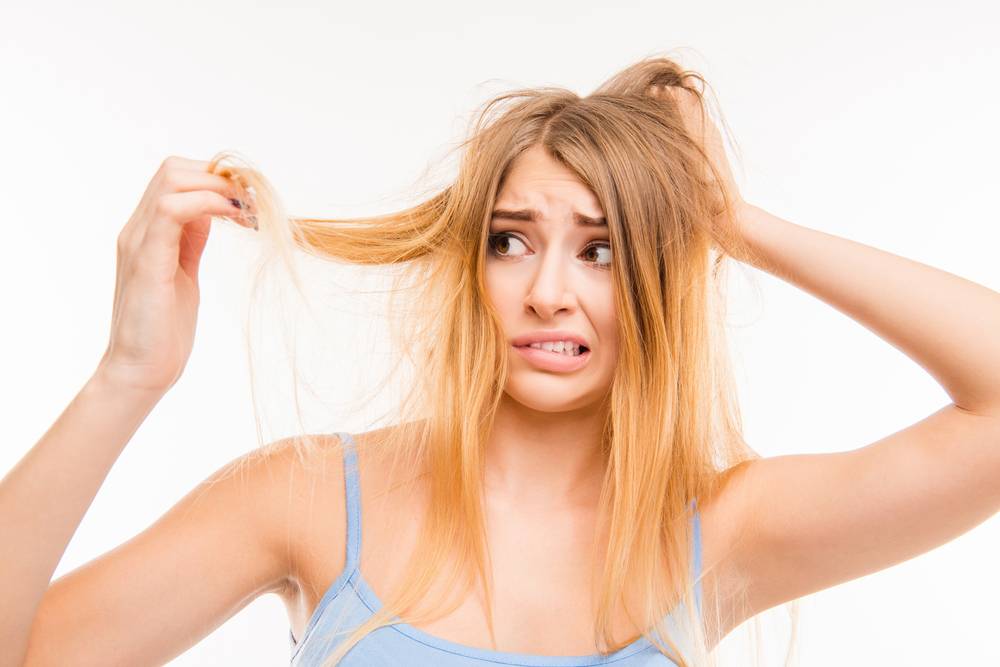
The scalp, like the skin on our face and body, reflects our inner health. In fact, the effects of stress on our body often first appear on our skin and scalp. Several specific scalp conditions are directly linked to stress and require special attention.
One of the most common symptoms of stress is hair loss . While daily hair loss is normal, prolonged stress can accelerate this process, leading to abnormal shedding. The causes of this hair loss can be numerous, but anxiety often plays a major role.
Scalp psoriasis is another condition that can be exacerbated by stress. It manifests as red patches and intense itching. The scalp is one of the areas most frequently affected by this condition, and the symptoms can be further aggravated when a person is stressed.
Eczema , although more common on the face and body, can also appear on the scalp. Itching and dry patches are typical symptoms, and stress can trigger or worsen these manifestations.
Furthermore, hives , although less common on the scalp, can be linked to stress. Appropriate medication and care are essential to treat the symptoms and improve the quality of life of the affected individual.
Strategies to combat the effects of stress on the scalp
Given the devastating effects of stress on the scalp, it is crucial to adopt strategies to protect and revitalize this essential part of our body. Symptoms such as hair loss, itching, or the onset of conditions like psoriasis or eczema can negatively impact quality of life.
First, hygiene plays a central role . Using products suited to your skin and scalp type is essential. Some shampoos and conditioners contain essential oils that can soothe itching and reduce eczema or psoriasis patches. However, it is recommended to consult a doctor or dermatologist for advice on the best products to use, especially if symptoms persist.
Oils, particularly essential oils, can also be used as a complement to prescribed treatments. For example, lavender or chamomile oil can help reduce anxiety, thus promoting a return to a balanced state of the scalp.
Next, stress management is fundamental . Learning relaxation techniques, such as meditation or yoga, can help reduce anxiety levels and have a direct effect on scalp health. While beneficial for vitamin D production, the effects of the sun can also aggravate certain skin conditions; therefore, it is advisable to protect your scalp from UV rays.
We recommend these other pages:


