Scalp psoriasis: a common disease?
Psoriasis is a chronic inflammatory skin condition that can affect various areas of the body. When it manifests on the scalp, it causes red, scaly patches. These lesions can cause intense itching, significant discomfort, and sometimes even hair loss , commonly known as alopecia. Many patients consult a dermatologist for this condition, seeking an accurate diagnosis and effective treatments.
On this page, we will explore scalp psoriasis in depth, its causes, existing treatments, and how it differs from other skin diseases.
What is scalp psoriasis?
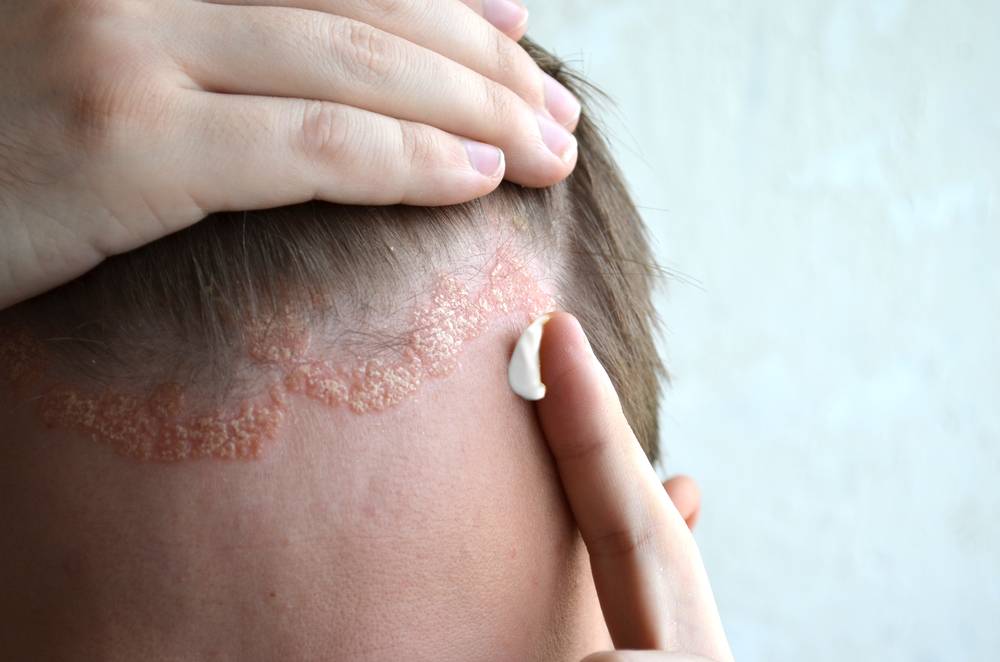
Scalp psoriasis is a chronic inflammatory skin condition that manifests specifically on the head. It is characterized by the appearance of red plaques and thick lesions covered with whitish scales. These scales can extend beyond the hairline, occasionally affecting the forehead, neck, and behind the ears. In France, many patients seek the help of a dermatologist to obtain an accurate diagnosis of this condition.
Unlike other scalp conditions, such as seborrheic dermatitis or eczema, psoriasis presents distinct symptoms. Itching, while a common symptom in several skin conditions, is often more intense in psoriasis . Combined with inflammation, it can have a detrimental effect on patients' daily lives, causing stress and discomfort.
The exact cause of psoriasis remains unknown, but it involves immune system dysfunction and heightened inflammation. Several factors can trigger or worsen flare-ups, including stress, certain medications, and the use of unsuitable products.
Treating scalp psoriasis requires a targeted approach. While some medications and topical treatments can help reduce inflammation and eliminate scales, a comprehensive approach also includes addressing triggering factors and protecting hair from loss that can occur as a result of intense scratching or injury.
Epidemiology of scalp psoriasis
The epidemiology of scalp psoriasis offers essential insights into the prevalence and distribution of this chronic disease. In France, according to available data, a significant proportion of patients with psoriasis present with symptoms on the scalp.
However, unlike eczema or dermatitis , scalp psoriasis has specific characteristics . The lesions, often accompanied by intense itching, can significantly impact patients' quality of life. The plaques can also extend beyond the hairline, affecting adjacent parts of the body.
Dermatologists observe variability in the prevalence of scalp psoriasis depending on age, sex, and other epidemiological factors. Although this disease can affect anyone, certain populations appear to be at higher risk due to genetic, environmental, or lifestyle factors.
An accurate diagnosis is essential in all cases, as scalp psoriasis can often be confused with other skin conditions. Consultation with a qualified dermatologist is crucial to distinguish the symptoms and guide patients toward the most appropriate treatment .
The presence of plaques, inflammation, and scales often necessitates the use of specific shampoos and products to minimize symptoms. However, despite the existence of effective treatments, the stress and discomfort associated with this condition can have a lasting impact on patients' mental and physical health.
The causes and risk factors of psoriasis
The causes and risk factors of scalp psoriasis remain a subject of interest for many dermatologists and researchers. While this chronic inflammatory disease is characterized by the appearance of red, scaly plaques on the scalp, understanding its origins and triggers is essential for optimal management.
The inflammatory reaction of the skin is often the result of a complex interaction between the patient's genetics, their immune system, and certain environmental factors. While the exact causes of psoriasis remain partially enigmatic, several risk factors have been identified.
Genetics plays a significant role . If a family member has psoriasis, this can increase the risk of developing the disease in their offspring. Furthermore, external factors can trigger or worsen flare-ups. The inappropriate use of certain products, such as unsuitable shampoos or skincare products, can irritate the skin and contribute to the development of symptoms .
Stress is also a significant trigger. Many patients report flare-ups during periods of intense anxiety or upheaval in their lives. Certain medications, particularly those that affect the immune system, can also increase the risk of developing or worsening psoriasis.
Coexisting conditions, such as seborrheic dermatitis, can complicate diagnosis and must be distinguished from psoriasis by a qualified dermatologist. It is also essential to note that, although alopecia (hair loss) can occur due to lesions and itching, it is not a direct cause of psoriasis .

Prevention and treatment of psoriasis
Given the impact of scalp psoriasis on patients' quality of life, prevention and treatment of this chronic inflammatory disease are paramount.
Prevention relies primarily on recognizing and managing triggers . Since stress is a major trigger for psoriasis flare-ups, managing it through relaxation, meditation, or other techniques can help reduce the appearance of red plaques. Additionally, using appropriate products, such as gentle shampoos and conditioners, can prevent skin irritation and minimize itching.
The treatment of scalp psoriasis aims to reduce inflammation and eliminate scales. Under the recommendation of a dermatologist, various topical treatments may be prescribed, ranging from corticosteroids to keratolytic agents. For more severe cases or those refractory to topical treatments, systemic medications or biologic therapies may be considered.
In addition, the regular use of medicated shampoos is often recommended. These products are specifically formulated to treat the symptoms of scalp psoriasis, helping to soothe inflammation and reduce itching.
Phototherapy, which uses ultraviolet light, is another option for patients whose psoriasis does not respond to conventional treatments. This process is supervised by dermatologists and exposes the scalp to controlled amounts of UV light .
We recommend these other pages: