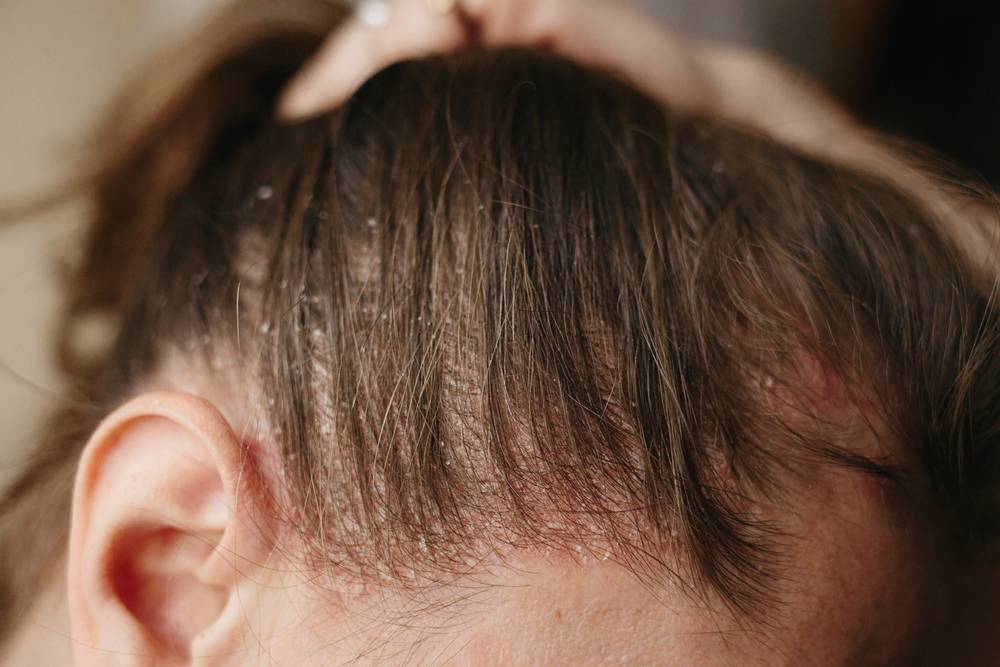
The presence of red plaques characteristic of scalp psoriasis
Psoriasis is a chronic skin condition that manifests in various forms , including red plaques and scales, which remain a major concern for many patients. These plaques can extend beyond the scalp, sometimes affecting the face or other body folds. While many mistakenly believe it to be seborrheic dermatitis or simple eczema, an accurate diagnosis by a dermatologist is essential to distinguish this condition from other skin diseases . The symptoms, often accompanied by itching, can impact patients' quality of life, even leading to alopecia.
On this page, we will explore the characteristic red plaques of scalp psoriasis, their impact, and the various treatment options.
Understanding scalp psoriasis
Psoriasis is a chronic skin condition, one of the most common forms of which affects the scalp. It is primarily characterized by red plaques covered with white or silvery scales. The appearance of these lesions, often mistaken for seborrheic dermatitis or eczema, can raise many questions for those affected.
The causes of scalp psoriasis are multifactorial. They include genetic, immune, and sometimes environmental factors . Stress, for example, is known to trigger flare-ups. Furthermore, although the scalp is the primary site of involvement, these plaques can occasionally spread to the face and other body folds.
Symptoms are not limited to visible lesions. Many patients report intense itching, scalp inflammation, and, in rarer cases, alopecia. It is therefore essential to consult a dermatologist for an accurate diagnosis, as the treatment of scalp psoriasis differs from that of other skin conditions . Unlike simple dermatitis, it often requires a combination of topical medications and other forms of therapy.
Proper treatment is essential not only for scalp health and hair beauty, but also for the patient's quality of life. After all, this disease, although primarily a skin condition, can have psychological repercussions .
Symptoms and diagnosis of scalp psoriasis
Scalp psoriasis, while being a specific form of this skin disease, manifests itself through distinct symptoms that require special attention.
The most common symptoms of scalp psoriasis include red patches covered with white or silvery scales . These lesions can sometimes spread beyond the scalp, particularly to the face or neck. The presence of these patches is often accompanied by itching, ranging from mild to intense, and skin inflammation . Although hair usually covers these lesions, patients may experience some pain or a feeling of tightness.
The appearance of the plaques, their location, and the presence of other symptoms such as nail involvement can guide the doctor toward a diagnosis of psoriasis. Furthermore, consideration of the patient's medical and family history can also be a determining factor.
Psychological and social implications
Although scalp psoriasis is often perceived as a skin condition, its impact extends far beyond the physical. The psychological and social implications of this condition can be profound, affecting patients' quality of life and overall well-being.
Scalp psoriasis, with its red patches and visible scales, can be a source of embarrassment and shame for many people . Hair, a symbol of beauty and health, can be affected, leading to a loss of self-confidence. Furthermore, the itching and inflammation associated with this condition are often sources of discomfort, leading some patients to avoid social situations for fear of being judged or misunderstood.
Stress, already identified as a trigger or exacerbating factor in psoriasis flare-ups, can intensify in response to the reactions of others. The social stigma associated with visible skin conditions can be particularly distressing. Some patients feel the need to conceal their symptoms , wearing hats or scarves even in warm weather, or avoiding outdoor activities to protect their scalp from the sun.
Psychological support is often essential to help patients cope with the emotional and social repercussions of the disease. While dermatological treatments are crucial for addressing physical symptoms, a holistic approach that considers mental health is equally important.
Treatments and advice for managing scalp psoriasis
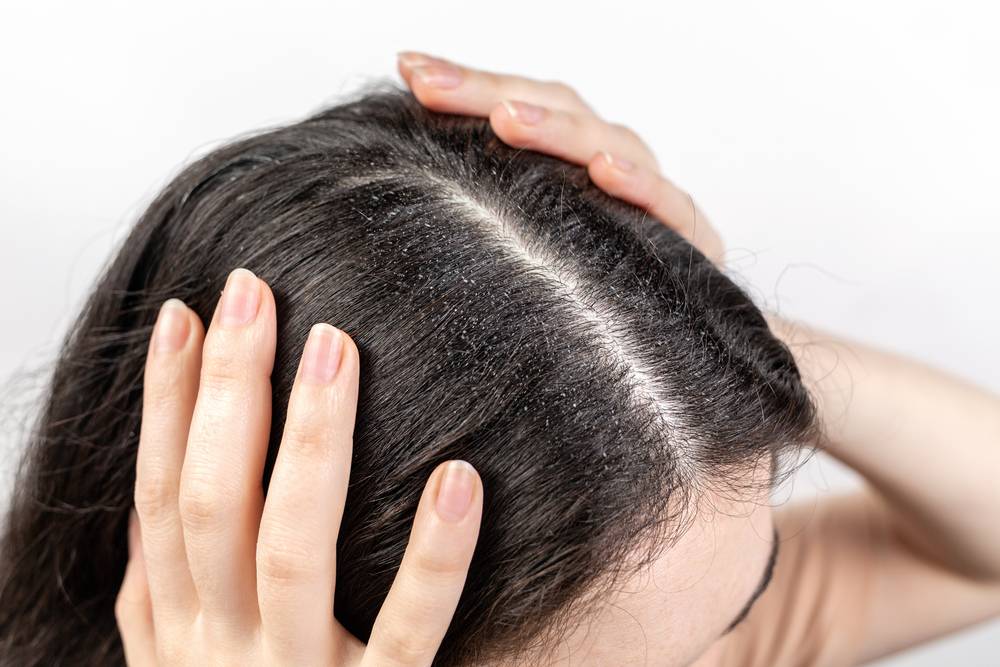
Scalp psoriasis, despite its chronic nature, can be effectively managed with the right treatment strategies. The therapeutic approach varies depending on the severity of symptoms and the extent of lesions, but the goal remains to relieve itching, reduce inflammation, and prevent new flare-ups.
Topical treatments are often the first line of intervention. Medications in the form of shampoos, lotions, or creams containing corticosteroids or vitamin D derivatives are frequently prescribed by dermatologists. These treatments target inflammation and itching, providing relief to the patient.
For more severe cases or those resistant to topical treatments, other approaches can be considered. Phototherapy, for example, uses ultraviolet rays to treat psoriatic plaques .
In even more serious cases, systemic medications, taken orally or by injection, may be prescribed. These treatments act on the entire body and require regular monitoring due to potential side effects.
Beyond medical treatments, a few tips can help manage scalp psoriasis:
- If stress or certain climatic conditions exacerbate the symptoms, it is advisable to adopt stress management strategies and protect the scalp from the sun;
- It is recommended to use mild shampoos, gently massage the scalp and avoid irritating hair products ;
- Seeking information through specialized associations or reliable medical websites guarantees quality information;
- Regular visits to the dermatologist allow the treatment to be adjusted according to the progression of the disease.
We recommend these other pages: