
Scalp irritation and dry hair problems
Scalp irritation and dry hair are common hair problems that many people experience. Characterized by itching, dandruff, or redness, these symptoms can be caused by a variety of factors. Over-shampooing, using unsuitable products, or skin conditions like seborrheic dermatitis can all disrupt the scalp's natural sebum balance . Sebum is an oil produced by our scalps to maintain proper hair hydration. When this balance is disrupted, it can lead to moisture loss, making hair dry and brittle, and potentially causing hair loss.
On this page, we will provide accurate information on the underlying causes of these problems, while highlighting solutions and advice for the care and treatment of hair and scalp.

Understanding scalp irritation
The scalp requires just as much care as the rest of our body. When healthy, it supports the growth of strong, shiny hair. However, various factors can disrupt this balance, leading to irritation.
Hair care products, particularly shampoos, are often implicated. Some contain ingredients that, while designed to cleanse the scalp, can irritate or dehydrate the skin. This dryness can then reduce the natural production of sebum , an essential oil for maintaining hair hydration.
Conditions such as seborrheic dermatitis , an inflammation of the skin, can also be underlying causes of irritation. These often manifest as greasy, yellowish flakes and can be exacerbated by excessive sebum production .
Environmental factors also play a crucial role. For example, hard water or excessive sun exposure irritates the scalp and deprives it of the oils necessary for its health.
Dry hair and its causes
Having dry hair isn't just a cosmetic concern. This hair condition can reveal underlying scalp problems and profoundly affect overall hair health.
One of the main causes of dry hair is insufficient sebum production by the sebaceous glands of the scalp. Sebum is a natural oil that provides a moisture barrier, protecting the hair and scalp. When this production is disrupted, whether by external factors or the use of unsuitable products, the hair loses its essential moisture.
Frequent use of harsh shampoos, for example, can strip the scalp of its natural oils . Furthermore, hair products containing harsh ingredients can irritate the skin, exacerbating dryness and itching. Conversely, a gentle shampoo, enriched with soothing ingredients, helps restore the scalp's natural oil balance.
Besides these products, other factors can contribute to dry hair. For example, hard water, rich in minerals, can leave a deposit on the hair , depriving it of its natural moisture.
The link between scalp irritation and dry hair
The condition of our hair is often a direct reflection of the health of our scalp. When the scalp is irritated, this irritation can directly affect the texture, shine, and overall health of the hair.
Scalp irritation stems from a disruption of sebum, the natural oil that moisturizes the skin and hair. When sebum production is altered, whether by external factors or the use of unsuitable products, it can lead to increased hair dryness . For example, an overly harsh shampoo can disrupt the natural sebum balance, resulting in dry and brittle hair.
Furthermore, certain conditions, such as seborrheic dermatitis, directly affect sebum production, leading to excessive dryness of the scalp and, consequently, the hair. These skin problems can also cause itching, dandruff, and a feeling of discomfort.
Water, an essential element for hydration, also plays a crucial role. When the scalp is irritated, its ability to retain water decreases, which can contribute to dry hair. Scalp cells, when not properly hydrated , can deteriorate, leading to more serious problems such as hair loss.
Prevention and solutions for dry hair
Having a healthy scalp is the foundation for healthy hair. Dryness, itching, and other signs of irritation can lead to more complex hair problems, such as hair loss or thinning. Fortunately, there are ways to prevent these issues and effective treatments to restore a soothed scalp and nourished hair.
First, choosing the right shampoo is crucial. Opt for products specifically designed to treat dryness and irritation . Certain ingredients are known for their soothing and nourishing effect on the scalp and hair. Furthermore, avoid shampoos containing harsh agents that can cause further irritation.
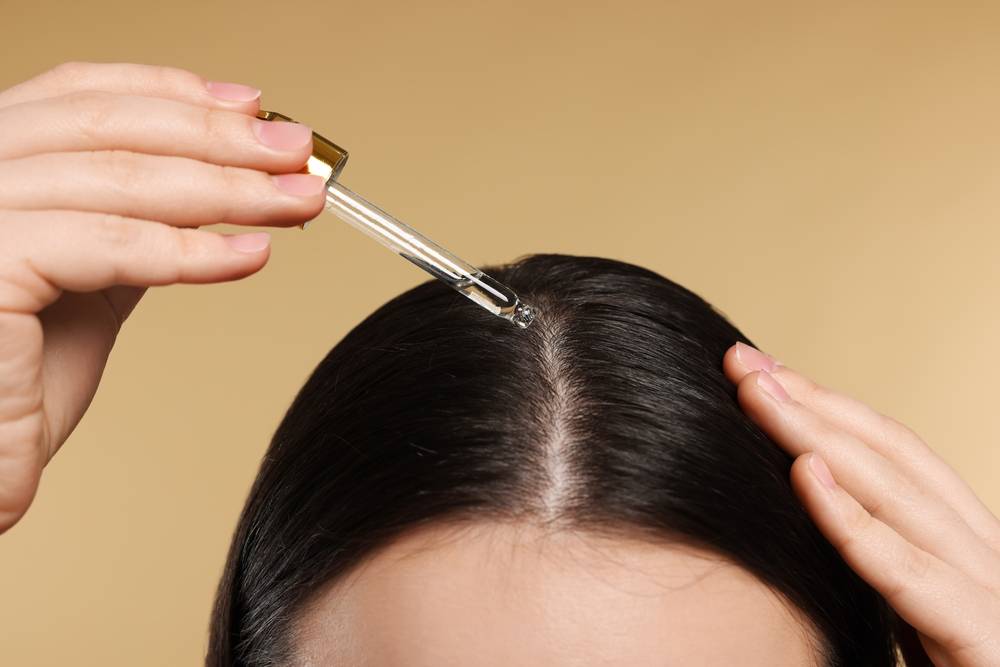
Natural oils, such as argan or coconut oil , are beneficial for restoring moisture to the scalp and hair. They strengthen the skin's natural barrier, preventing excessive water loss and dryness. For deep conditioning, oil-based hair treatments are recommended, as they provide intense hydration.
In addition to using products, adopting healthy habits is essential. Hot water, for example, can increase sebum and dryness problems. Therefore, it's advisable to wash your hair with lukewarm water . Furthermore, avoid heated styling tools, which can exacerbate dryness.
For those suffering from seborrheic dermatitis or other skin conditions, specific treatments may be necessary. In such cases, consult a dermatologist for tailored advice. These professionals can recommend medicated shampoos, soothing treatments, or other therapies to address the underlying causes of irritation and inflammation.
We recommend these other pages:
- Environmental factors that can cause scalp irritation
- The role of stress and emotional disturbances on scalp irritations
- Scalp irritation: harsh chemical hair products
- The effects of an allergic reaction on scalp irritations
- Excess sebum in scalp irritation problems
- Scalp irritation related to the presence of dandruff


