
Excess sebum in scalp irritation problems
The health and beauty of hair largely depend on a healthy scalp, and sebum, produced by our glands, plays a crucial role in protecting our scalp . However, in excess, it can lead to various problems, such as itching, dandruff, or even seborrheic dermatitis. While some causes are genetic or hormonal, factors such as stress, diet, and the hair products used can influence this excess sebum.
On this page, we will explore in depth the impact of excess sebum, the triggering factors, and common related problems such as dandruff.
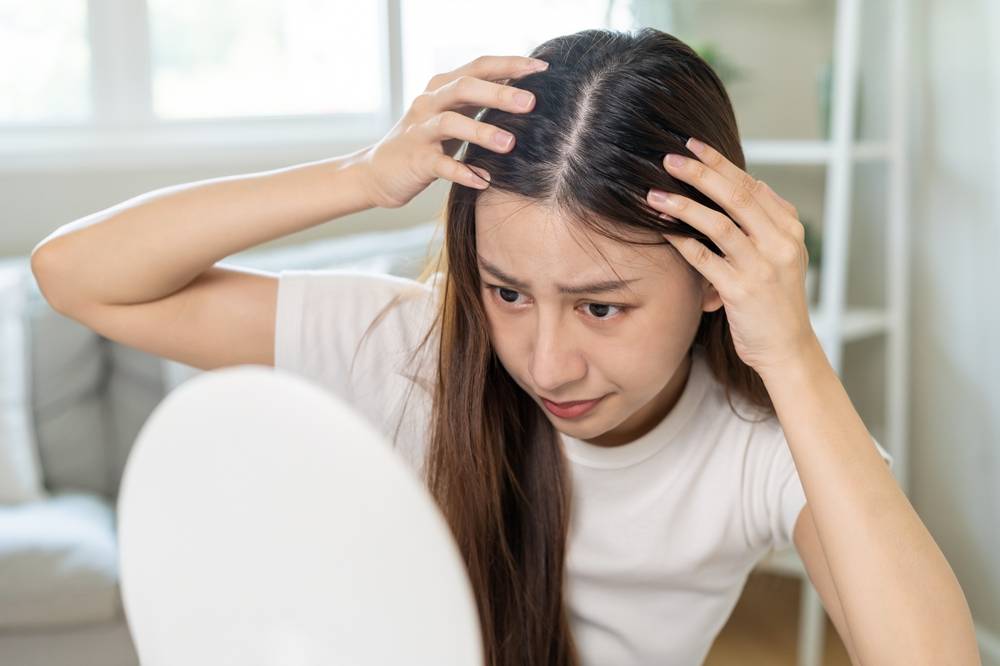
Understanding excess sebum: origins and consequences
The integrity of our hair and the health of our scalp are closely linked to sebum production. This natural oil, produced by the sebaceous glands, primarily functions to moisturize and protect the skin and hair. However, when the scalp produces an excess of sebum, known as seborrhea, this can have significant repercussions on hair health.
One of the main causes of this overproduction is hormonal. Hormonal fluctuations , particularly during puberty or due to stress, can stimulate the glands to produce more sebum. A diet rich in fatty foods can also contribute to this glandular hyperactivity. Furthermore, certain hair products, such as unsuitable shampoos, can disrupt sebum production.
The consequences of this excess are varied. Hair becomes oilier, which can give an impression of neglect. Itching becomes frequent, and the scalp can become irritated. In this sebum-rich environment, certain conditions like seborrheic dermatitis find fertile ground for their development. This can lead to inflammation, red patches accompanied by scales, or dandruff. Furthermore, psoriasis, eczema, and dermatitis can also be exacerbated by this overproduction of oil .
The relationship between excess sebum and scalp irritation
Excess sebum, while a natural reaction of our scalp to protect the skin and hair, can, when too abundant, cause various problems and irritations. The relationship between excess sebum and scalp irritation is complex and multifactorial.
First, an oily scalp becomes a breeding ground for microorganisms. Among them, the Malassezia fungus can cause inflammation leading to seborrheic dermatitis. This condition manifests as red patches, scales, and often itching. Similarly, an oily scalp can worsen other conditions such as psoriasis or eczema, leading to similar or even more pronounced symptoms.
The choice of hair products also plays a crucial role. Repeated use of unsuitable shampoos containing overly harsh ingredients can further irritate the scalp, disrupting its pH balance and natural lipid barrier . Similarly, certain treatments or products, when not suited to the scalp's specific needs, can exacerbate irritation.
Furthermore, itching, a direct consequence of excess sebum, can trigger a chain reaction. By scratching, the individual causes micro-lesions on the skin, increasing the risk of infections or other dermatological problems.
Furthermore, other factors such as stress, poor diet, or inadequate hair hygiene can exacerbate irritation . Stress, in particular, stimulates the sebaceous glands, leading to increased sebum production and thus creating a vicious cycle of irritation and itching.
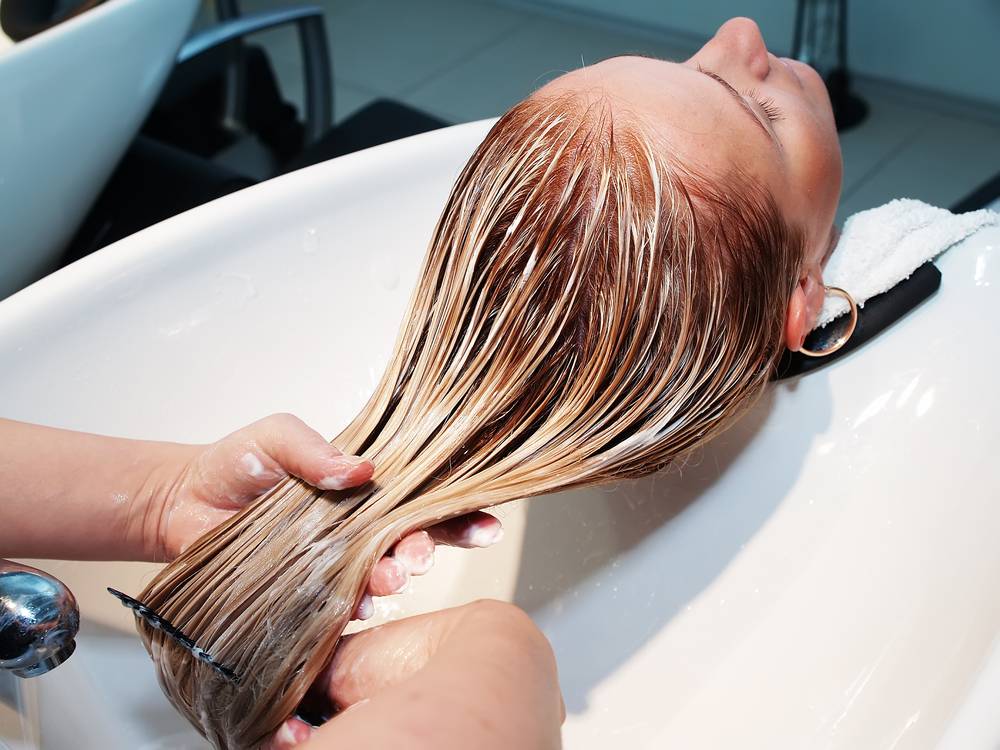
Common hair care mistakes that worsen the problem
Taking care of your hair is an ongoing quest. However, some habits, mistakenly considered beneficial, can actually exacerbate problems related to excess sebum and scalp irritation.
A common mistake is choosing the wrong shampoo . Many people opt for harsh products hoping to deep clean their scalp. However, these shampoos can irritate the skin, disrupt the scalp's natural pH balance, and stimulate excessive sebum production. Conversely, some choose overly rich oils and treatments, which can weigh down hair and clog scalp pores, worsening dermatitis or psoriasis.
Hot water is another aggravating factor. Although washing with hot water feels pleasant, it can actually strip the scalp of its natural oils , causing the glands to produce even more sebum in response.
Hair hygiene is crucial. However, washing your hair every day can be counterproductive. Daily cleansing, especially with harsh shampoos, can strip the scalp of its essential oils, thus exacerbating seborrheic dermatitis.
Stress, often underestimated, plays a significant role in the health of our scalp. High stress levels can cause or exacerbate excessive sebum production, itching, and other symptoms of irritation.
Excessive use of styling products is another source of problems. These products can clog the scalp , preventing the skin from breathing and creating an environment conducive to inflammation.
Finally, an unbalanced diet, rich in fats and sugar, can have repercussions on the health of our scalp.
Practical tips for managing and preventing excess sebum and associated irritations
Managing excess sebum and scalp irritation requires a thorough understanding of the underlying causes and proactive action to preserve the health and beauty of your hair.
As we have seen, cold or lukewarm water is preferable for washing hair. Hot water, while pleasant, can stimulate the sebaceous glands, leading to an overproduction of sebum. Furthermore, it can irritate the scalp and exacerbate problems such as seborrheic dermatitis or psoriasis.
Opt for gentle shampoos specifically designed for sensitive or oily scalps. Avoid products containing harsh chemicals. Remember to alternate between different shampoos to prevent residue buildup on your scalp.
The health of your hair is closely linked to your diet. Consuming foods rich in omega-3 fatty acids, vitamins, and antioxidants can help balance sebum production and strengthen the scalp's skin barrier.
Opt for natural treatments to balance your scalp. For example, jojoba oil has a composition similar to human sebum and can help regulate its production. Apply it with a gentle massage to stimulate blood circulation.
Stress is one of the factors that can affect scalp health. Incorporate relaxation techniques, such as meditation or yoga, to manage your stress. A relaxed scalp is often synonymous with healthier hair.
Dry air, especially during the winter months, can exacerbate scalp problems. A humidifier helps maintain optimal humidity levels in your environment.
Finally, listen to your scalp. If you experience itching or notice dandruff, it may be time to review your hair care routine or consult a dermatologist. These professionals can provide personalized advice and treatments tailored to your skin and hair type.
We recommend these other pages:
- Environmental factors that can cause scalp irritation
- The role of stress and emotional disturbances on scalp irritations
- Scalp irritation: harsh chemical hair products
- The effects of an allergic reaction on scalp irritations
- Scalp irritation and dry hair problems
- Scalp irritation related to the presence of dandruff


