
Scalp irritation: harsh chemical hair products
Hair health depends largely on the condition of the scalp. Many problems can arise and be exacerbated by the regular use of hair products , particularly certain shampoos filled with harsh chemicals. Sulfates and silicones, frequently found in these products, can also disrupt the natural balance of sebum and the scalp's microbial flora. Before consulting a professional for a precise diagnosis, it can therefore be wise to review the ingredients of your hair products.
On this page, we will explore the impact of these chemical ingredients on the skin and ways to soothe irritations .
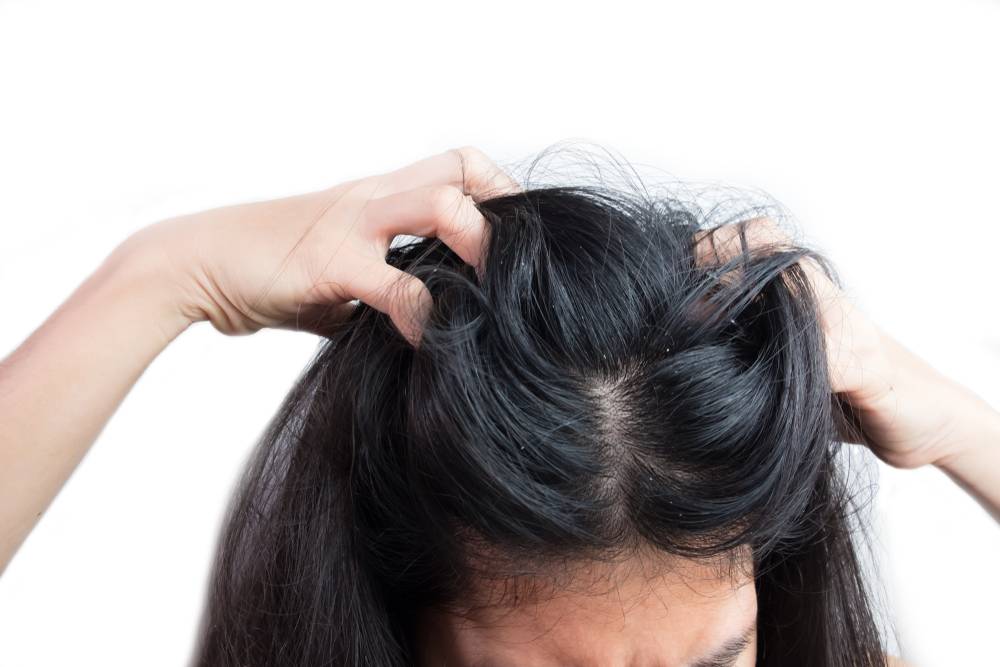
Common chemical ingredients in hair products
A healthy scalp is essential for shiny, vibrant hair. However, most hair products on the market contain chemical ingredients that, while formulated to enhance appearance, can also cause a range of undesirable symptoms . These include itching, irritation, eczema- or psoriasis-like patches, and hair loss.
One of the major causes of these symptoms is the inclusion of sulfates in shampoos. While these cleansing agents are powerful at removing oil and dirt, they can also deprive the scalp of its natural sebum. This disruption of the natural balance can lead to skin inflammation and sensitivity.
Silicones, on the other hand, are often found in hair care products to provide shine and softness. However, their prolonged use can lead to a buildup on the scalp , preventing the hair from breathing and potentially causing itching and dandruff.
The symptoms associated with these chemical ingredients can often be confused with other causes of hair problems, such as stress or hormonal imbalances . Therefore, it is essential to consult a professional for a proper diagnosis.
The mechanisms related to chemicals that cause irritation
Understanding the mechanisms by which chemicals cause scalp irritation is essential for adopting appropriate hair care. When it comes to the health of our hair and skin, the composition of the shampoos and other hair products we use plays a crucial role.
One of the most common chemical ingredients blamed for scalp irritation is sulfate. Found in many shampoos, it acts as a powerful detergent , effectively removing oil and dirt. However, this property can also disrupt the scalp's natural sebum production, leading to dryness, itching, and sensitivity.
Products containing silicones, while making hair soft and shiny, can create an impermeable barrier on the scalp. This barrier prevents the skin from breathing, potentially leading to problems such as product buildup , dandruff, and even itching.
Furthermore, frequent use of chemical hair products can disrupt the skin's pH balance . Skin with an unbalanced pH is more prone to inflammation and reactions , leading to symptoms such as eczema- or psoriasis-like patches.
Finally, it should be noted that the skin's reaction to harsh ingredients is not limited to irritation. It can also manifest as hair loss or a worsening of existing symptoms such as dandruff.
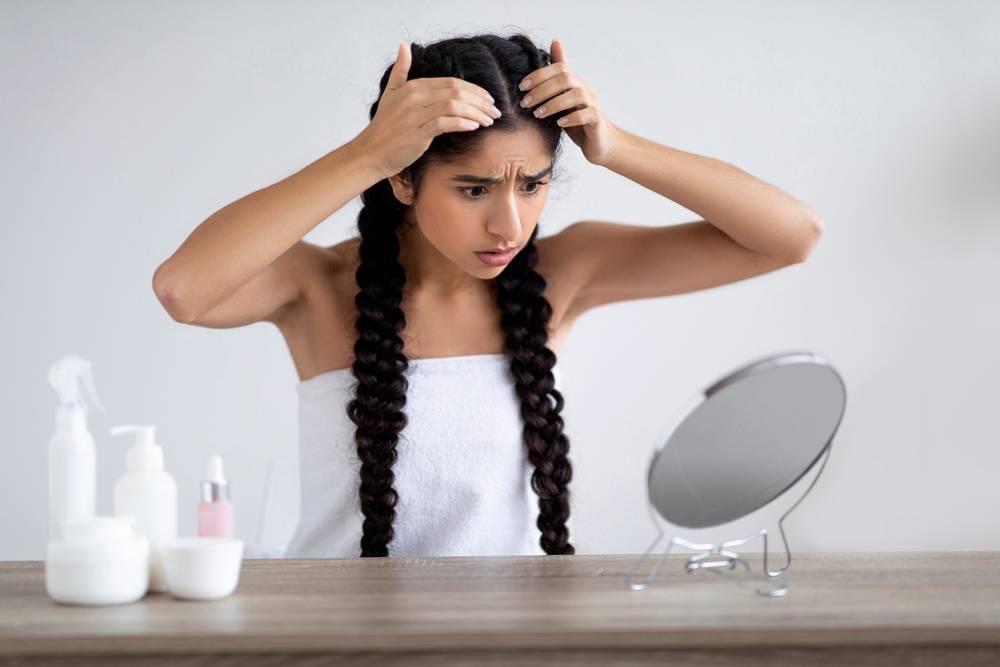
The consequences of continuous scalp irritation
Ongoing scalp irritation, often aggravated by hair products containing chemical ingredients, can have worrying consequences not only for the scalp itself, but also for overall hair health.
One of the first noticeable symptoms is often persistent itching . When this itching is constant, it can lead to sores caused by scratching. Such lesions can then become entry points for bacterial or fungal infections, further exacerbating scalp problems.
Chronic irritation can also disrupt the natural hair growth cycle . Hair follicles, inflamed or clogged with product residue, can be weakened, leading to increased hair loss.
Conditions such as psoriasis or eczema can also be aggravated by the continued use of harsh shampoos and conditioners. Symptoms such as plaques, dandruff, and redness may become more pronounced.
In addition, a continuously irritated scalp has its skin barrier weakened , making the skin more vulnerable to external aggressions, such as temperature variations, pollution or excessively hard water.
It is also essential to understand that hair products are not the only cause of these irritations. Factors such as stress, hormonal imbalances, or a poor diet contribute to exacerbating these symptoms.
Solutions and alternatives to chemical hair products
Solutions and alternatives to chemical hair products have become a necessity for many of us who want to preserve the health of our scalp. Itching, irritation, and other symptoms associated with harsh ingredients can be avoided, or even reversed, by adopting a more natural and mindful approach to hair care .
One of the first things to do is choose sulfate-free shampoos and conditioners. While these cleansing agents are very effective at removing impurities, they disrupt the sebum balance on the scalp. By opting for sulfate-free shampoos, the risk of dryness and irritation is reduced.
Natural oils, such as coconut oil, argan oil, or jojoba oil , can be excellent replacements for traditional hair products. They deeply nourish, restore sebum balance, and soothe irritation.
In addition, the incorporation of natural ingredients such as aloe vera, known for its soothing properties, or apple cider vinegar, which balances the pH of the scalp, helps to combat itching and inflammation.
Micellar hair waters are also a gentle alternative to traditional shampoos . They delicately cleanse the scalp without disrupting its natural balance.
Finally, it is recommended to adopt a balanced hair care routine tailored to the specific needs of your hair and scalp. This sometimes involves reducing the frequency of washing or alternating between different types of products to prevent the buildup of residue.
We recommend these other pages:
- Environmental factors that can cause scalp irritation
- The role of stress and emotional disturbances on scalp irritations
- The effects of an allergic reaction on scalp irritations
- Excess sebum in scalp irritation problems
- Scalp irritation and dry hair problems
- Scalp irritation related to the presence of dandruff


