
Detecting the first signs of serious hair problems
The health of our hair and scalp is often a reflection of our overall well-being. Indeed, changes in hair texture or density can signal underlying conditions for which early diagnosis is crucial. For example, sudden hair loss can be a sign of an autoimmune disease such as lupus or alopecia areata. On the other hand, bald patches or lesions on the scalp may indicate a skin infection requiring clinical treatment. Furthermore, in many women, hormonal imbalances can affect hair health.
On this page, we will explore these symptoms, how to identify them, and the importance of early screening by a doctor to ensure proper care.
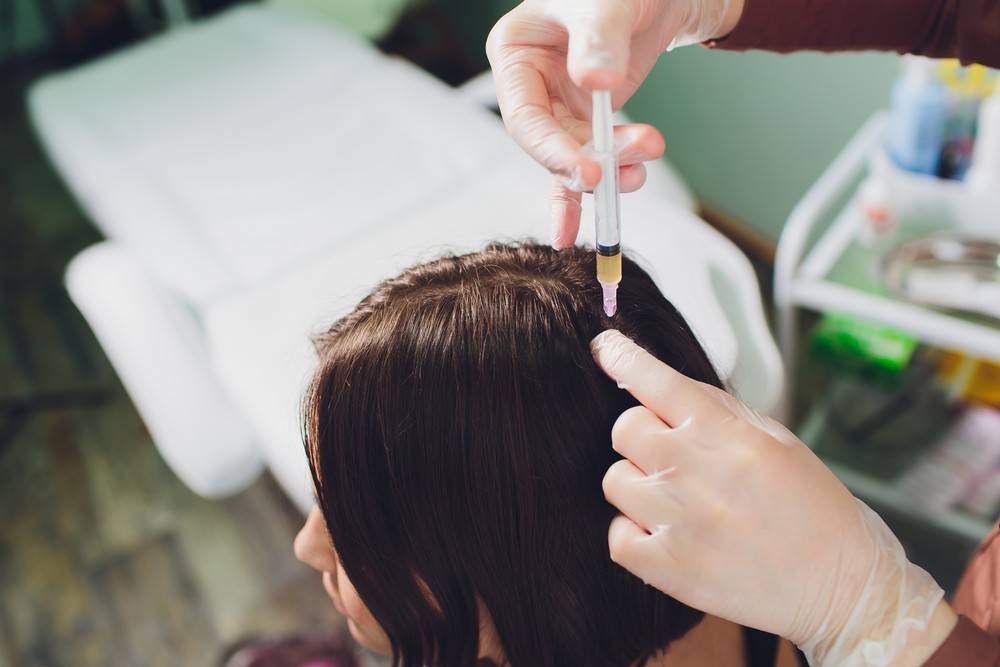
Visible signs of hair problems
While everyone naturally loses a certain amount of hair every day, excessive hair loss can signal conditions such as androgenic alopecia (common baldness) or autoimmune diseases like alopecia areata. In some women, this hair loss can be influenced by hormonal fluctuations, particularly during specific phases of their lives, such as menopause.
A change in natural hair color can also indicate health problems. Premature discoloration could be a sign of a deficiency in certain blood cells or, in rare cases, a genetic syndrome. It is important to consult a doctor for an accurate diagnosis, as this can also be due to medications or treatments for other illnesses.
The scalp is not free of symptoms either. Red patches or lesions may indicate the presence of an infection or an autoimmune disease such as lupus. The scalp can also reflect skin disorders , such as persistent itching, which requires a clinical examination.
Hair texture also changes depending on a person's overall health. Brittle or dry hair is often the result of a deficiency or excessive use of medication.
Scalp problems and their implications
The scalp is a key indicator of the overall health of our skin and hair. When worrying symptoms appear there, they can often indicate underlying disorders requiring clinical attention.
For example, the presence of excessive itching and flaking on the scalp should be a cause for concern. Although this can often be mistaken for dandruff, in some cases it may indicate seborrheic dermatitis , a skin condition that requires appropriate treatment.
Scalp pain is another symptom that should not be ignored. Although rare, it can be associated with vascular disorders or, in extreme cases, certain forms of skin cancer. Prompt medical attention is essential to identify the cause and initiate appropriate treatment.
Medications, while essential for treating various illnesses, can sometimes have undesirable side effects on the scalp. For example, some cancer treatments can cause lesions or changes to the scalp. It is therefore crucial to communicate with your doctor about any changes observed during a phase of treatment.
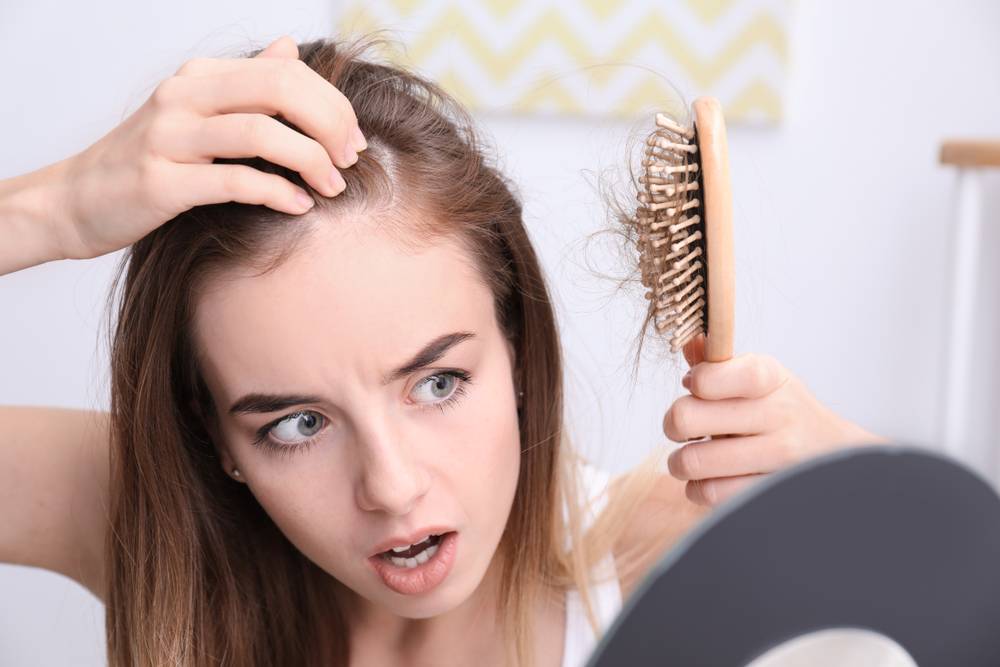
How should you react and when should you consult a professional?
When faced with worrying signs concerning the health of our hair or scalp, it is imperative to know how to react and when to seek professional expertise.
First, if someone experiences sudden and unexplained hair loss, increased shedding, or symptoms such as itching, lesions, or patches on their scalp, it is crucial to consult a doctor. These symptoms could be early signs of alopecia, alopecia areata, or even, in rare cases, lupus. Early intervention is essential for effective treatment and to minimize side effects.
Women, in particular, can experience hormonal changes at different stages of their lives, affecting the health of their hair. The presence of unusual signs during pregnancy, menopause, or after taking certain medications should prompt a medical consultation.
If a person is already receiving treatment for a particular condition, any changes to the scalp or hair should be reported to their doctor. Since some medications have known side effects, clinical monitoring allows for adjustments to the treatment if necessary.
Finally, a proactive approach is recommended. Being informed and attentive to changes in your body is essential. Research shows that patient education and awareness play a crucial role in the early detection and management of hair disorders.
We recommend these other pages:


