
How to use essential oils to relieve scalp irritation?
Scalp irritation often manifests as itching, dandruff, or even eczema. Among the products available to care for this delicate area, essential oils, extracted from trees such as tea tree or plants like lavender and rosemary, are increasingly popular for their beneficial properties. But how do you incorporate them into your hair care routine?
On this page, we'll explore how these oils can be incorporated into your hair care routine. We'll discuss the specific properties of certain oils like chamomile and peppermint, how to apply them to maximize their effect, and finally, the essential precautions to ensure the product's safety and effectiveness.
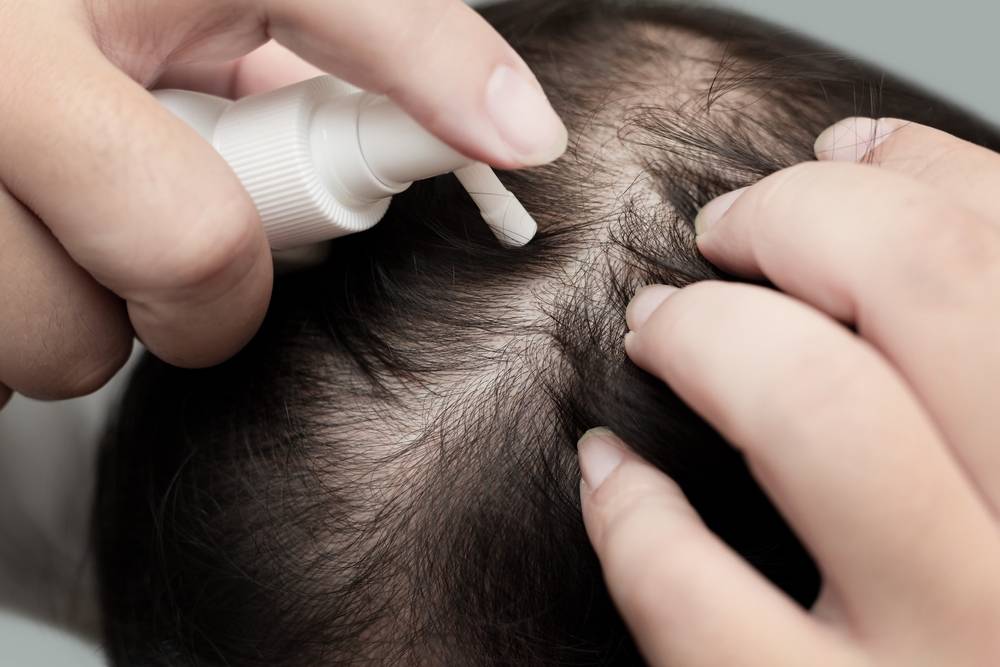
The general benefits of essential oils for skin and hair
Essential oils are true allies for skin and hair. The benefits of using them in skincare products are undeniable. Ylang-ylang, cedarwood, and chamomile are oils that deeply nourish the scalp while helping to soothe itching and other irritations.
Tea tree oil, extracted from the tree of the same name, is renowned for its antimicrobial properties , a valuable asset for combating dandruff and purifying the skin. By adding a few drops to a neutral shampoo, you can enjoy its benefits with every wash. Peppermint, meanwhile, has a refreshing and stimulating effect , ideal for revitalizing tired hair.
As for lavender, it is known to soothe itching and promote scalp health .
Essential oils also have the advantage of being easy to use. However, to get the most out of them, it's crucial to know how to use them correctly. For example, for direct application to the scalp, it's strongly recommended to dilute a few drops of essential oil in a tablespoon of carrier oil before applying it to the affected area.
Introducing the key essential oils for an irritated scalp
Essential oils, with their varied properties, are natural solutions for providing care and comfort to the scalp. Among them, four stand out in particular for treating an irritated scalp.
Tea tree oil , obtained from the leaves of the tea tree, is a must-have for anyone looking to purify their skin. It boasts impressive antimicrobial properties, useful for combating dandruff and other scalp problems. Adding a few drops of this oil to your neutral shampoo can transform your usual product into a therapeutic treatment.
Lavender , known for its soothing properties, is often recommended to calm itching. Its delicate fragrance, combined with its beneficial properties, makes it a wise choice for nourishing the scalp. A simple application, by diluting a few drops in a carrier oil, is enough to feel its effects.
Rosemary , for its part, stimulates blood circulation. This can strengthen hair roots while providing a refreshing effect. Using this essential oil in your hair care products promotes scalp health while preventing hair loss.
Finally, peppermint , rich in menthol, offers an immediate cooling sensation, perfect for soothing inflamed or irritated skin. Add a few drops to your shampoo bottle or mix it with organic water for direct application.
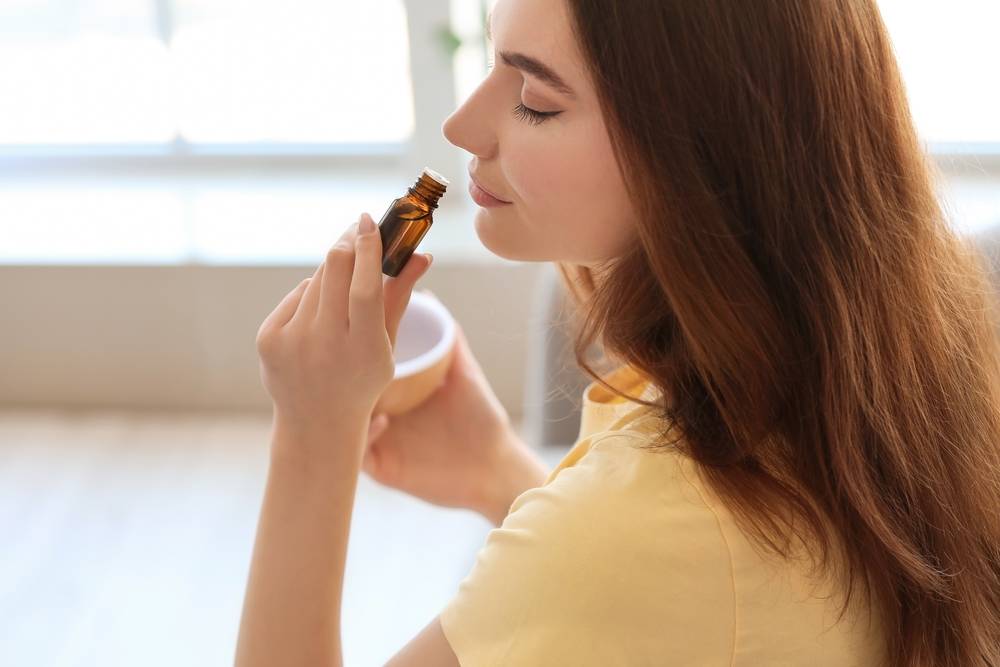
How to apply essential oils to the scalp?
The power of essential oils is undeniable, but proper application to the scalp is key to reaping all their benefits safely. So, how do you apply these plant-based concentrates to soothe and nourish the scalp?
First, it is rarely recommended to apply pure essential oil directly to the skin. These oils, due to their highly concentrated properties, can be too potent undiluted. For safe and effective application to the scalp, it is best to dilute a few drops of essential oil in a tablespoon of carrier oil, such as chamomile or palmarosa oil.
Another common approach is to add a few drops of essential oil directly to your shampoo. Whether it's lavender to soothe itching or tea tree to combat dandruff, pour the drops directly into the bottle and shake well before each use.
If you wish to prepare a soothing treatment for a particularly irritated area, mix oils such as cedarwood and rosemary with organic water. Gently apply this mixture to the scalp, massaging the area lightly. This method not only promotes the absorption of the oils but also stimulates blood circulation .
Finally, it is crucial to perform a skin test before using a new essential oil. Apply a diluted drop to a small area of skin and wait 24 hours to check for any irritation.
Precautions to take when using essential oils
The use of essential oils, despite their numerous benefits for hair and scalp, requires special care. These oils are powerful and concentrated extracts, and their improper use can cause irritation or even worsen existing scalp problems.
Also, pay attention to the amount used. While adding an extra drop of peppermint oil might seem harmless, it can significantly increase the intensity of the effect felt on the scalp. To avoid itching or other irritations, always follow the usage instructions .
People with underlying health conditions, such as eczema, should exercise caution. While some oils, like rosemary or ylang-ylang, may offer benefits, others can exacerbate symptoms. Therefore, it's essential to consult a healthcare professional before introducing any new product into your routine.
Always keep your essential oils out of reach of children and store them in a tightly closed bottle away from light. Furthermore, some oils, such as chamomile, can be photosensitizing, which means you should avoid sun exposure after applying them .
We recommend these other pages:


