
How to test your sensitivity before using a new hair treatment?
With a plethora of products available on the beauty market, choosing a hair treatment can be a challenge. Whether it's a shampoo, conditioner, oil, cream, or gel, each product promises to deliver volume, shine, and health to our hair. However, before succumbing to the promise of a revitalized scalp or perfectly defined curls, certain precautions should be taken . In particular, it's crucial to test for sensitivity.
Indeed, every skin and every head of hair reacts differently to the application of a new product. It would be unfortunate if that highly anticipated new hair mask, rich in proteins and natural oils, caused adverse reactions . To avoid itching, redness, or hair loss, understanding how to perform a sensitivity test is therefore essential.
Let's delve into the heart of this life-saving approach for all hair care enthusiasts.
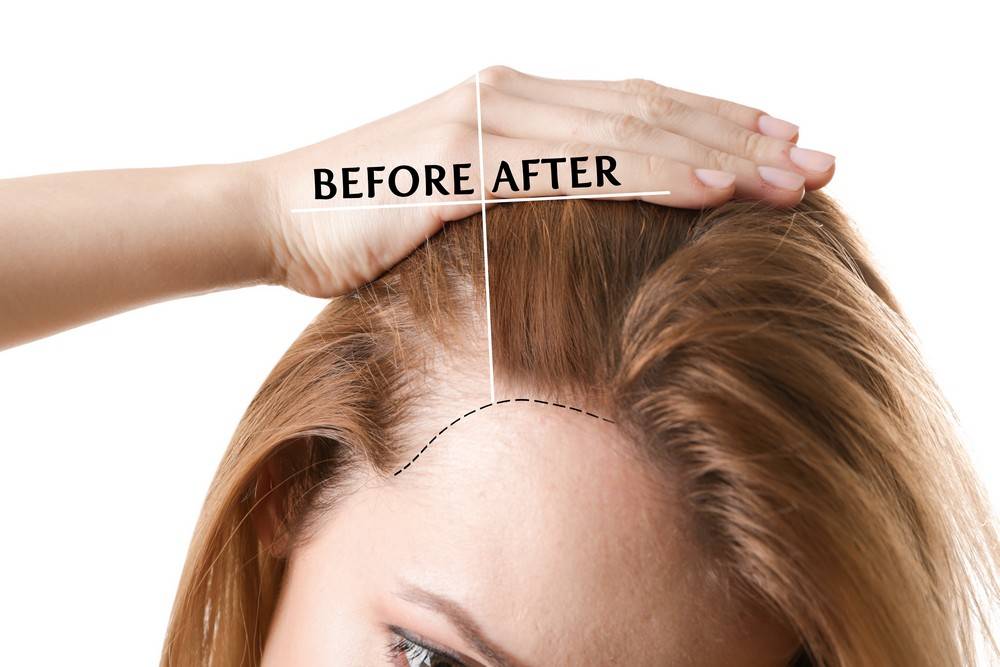
Understanding the risks associated with using new hair products
Before adding a new product to our hair care routine, it's essential to be aware of any potential risks. Understanding a product's benefits is just as important as understanding how it interacts with our scalp and hair.
Nature of hair products
The market is full of hair products of all kinds. Whether it's to increase volume, treat hair loss or simply moisturize, each product has a specific formula .
Ingredients, whether natural or chemical, play a role. Organic and natural products may be less harsh, but that doesn't mean they're suitable for everyone.
On the other hand, some products containing chemical ingredients may be more effective in treating specific problems like alopecia, but they can also be more irritating.
Possible side effects
Using a new product, whether it's shampoo, gel, or hair dye, is not without risk. Side effects can range from simple scalp irritation to a more severe allergic reaction.
It is therefore crucial to pay attention to your skin and hair after application. Certain signs such as redness, itching, or even increased hair loss should raise concern.
Risk-increasing factors
We are all unique, and what works for one person may not work for another. If you have a history of allergies or skin reactions, you may be more likely to react to certain ingredients. Additionally, using multiple products at the same time can increase the risks. Finally, improper application, such as leaving hair dye on longer than recommended, can also cause problems.
In short, each hair product offers a world of possibilities. However, as with everything, caution is advised. Before enjoying the benefits of a treatment, it's essential to take the time to test your hair's sensitivity to ensure its health and beauty.
The patch-test method: step by step
Applying a new hair product without first testing for sensitivity is risky. A patch test, also known as an epicutaneous test, is a commonly recommended method for assessing the skin's reaction to a specific product.
What is a patch test?
A patch test is a simple and effective method that involves applying a small amount of product to a discreet area of skin to monitor for any reactions. Most often, the inside of the elbow or the wrist are preferred areas for this type of test, as they are sensitive yet easily concealed.
How to perform the test?
First, make sure the chosen area is clean and dry . Then apply a small amount of product, whether it's a gel, cream, conditioner, or even shampoo, and cover the area with a bandage.
Leave on for 24 to 48 hours . It is essential during this period not to wet the area and to avoid any form of rubbing.
Interpretation of the results
After the recommended time, remove the dressing and observe. If the skin is red, irritated, swollen, or shows signs of a rash, it is best not to use the product .
However, the absence of a reaction does not guarantee that a reaction will not occur during regular use, but it does indicate that the product can be used with a higher degree of safety.
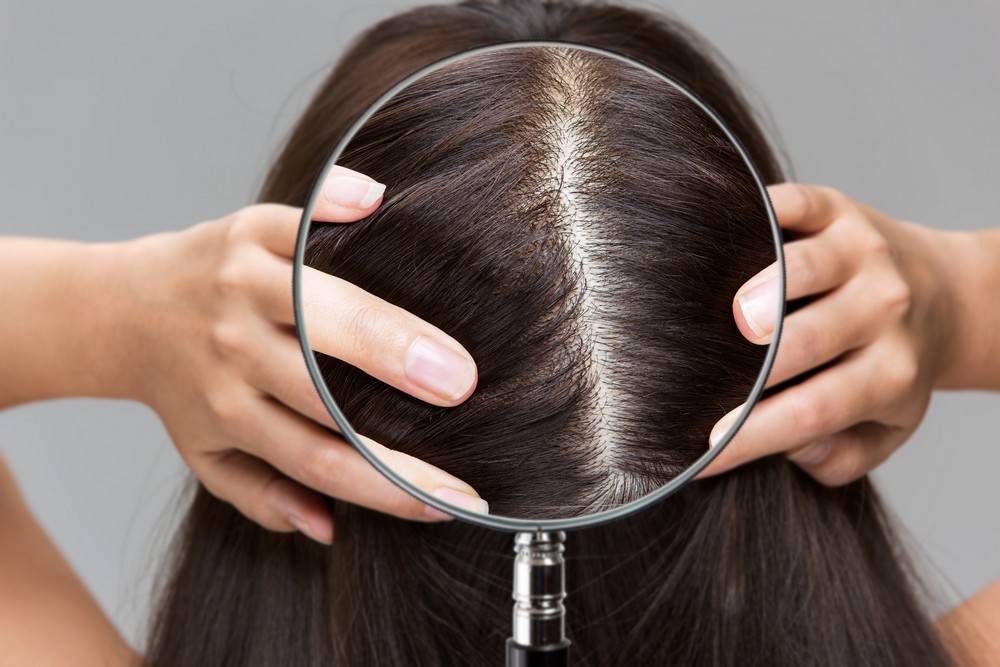
Knowing which ingredients are considered harmful and which are healthy alternatives
Sensitivity to a product doesn't always stem from the product as a whole, but often from one or more specific ingredients. Knowing about potentially irritating ingredients and healthy alternatives can help you make an informed choice.
Ingredients to watch out for
Several ingredients, although common in hair products, are often criticized for their adverse effects. Among these, sulfates , parabens, and certain preservatives can cause irritation or allergies.
Silicones, while not allergenic, can weigh down hair and clog scalp pores. Therefore, it is crucial to carefully read the labels before using any product.
Healthy alternatives
In response to growing consumer awareness, many products are highlighting their "sulfate-free," "paraben-free," or "organic" composition. Natural oils such as coconut, jojoba, or argan oil, plant-based proteins, and plant extracts are excellent alternatives to chemical ingredients.
These products, often enriched with ingredients of natural origin, have the advantage of treating the hair gently while respecting the skin barrier.
The importance of provenance
The origin of the ingredients is another important aspect to consider. A product may contain natural oils and extracts, but if they are treated with pesticides or herbicides , they can lose their beneficial properties and even become harmful. Choosing organic products is therefore a definite advantage.
In short, choosing a hair product should not be taken lightly. Researching, reading labels, and, above all, testing for sensitivity are all essential steps to ensure a safe hair treatment.
Common reactions and actions to take
Even after performing a patch test and selecting a product with a healthy ingredient list, it is possible that some people may experience unexpected reactions during prolonged use or when applying to the entire scalp.
Identify common symptoms
Skin reactions to hair products can vary in severity and type . The most common symptoms are itching, redness, burning, swelling, or even pimples on the scalp.
In rarer cases, hair loss can occur as a result of an allergic or irritant reaction. The application of a treatment can also lead to a change in hair color or volume.
What to do in case of a reaction?
The first thing to do if you experience a reaction is to immediately stop using the product in question. Wash your scalp thoroughly with lukewarm water to remove any residue.
If symptoms persist or worsen, it is essential to consult a doctor or dermatologist. They can give you advice tailored to your situation and may even prescribe specific treatment.
Prevention is key
To avoid any adverse reactions, it is always advisable to gradually change products and space out applications during the first uses.
Furthermore, make it a habit to apply the product to a small area before treating your entire head of hair. This will allow you to quickly identify any potential sensitivity.
Ultimately, taking care of your hair is a beauty ritual that many consumers consider essential. But before venturing into the use of a new hair product or treatment, it's crucial to test your sensitivity. The skin and scalp are natural barriers that can react unexpectedly to certain ingredients. Patch testing, carefully reading labels, and being aware of potentially harmful ingredients are all steps that shouldn't be overlooked. In the end, safety and health come first, even in the quest for dream hair.
We recommend these other pages:


