
Recognizing hair treatments free from sulfates, parabens, and harsh silicones
Choosing the right hair care products is never a trivial matter. With each wash, our hair is regularly exposed to products that, instead of nourishing it, can dry it out or damage it. Sulfates, parabens, and silicones are harsh ingredients and are at the heart of many debates concerning hair health. Understanding their effects on the scalp and hair fiber is therefore essential to ensuring the beauty and health of our hair.
Although the cosmetics industry offers an endless variety of shampoos and treatments, how can we discern those that are truly beneficial for our hair?
Understanding the role and effects of sulfates, parabens, and silicones on hair
Navigating the world of hair products requires some knowledge of the ingredients often listed on the back of our shampoos and conditioners. Understanding their impact on our hair is essential for making informed choices.
Sulfates: what are they and what are they used for?
Sulfates, the best known of which is sodium sulfate, are primarily used in shampoos for their foaming properties . They help to remove dirt and oil residue from our hair.
However, for some hair types, particularly dry or curly hair, this effectiveness can prove excessive, depriving the scalp and hair of their essential natural oils.
Furthermore, regular use of products containing sulfates can alter keratin, a key component of the hair fiber, thus making hair more vulnerable to external aggressions.
Parabens: controversial preservatives
Found in many cosmetic products, parabens act as preservatives to extend the shelf life of shampoos and conditioners. While their role is crucial in preventing bacterial growth, their presence is not without controversy.
Indeed, some research suggests a possible endocrine disruption due to these ingredients, thus impacting the health of the skin and scalp.
Silicones: a deceptive softness
Found in many shampoos and conditioners, silicones give hair a soft, smooth feel. However, this softness can be deceptive. While silicones provide an instant feeling of softness , they can also coat the hair with an impermeable layer, preventing natural oils and treatments from penetrating the hair shaft. In the long run, this can lead to hair that feels suffocated and lacks its natural shine.
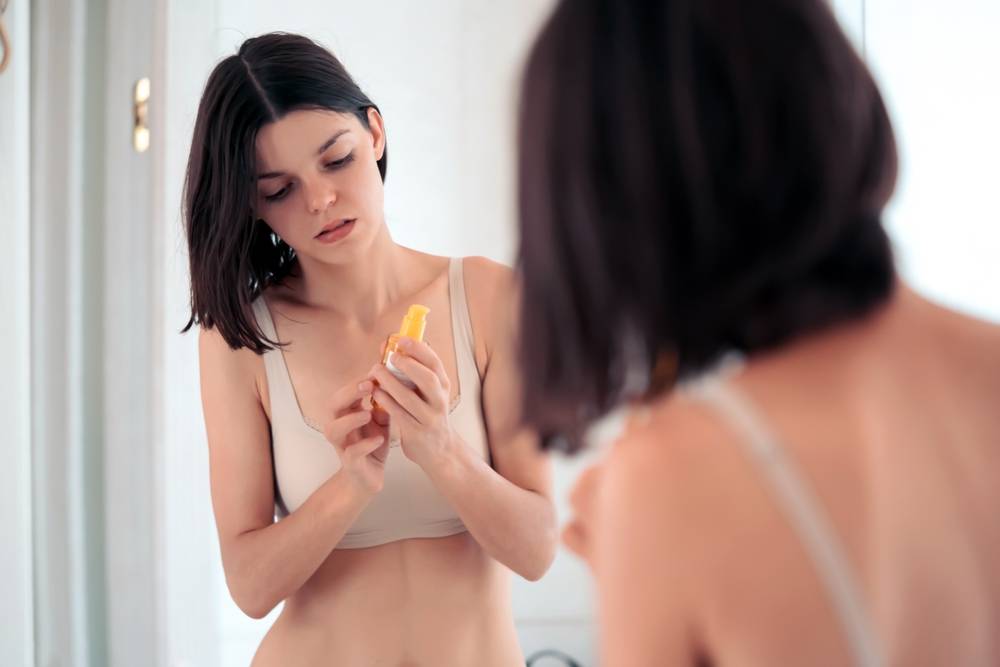
Identify the presence of sulfates, parabens, and silicones in your hair products.
Familiarizing yourself with the ingredients in our products is the first step to ensuring a healthy hair care routine. However, you often need to decipher the labels to achieve this.
Learn how to read the labels on your shampoos and hair care products
The ingredients in cosmetic products, including shampoos and conditioners, are generally listed in descending order of concentration. Thus, if a sulfate, for example sodium sulfate, is mentioned among the first ingredients, this indicates a high concentration .
Silicones, on the other hand, are often identifiable by their endings in "-cone" or "-siloxane". As for parabens, they are often preceded by prefixes such as "methyl-", "ethyl-", "propyl-" or "butyl-".
Misleading words and symbols to avoid
The label "natural" or "organic" on a product does not necessarily guarantee the absence of sulfates, parabens, or silicones. It is therefore crucial not to be misled by marketing and to always check the ingredient list.
Similarly, a shampoo that promotes "natural beauty" or "intense hydration" may still contain components that are aggressive to the scalp or hair fiber.
How to take care of your hair without using harsh products?
Avoiding sulfates, parabens and silicones may seem complex, but with the right knowledge and a targeted approach, it is entirely possible to maintain healthy hair.
Natural alternatives to traditional shampoos
Turning to natural alternatives can be an excellent solution for those who want to eliminate chemicals from their hair care routine. Coconut oil , for example, is known for its moisturizing properties, while aloe vera provides softness and hydration without weighing hair down.
Shampoos made with natural ingredients, although less foamy in the absence of sulfates, effectively cleanse the scalp while respecting the natural barrier of the hair.
The benefits of natural oil-based skincare
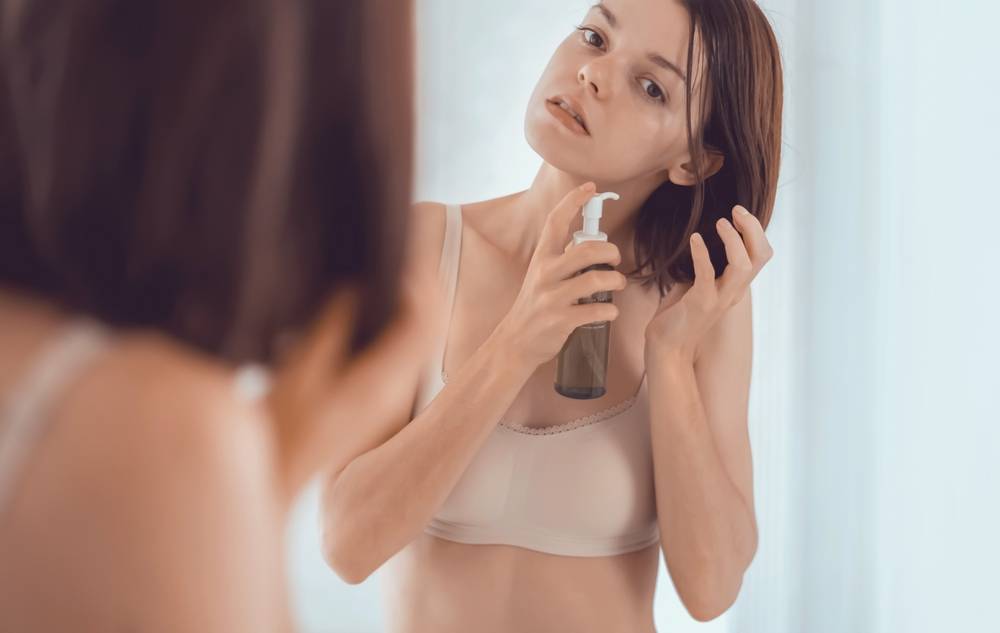
Oils, particularly coconut, jojoba, or argan oil, can be a great alternative to conditioners and masks loaded with silicones. They deeply nourish , adding shine and softness to dry and damaged hair without weighing it down.
Moreover, unlike silicones which evaporate over time, oils continue to nourish the hair fiber and scalp between washes.
Adopt a routine adapted to your hair type
Whether you have curly, frizzy, straight, or wavy hair, each hair type has its own specific needs. A treatment rich in oils can be ideal for dry, curly hair, but will weigh down fine, straight hair. Hence the importance of understanding your hair type and choosing suitable products.
The effects of harsh ingredients on hair health
Hair reflects our health and well-being. Understanding the effects of the ingredients in our hair products is essential for making the best possible choices.
The impact of sulfates on the scalp and hair fiber
Sulfates, often found in shampoos, are known for their cleansing power. However, their action can be too harsh for some hair and scalp types.
Regular use of products containing sulfates can dry out the scalp, cause itching, and even disrupt the skin's natural balance. As for the hair fiber itself, it can become more brittle, less soft, and lose its shine.
Silicones: a deceptive beauty
Silicones, often found in conditioners and masks, give hair a smoothing and shiny effect . However, they are occlusive components that coat the hair fiber with an impermeable film. Over time, this film can prevent hair from breathing and absorbing nourishing treatments, thus making hair drier and less healthy.
Parabens: Preservatives under surveillance
Used as preservatives in many cosmetic products, parabens can pose health risks . Although their impact on the scalp and hair is less direct than that of sulfates or silicones, their presence in shampoos and other hair products is often criticized for other reasons related to general health.
Ultimately, hair, a true asset of beauty, deserves special attention. Choosing, nourishing, and caring for it with the right products is essential to guarantee its long-term beauty and health. By taking the time to understand the ingredients in shampoos, conditioners, and other hair care products, everyone can make informed choices and give their hair the very best. Natural alternatives, free of sulfates, silicones, and parabens, are excellent options for anyone who wants to prioritize a healthy and respectful approach to their scalp and hair fiber. Taking care of your hair is also taking care of yourself.
We recommend these other pages:


