How do water quality and limescale affect hair health?
Water is an essential part of our daily lives. But beyond our consumption, it also plays a key role in our beauty routine, particularly in hair care . Indeed, every day we expose our hair to tap water to clean it, but are we truly aware of its quality? After all, limescale and the concentration of minerals, such as copper and iron, can affect our hair health. Furthermore, these elements interact with the products we use, like shampoos, oils, and masks, influencing their effectiveness and sometimes even negating their benefits.
On this page, we'll explore how water quality influences the health of our hair and its interactions with hair products. We'll also give you tips to optimize your hair care routine.
The composition of water and its variations
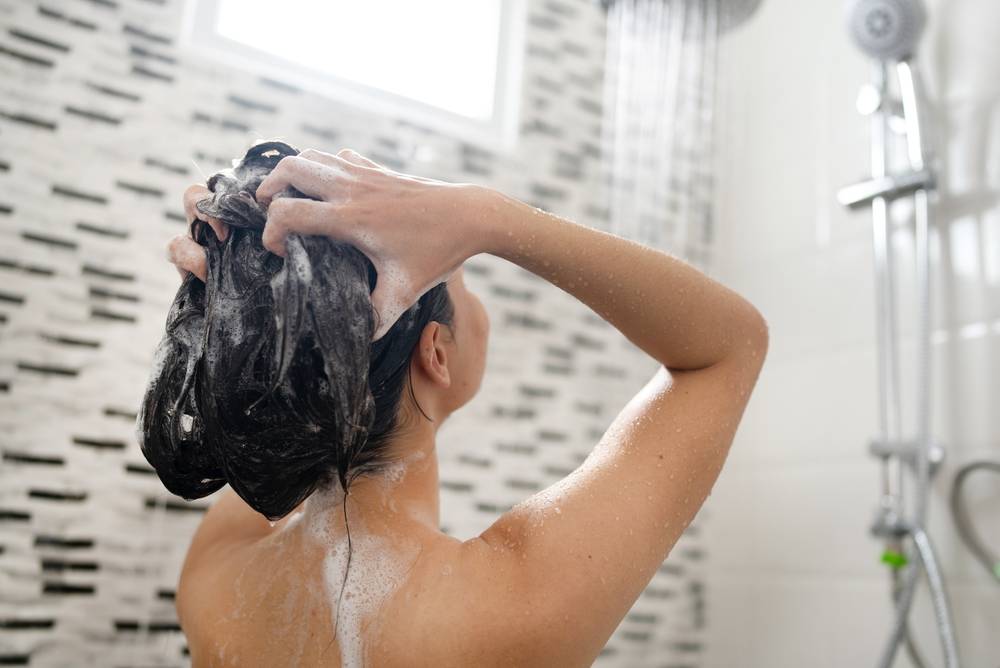
The composition of water, often overlooked, directly influences the effect of the products we apply to our hair. When you turn on the tap for a shower, the water that comes out carries with it a varying concentration of minerals , which depends on its original environment and the treatments it has undergone.
One thing is certain: water hardness, measured by the concentration of minerals such as calcium and magnesium, is often synonymous with the presence of limescale. However, limescale isn't the only element to consider. Other minerals, like copper and iron, naturally present in some waters, can also have noticeable effects on hair. Let's not forget that the water we use for our hair care products can also contain sodium, especially if it has been softened.
It's important to note that tap water quality varies depending on the treatment it undergoes before reaching us. Even if it's treated to be potable, some ions or minerals may still be present, impacting our hair health. This is especially important because some shampoos and other products can react differently depending on this mineral composition.
The impact of limescale on hair health
As you may have guessed, our hair health is deeply influenced by the quality of the water we use to wash our hair. One of the minerals often mentioned is limescale . But what are its actual effects on our hair?
Composed primarily of calcium and magnesium, limescale can bind to the keratin proteins that form the structure of our hair. This interaction makes the cuticle, the outermost layer of the hair, rougher, leading to dryness and moisture loss. Furthermore, the regular use of unsuitable shampoos or other hair products can cause a buildup of residue, leaving hair dull and difficult to style.
For those looking to maintain their hair color or who have curls, the presence of limescale in the water can also be a real challenge. The drying effect of limescale on hair can indeed alter curls, color, and shine. Curly hair, which is particularly sensitive to moisture, can also become even drier and more brittle in the presence of hard water rich in limescale.
Even the scalp is not spared, since hard water, due to limescale, can disrupt the skin's natural balance, leading to problems such as itching, dandruff, or even increased sensitivity.
How can you protect yourself from risks and preserve your hair?
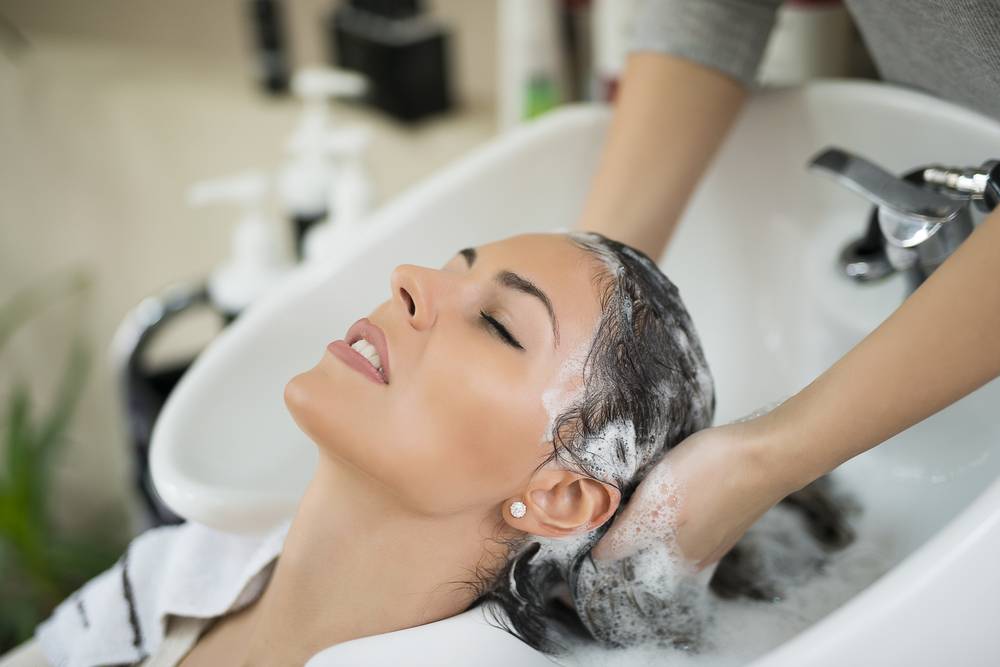
Knowing the composition of the water that comes out of our taps isn't as simple as it seems. While it's possible to get information from the relevant authorities, there are significant differences between regions. Consequently, establishing a suitable hair care routine can be challenging. Nevertheless, some good practices can help you maximize your chances of maintaining the beauty of your hair.
Maintaining good hydration
First, hydration is crucial , as hair exposed to hard water often becomes dry. Incorporating natural oils and moisturizing masks into your routine can help restore hair's vitality and shine. Oil, for example, can form a protective barrier on the hair, preventing moisture loss caused by hard water.
Use a chelating shampoo
Using a chelating shampoo can also be beneficial. These products are designed to remove minerals like calcium, iron, and copper that accumulate in the hair. However, since these shampoos can be drying, it's advisable to combine them with moisturizing treatments.
Choose no-rinse products
Curly and frizzy hair, which is particularly sensitive to moisture, could benefit from leave-in treatments to maintain hydration throughout the day. Additionally, avoiding direct heat sources, such as frequent straightening, can minimize the drying effects of hard water.
Lower the water temperature
Another important tip: reduce the water temperature when showering. Hot water tends to open the cuticles , allowing limescale and other minerals to penetrate the hair shaft more easily. By finishing your shower with lukewarm or cold water, you can help protect the cuticle and reduce the impact of these minerals.
Install a water softener
While softening tap water is an option, using a water softener can offer a permanent solution to the effects of limescale. However, it's essential to pay attention to the sodium concentration of the softened water, as this can also affect hair health.
Buy the right products
Finally, for those looking to preserve their hair color, using specific products for colored hair obviously helps to protect the color against the altering effects of minerals.
We recommend these other pages: