
Psoriasis is a chronic skin condition that affects many patients worldwide. Primarily characterized by red, scaly patches on the skin, this condition can significantly impact the quality of life of those affected. Fortunately, various treatments have emerged to combat this disease. Topical medications, such as corticosteroids, vitamin D analogs like calcipotriol, and other products like tazarotene or tar, are commonly prescribed by dermatologists. But how do these medications work on psoriatic lesions of the scalp?
This page will delve into the science behind their effectiveness, examining skin cell inflammation, potential side effects, and the importance of correct application.
Understanding scalp psoriasis
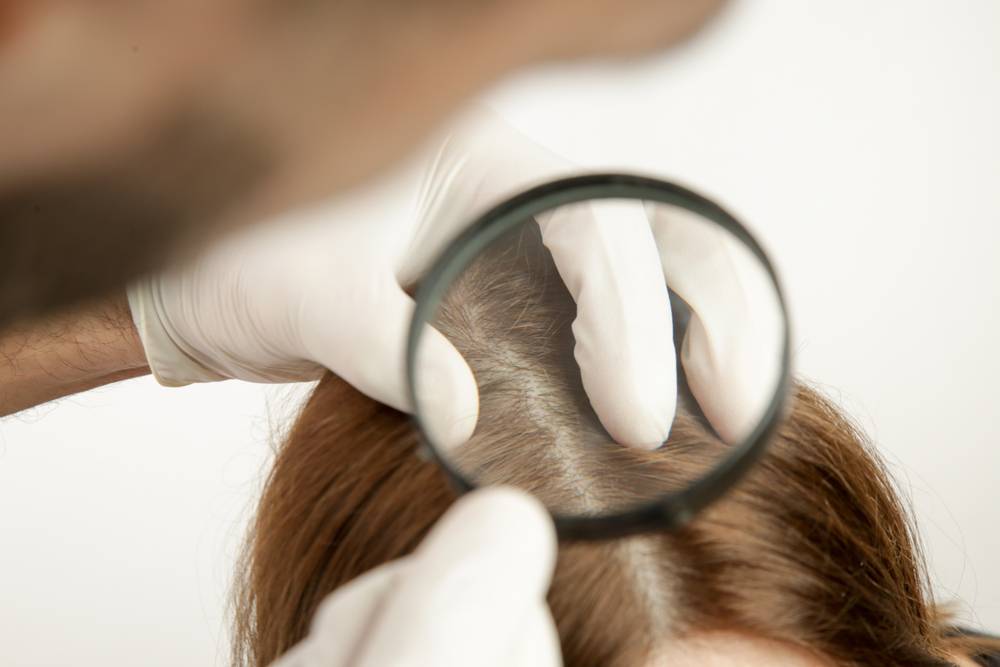
Psoriasis is a chronic skin condition characterized by skin inflammation and the formation of red, scaly plaques. While this condition can appear on various areas of the body, scalp psoriasis is one of the most common types, significantly impacting patients' quality of life.
The scalp, like other areas of the skin, is composed of different layers of cells. Psoriasis results from accelerated cell turnover . Skin cells multiply at a faster rate than normal, leading to the formation of psoriatic lesions. These lesions or plaques can cause itching, pain, and significant discomfort.
Several factors can contribute to the onset or worsening of scalp psoriasis. Among them, genetics, infections, certain medications, or even stress can play a key role.
Although phototherapy is sometimes used to treat psoriasis, topical medications remain one of the most common approaches . These products are applied directly to the skin and include corticosteroids, vitamin D analogs such as calcipotriol, tazarotene, and tar-based formulations. Regular and correct use of these medications can help control inflammation, reduce symptoms, and improve patients' quality of life . However, as with any medication, it is essential to be aware of potential side effects and to consult a dermatologist regularly to ensure optimal management of the condition.
Principles of topical treatments for psoriasis
Managing psoriasis, especially when it affects the scalp, often requires specific treatments. Among the various forms of treatment for this skin condition, topical medications play a leading role. Applied directly to the skin, they target the affected areas, providing targeted care.
Topical medications work in various ways, depending on their type and active ingredients. Corticosteroids, for example, are powerful anti-inflammatory agents . When applied to the skin, they reduce inflammation of psoriatic lesions, thus diminishing the red patches and scales that are characteristic of this condition.
Vitamin D analogs, such as calcipotriol, play a different role. They modulate the growth and differentiation of skin cells, helping to regulate the excessive cell turnover characteristic of psoriasis. Tazarotene, a vitamin A derivative, and tar-based products also target cellular processes, but through distinct mechanisms.
Regular application of these medications is essential for effective results. However, each patient is unique, and what works for one may not work for another. Furthermore, the quality and effectiveness of these treatments can vary depending on the affected areas of the scalp and the type of psoriasis diagnosed.
Patients should be aware of the potential side effects associated with the use of these topical medications. While generally well-tolerated when used as directed, some may cause adverse effects. Regular consultations with a dermatologist are therefore essential to ensure the treatment is appropriate and that the patient does not experience any unexpected side effects.
The mechanisms of action of topical medications for scalp psoriasis
Corticosteroids, widely used in the topical treatment of psoriasis, work primarily by reducing inflammation. They inhibit the release of pro-inflammatory substances and modulate the activity of immune cells , thus limiting the inflammatory response that contributes to the formation of psoriatic plaques. As a result, the skin becomes less red and the scales diminish.
Vitamin D analogues, such as calcipotriol, influence the skin cell lifecycle. By regulating cell turnover, these medications help slow the excessive production of skin cells, thereby reducing skin thickening and plaque formation.
Tazarotene, for its part, is a derivative of vitamin A. Its mechanism of action is based on modulating the growth and differentiation of skin cells. This helps to normalize the rapid cell turnover associated with psoriasis.
Finally, tar-based treatments have anti-inflammatory and keratolytic properties . They help reduce inflammation and eliminate scales by acting on the upper layer of the skin.
While these topical medications are effective for many patients, it is crucial to note that their use must be tailored to the type of psoriasis and the extent of the affected areas. Some patients may experience side effects that vary depending on the medication used. Therefore, regular consultations with a dermatologist are essential to ensure that the treatment is well-tolerated and provides the desired benefits to the patient's quality of life.
Recommendations for the application and monitoring of topical treatments
Correct application and adherence to topical medications are essential for effectively treating scalp psoriasis. These recommendations aim to help patients maximize the benefits of their treatment while minimizing potential side effects.
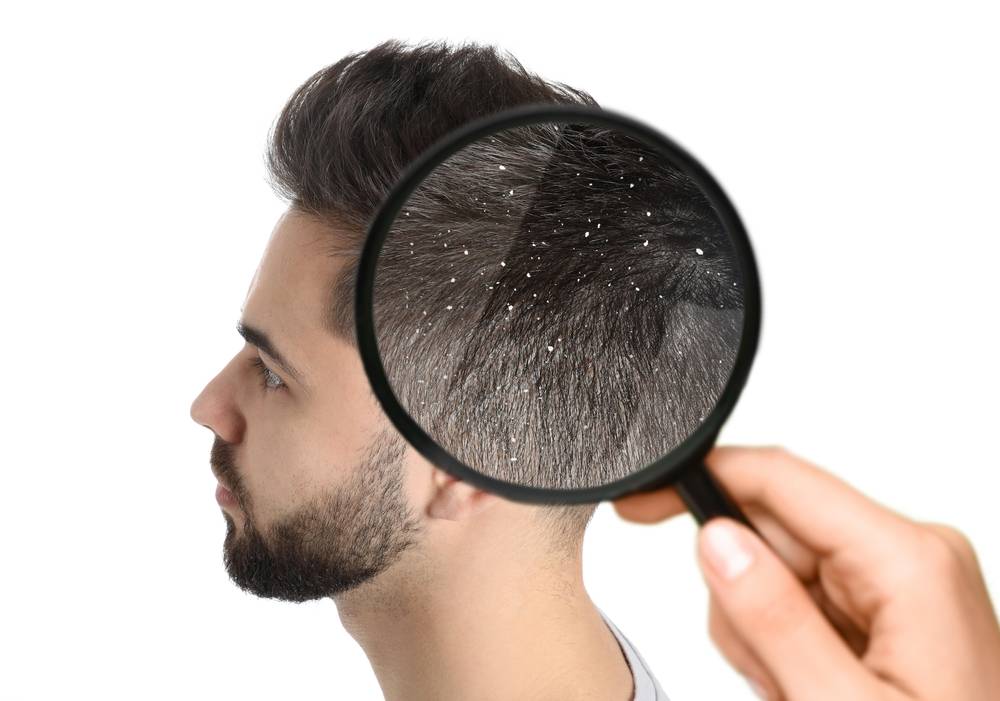
The use of topical medications generally requires direct application to the psoriatic plaques. The product should be applied evenly to the affected areas , always respecting the dosage and frequency indicated by the doctor or on the prescription. In the case of the scalp, it may be helpful to part the hair to ensure complete application to the lesions.
The effectiveness of topical medications can be improved if the scalp is clean and free of scales. Specific products, such as those containing tar, can help remove these scales and prepare the skin for better absorption of the treatment.
Considering side effects is essential. Although topical medications are traditionally well-tolerated, some patients may experience adverse effects such as redness, itching, or a burning sensation. In such cases, it is recommended to consult a dermatologist to adjust the treatment or consider other options.
Furthermore, some topical treatments, particularly those containing corticosteroids, should not be used for prolonged periods without medical supervision . Excessive use can lead to more serious side effects, especially thinning of the skin or skin reactions.
Topical medications can also interact with other forms of psoriasis treatment, such as phototherapy. Therefore, patients are encouraged to inform their doctor about all the medications and products they are using.
We recommend these other pages: