
How to choose a hair treatment that is suitable for your scalp type?
Every individual has a unique hair texture , whether it's kinky, colored, with well-defined curls, or slightly frizzy ends. Beyond these visible differences, the scalp, like the skin, has its own unique characteristics that influence hair health. Did you know, for example, that the choice of a shampoo or hair mask can largely depend on the type of scalp and not just the hair type? Hair loss, excess sebum, or even dry and damaged hair are often the result of an unsuitable hair care routine . So, how do you choose the right product, the ideal treatment, or even the most suitable shampoo for voluminous hair and optimal hair health?
On this page, we will delve into the heart of the matter, examining how to determine your scalp type, understanding common mistakes in product selection, and offering tailored care advice for each type.
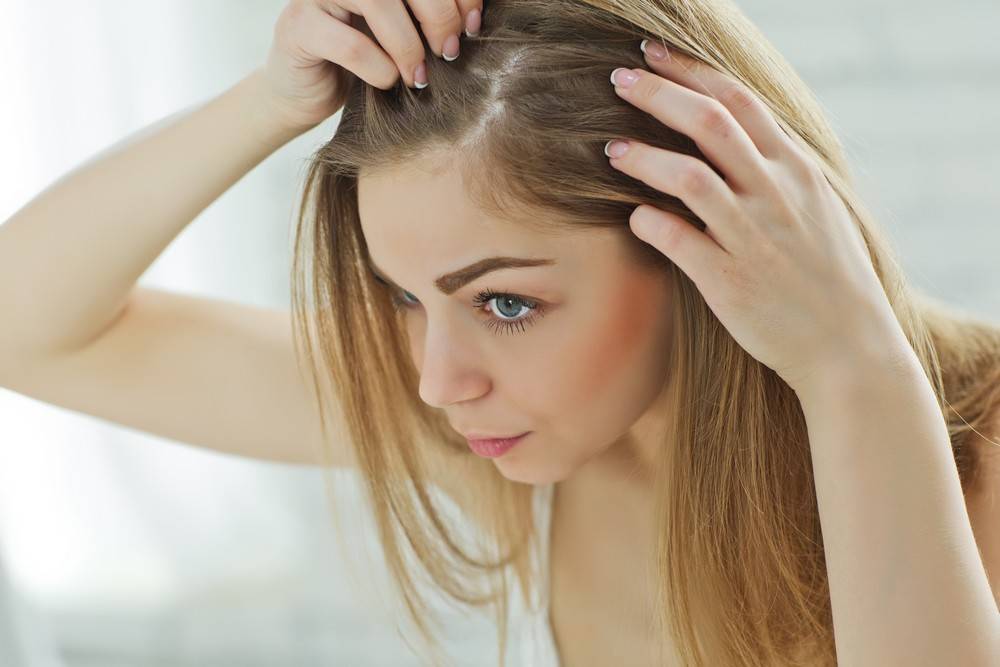
Understanding the different types of scalps
Understanding your scalp type is a crucial step in choosing effective hair care products. Curly hair won't have the same needs as hair with soft curls, and similarly, an oily scalp will require a different routine than a dry scalp.
To begin with, a dry scalp often manifests as peeling skin, itching, and a feeling of tightness . Hair, which is naturally rather dry, will benefit from oils like shea butter for optimal hydration. Using gentle shampoos, preferably organic, can help restore balance, thus preventing hair loss or premature shedding.
Conversely, an oily scalp indicates excessive sebum production. This oily texture can weigh down the hair, especially at the roots, thus reducing its volume. Frequent use of shampoos formulated for this specific scalp type, or even a suitable hair mask once a week, can regulate sebum production.
A sensitive scalp, on the other hand, is more delicate. Any change in hair care routine, an unsuitable hair color, or excessive use of chemicals can cause irritation . Gentle, water-rich treatments, free of harsh agents, are recommended to maintain optimal scalp health for this type of scalp.
Common mistakes in product selection
Navigating the aisles of hair care products can be a challenge in itself. Shampoos, serums, and masks promise the moon and the stars, but it's easy to make mistakes when choosing these products, especially since every scalp has a unique texture and specific needs.
One of the most common mistakes is choosing products suited to the visible nature of the hair , such as curls, color-treated hair, or kinky hair, without considering the scalp type. For example, hair with perfectly defined curls may have a dry scalp, requiring moisturizing treatments like shea butter, rather than products specifically formulated for curls.
Excessive use of shampoos containing sulfates can irritate a sensitive scalp, causing hair loss and shedding. Furthermore, choosing the wrong shampoo can disrupt sebum production, resulting in hair that is either too oily or too dry.
We often tend to use a multitude of products in our routine , thinking that the more we use, the better. However, accumulating products, especially if they aren't organic or natural, can suffocate the scalp, reduce hair volume, and contribute to hair loss. Hydration, essential for healthy hair, doesn't mean piling on oils and serums either.
Furthermore, failing to consider external factors such as hair color, tap water, and even the frequency of washing can lead to an ineffective hair care routine.
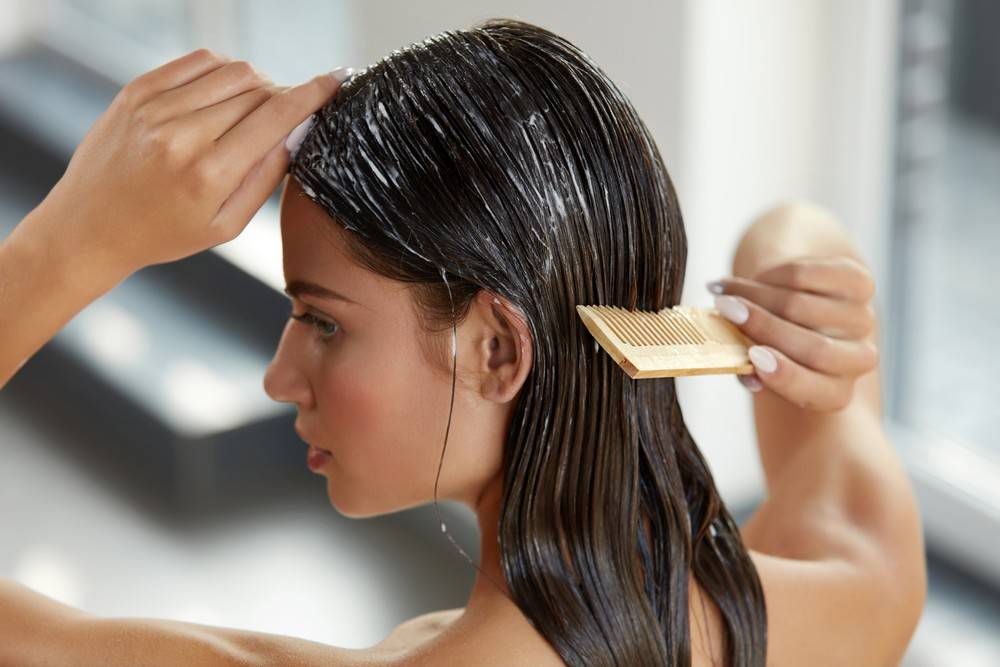
How to select a suitable treatment?
The key to radiant hair lies in choosing a treatment suited to both hair texture and scalp type. But how do you wisely select the right products from the myriad of options available on the market?
To begin, determine the exact nature of your scalp . If it tends to produce excess sebum, it's advisable to opt for shampoos designed to regulate this production. On the other hand, for dry scalps, a moisturizing shampoo enriched with oils, such as shea butter, will provide the necessary care.
Analyzing hair texture is equally crucial. Curly hair, for example, can benefit from nourishing masks for the ends and oils to ensure deep hydration . Colored hair, which has been dyed, needs specific care to preserve its shine and prevent hair loss.
Those with curls or frizz should opt for products that define and hydrate without weighing hair down .
The importance of the ingredients cannot be overlooked either. Organic products, free from harsh chemicals, respect the delicate nature of the scalp and hair. Furthermore, treatments based on natural ingredients are often more beneficial in the long run.
Patience is also crucial. Even a perfectly tailored hair treatment won't show results overnight. Adopting a routine and sticking to it for several weeks will allow you to see noticeable improvements.
Finally, keep in mind that every individual is unique . What works for one person with voluminous curls may not work for another. Observe your scalp and any changes in your hair texture, and adjust your routine accordingly.
Haircare tips for each scalp type
The beauty and health of your hair depend not only on choosing the right hair treatment, but also on daily care. Each scalp type requires a specific routine to maintain its balance.
For oily scalps
Oily scalps produce excess sebum, which can weigh down the hair . A gentle shampoo, designed to regulate this production, is therefore recommended. The use of lightweight serums and non-comedogenic oils can also help balance the scalp without clogging pores.
For dry scalps
A lack of sebum requires deep hydration. Moisturizing shampoos, enriched with shea butter or other natural oils, are perfect for nourishing the skin. Nourishing masks, applied once a week, can provide the hydration that dry hair and split ends need.
For sensitive scalps
Opt for gentle products, preferably organic, without harsh perfumes or dyes . Choosing a shampoo made with natural and soothing ingredients, such as aloe vera, can also calm irritation.
We recommend these other pages:
- What are the different hair types for which treatment is appropriate?
- Hair treatment: what are the benefits of specific shampoos and conditioners?
- How to use masks for a deep hair treatment?
- Why include hair oils in your hair treatment routine?
- Hair care: how to adapt washing to scalp type?
- Hair treatment and hydration: what are the benefits for the scalp?
- How important is pH balance for hair treatment?


