
How specific hair treatments work on scalp irritations
The importance of a healthy scalp cannot be underestimated. It is the foundation upon which strong, shiny hair grows, and its well-being directly influences hair health. Many people experience problems such as itching, dandruff, and other scalp discomforts.
These symptoms, often linked to diseases such as seborrheic dermatitis, psoriasis, or even simple dryness, can impact not only the beauty of the hair , but also daily well-being.
Fortunately, with the right treatment , these problems can often be managed, or even completely eliminated. Understanding how these specific treatments work and how they interact with the scalp and hair is crucial for achieving the best results.
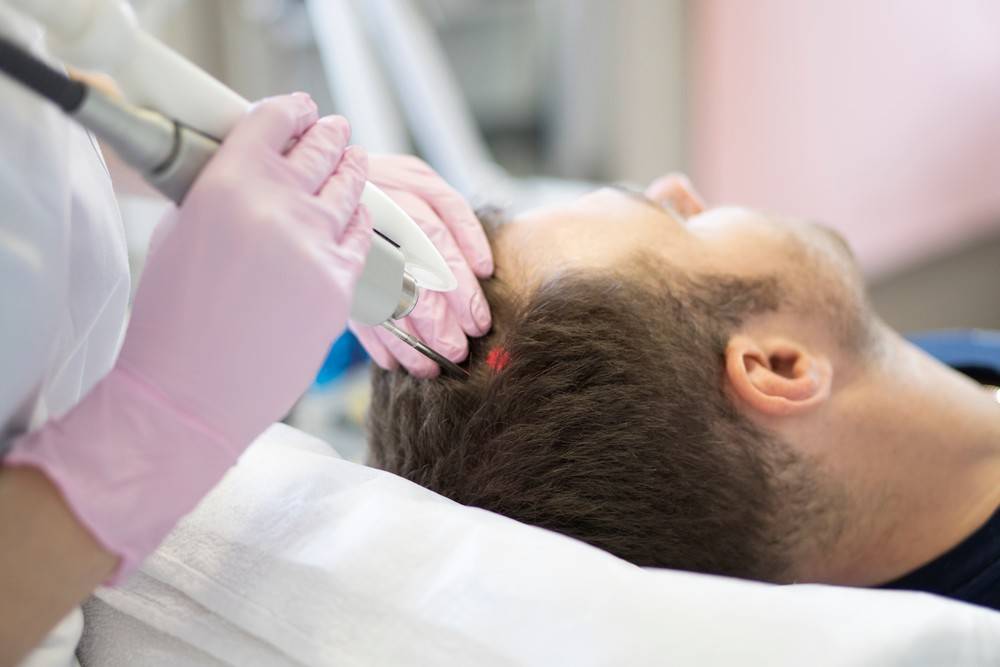
Understanding the causes and symptoms of scalp irritation
Scalp irritations are a common concern, and to determine the remedy, it is essential to identify the cause.
Common causes of irritation
The scalp, like the rest of our skin, is susceptible to various conditions. Itching and dandruff are often the first visible signs of an underlying problem.
Sebum, the natural oil produced by our skin, can sometimes be produced in excess, causing conditions like seborrheic dermatitis. Furthermore, diseases such as psoriasis can lead to the formation of plaques and scales on the scalp.
The different symptoms
Itching, hair loss (alopecia), redness, or even the appearance of patches are all symptoms of an irritated scalp . Dandruff, those small white flakes that can sometimes be seen, is often a sign of skin cells renewing themselves more rapidly than normal. Psoriasis , on the other hand, manifests as thick plaques, often accompanied by intense itching.
The impact of stress and other environmental factors
It's worth noting that stress can directly influence the condition of the scalp. High stress levels can worsen conditions like psoriasis or dermatitis. Furthermore, using unsuitable products, improper rinsing, or very hard water can also contribute to scalp irritation. Therefore, it's essential to consider these external factors when trying to treat and prevent irritation.
The role of specific treatments in managing irritations
When the scalp is in distress, it is essential to turn to suitable products and treatments. These specific treatments have been formulated to effectively target and treat the symptoms.
The effectiveness of shampoos and specific shampoos
Shampoos and conditioners specifically designed to treat scalp irritations contain active ingredients that target the symptoms of common conditions.
For example, a treatment for seborrheic dermatitis will contain agents that regulate sebum production, while also soothing and relieving itching. For people with psoriasis, shampoos with gentle exfoliating properties can help reduce plaques and scales.
The importance of the origin of the ingredients
Products made with natural ingredients, such as oil, are often recommended to soothe the scalp. These oils can help nourish the skin, maintain its balance, and strengthen the skin barrier.
However, it is essential to check product labels to ensure their origin and purity. Sometimes, certain natural ingredients, such as some essential oils, can cause further irritation, especially if the skin is already sensitive.
Consultation with a doctor or dermatologist
Although many treatments are available over the counter, it's always a good idea to consult a doctor or dermatologist if you experience persistent or severe symptoms. These professionals can recommend more suitable treatments or complementary care, and they can assess the effectiveness of the products you're currently using.
Common mistakes to avoid when treating irritations
While trying to soothe the scalp, it's possible to make mistakes that can worsen the situation. It's vital to recognize and avoid them.
Overuse of products
When faced with itching or dandruff, the natural reaction is often to increase the frequency of treatment use. However, this can sometimes further dry out the scalp or irritate the skin, thus worsening the symptoms. It is essential to follow the usage instructions on the product packaging or those provided by a dermatologist.
Neglecting rinsing
Inadequate rinsing can leave product residue on the scalp. This residue can cause irritation and prevent the hair and scalp from breathing properly. Therefore, it is crucial to rinse hair thoroughly with clean water after each shampoo or treatment.
Choosing unsuitable products
Using products that are too harsh or unsuitable can worsen symptoms. It is therefore essential to choose products specifically designed for sensitive or irritated scalps, and to avoid shampoos containing potentially irritating ingredients, such as certain perfumes, alcohols, or preservatives .
Ignoring your skin's signals
The skin and scalp often communicate through signals. If, after applying a product, you experience burning or increased irritation, it is essential to stop using it and consult a healthcare professional.
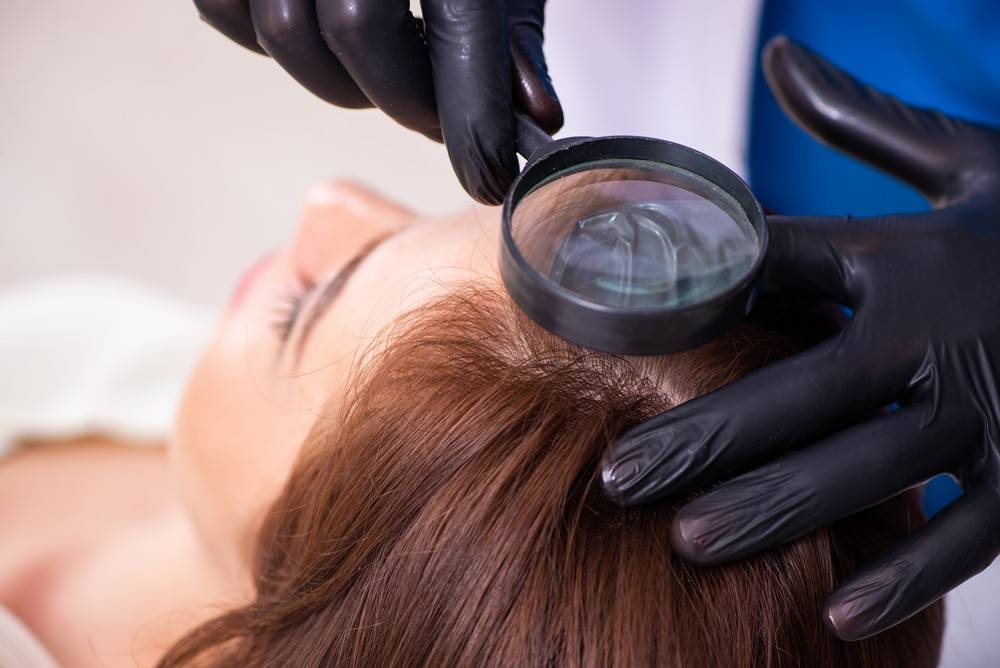
Prevention is better than cure: tips for a healthy scalp
Maintaining scalp health is crucial. Prevention is the best strategy to avoid irritation and associated complications.
Sebum regulation
Excess sebum can cause itching, dandruff, and contribute to seborrheic dermatitis. To regulate sebum production, it is advisable to space out shampoos , allowing the scalp to self-regulate. The use of gentle shampoos is also recommended.
Avoid stressors
Stress is often underestimated as a contributing factor to scalp symptoms. Effective stress management, through meditation, exercise, or other techniques, can help prevent flare-ups of eczema, psoriasis, or other conditions.
Good hair hygiene practices
It is essential to rinse your hair thoroughly after each shampoo to remove all product residue. Furthermore, avoiding excessively hot water and using lukewarm water when washing can reduce the risk of irritation.
Alopecia and hair loss
If you notice abnormal hair loss, it is essential to consult a doctor. Appropriate treatments can be prescribed, and advice can be given to prevent the progression of alopecia.
Natural care
Many natural ingredients, such as certain oils, can soothe and nourish the scalp. Regular application of oils like aloe vera can hydrate and soothe irritation. However, it is crucial to perform a patch test before any application to avoid potential allergies.
In conclusion, the scalp is a delicate area of the body that deserves special attention. Irritations, while common, can cause significant discomfort. Fortunately, with a clear understanding of the causes and appropriate treatments, it is possible to restore a healthy scalp. By choosing gentle products specifically designed to treat irritations and following a suitable care routine, the scalp can regain its balance. If symptoms persist, it is always wise to consult a healthcare professional for personalized advice and appropriate treatment.
We recommend these other pages:
- What are the different types of hair treatments for scalp irritation?
- Which natural active ingredients should you choose for a soothing treatment for scalp irritations?
- Hair treatments for scalp irritations: are they suitable for all hair types?
- How to establish a skincare routine adapted to scalp irritations?
- How effective are dietary supplements in treating scalp irritations?


